
What's inside
What's inside
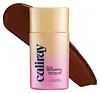 Key Ingredients
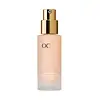
Benefits
Concerns
Ingredients Side-by-side
Water
Skin ConditioningDicaprylyl Ether
Emollient
Silica
Abrasive


Undecane
EmollientCaprylic/Capric Triglyceride
Masking

Isododecane
EmollientZinc Stearate
Cosmetic ColorantGlycerin
Humectant
Sodium Chloride
MaskingPropanediol
Solvent
Tridecane
Perfuming

Polyglyceryl-6 Polyhydroxystearate
Emulsifying

Polyglyceryl-6 Polyricinoleate
Emulsifying
Magnesium Sulfate
Pentylene Glycol
Skin Conditioning
Opuntia Ficus-Indica Stem Extract
Skin Conditioning
1,2-Hexanediol
Skin Conditioning
Disteardimonium Hectorite
StabilisingPolyglycerin-6
HumectantHydrogenated Lecithin
Emulsifying
Caprylhydroxamic Acid
ChelatingPropylene Carbonate
SolventCitric Acid
Buffering

Stearic Acid
Cleansing
Tocopherol
Antioxidant




Sodium Benzoate
Masking
Potassium Sorbate
Preservative
Ascorbyl Palmitate
Antioxidant
Parfum
Masking

CI 77891
Cosmetic ColorantIron Oxides
Water, Dicaprylyl Ether, Silica, Undecane, Caprylic/Capric Triglyceride, Isododecane, Zinc Stearate, Glycerin, Sodium Chloride, Propanediol, Tridecane, Polyglyceryl-6 Polyhydroxystearate, Polyglyceryl-6 Polyricinoleate, Magnesium Sulfate, Pentylene Glycol, Opuntia Ficus-Indica Stem Extract, 1,2-Hexanediol, Disteardimonium Hectorite, Polyglycerin-6, Hydrogenated Lecithin, Caprylhydroxamic Acid, Propylene Carbonate, Citric Acid, Stearic Acid, Tocopherol, Sodium Benzoate, Potassium Sorbate, Ascorbyl Palmitate, Parfum, CI 77891, Iron Oxides
Aloe Barbadensis Leaf Juice
Skin Conditioning
Ethyl Palmate
EmollientGlycerin
Humectant
Polyglyceryl-4 Diisostearate/Polyhydroxystearate/Sebacate
Emulsifying
Simmondsia Chinensis Seed Oil
Emollient
Propanediol
Solvent
Bellis Perennis Flower Extract
Skin ConditioningPolyglyceryl-3 Diisostearate
Emulsifying
Microcrystalline Cellulose
AbsorbentCopaifera Officinalis Resin
MaskingCoco-Caprylate/Caprate
Emollient
Magnesium Sulfate
Glyceryl Oleate
Emollient
Polyglyceryl-2 Dipolyhydroxystearate
Skin Conditioning
Trihydroxystearin
Skin Conditioning
Triheptanoin
Skin ConditioningCaprylyl Glyceryl Ether
CleansingPhysalis Pubescens Fruit Juice
Skin ConditioningTetrahexyldecyl Ascorbate
Antioxidant
Phenylpropanol
Masking
Caprylic/Capric Triglyceride
Masking
Xanthan Gum
EmulsifyingC9-12 Alkane
SolventDilinoleic Acid/Butanediol Copolymer
Hydrogenated Castor Oil/Dimer Dilinoleic Acid Copolymer
Carapa Guaianensis Seed Oil
Skin Conditioning
Raspberry Ketone
Masking
Euterpe Oleracea Fruit Oil
Skin Conditioning
Caprylhydroxamic Acid
ChelatingHydrogenated Lecithin
Emulsifying
Aloe Barbadensis Leaf Juice Powder
Skin Conditioning
Cellulose
Absorbent
Rosmarinus Officinalis Leaf Extract
AntimicrobialArginine
Masking
Phenethyl Alcohol
MaskingCastor Oil/Ipdi Copolymer
Magnesium Chloride
Mica
Cosmetic ColorantTocopherol
Antioxidant
Sodium Chloride
MaskingPotassium Chloride
Potassium Phosphate
BufferingDisodium Phosphate
BufferingLecithin
Emollient
Ascorbyl Palmitate
Antioxidant
Hydrogenated Palm Glycerides Citrate
Emollient
Calcium Chloride
AstringentCI 77891
Cosmetic ColorantCI 77491
Cosmetic ColorantCI 77492
Cosmetic ColorantCI 77499
Cosmetic ColorantAloe Barbadensis Leaf Juice, Ethyl Palmate, Glycerin, Polyglyceryl-4 Diisostearate/Polyhydroxystearate/Sebacate, Simmondsia Chinensis Seed Oil, Propanediol, Bellis Perennis Flower Extract, Polyglyceryl-3 Diisostearate, Microcrystalline Cellulose, Copaifera Officinalis Resin, Coco-Caprylate/Caprate, Magnesium Sulfate, Glyceryl Oleate, Polyglyceryl-2 Dipolyhydroxystearate, Trihydroxystearin, Triheptanoin, Caprylyl Glyceryl Ether, Physalis Pubescens Fruit Juice, Tetrahexyldecyl Ascorbate, Phenylpropanol, Caprylic/Capric Triglyceride, Xanthan Gum, C9-12 Alkane, Dilinoleic Acid/Butanediol Copolymer, Hydrogenated Castor Oil/Dimer Dilinoleic Acid Copolymer, Carapa Guaianensis Seed Oil, Raspberry Ketone, Euterpe Oleracea Fruit Oil, Caprylhydroxamic Acid, Hydrogenated Lecithin, Aloe Barbadensis Leaf Juice Powder, Cellulose, Rosmarinus Officinalis Leaf Extract, Arginine, Phenethyl Alcohol, Castor Oil/Ipdi Copolymer, Magnesium Chloride, Mica, Tocopherol, Sodium Chloride, Potassium Chloride, Potassium Phosphate, Disodium Phosphate, Lecithin, Ascorbyl Palmitate, Hydrogenated Palm Glycerides Citrate, Calcium Chloride, CI 77891, CI 77491, CI 77492, CI 77499
Alternatives
Ingredients Explained
These ingredients are found in both products.
Ingredients higher up in an ingredient list are typically present in a larger amount.
Ascorbyl Palmitate is a fat-soluble form of vitamin C (Ascorbic Acid) made by combining it with palmitic acid.
It is able to blend easily into creams and oil-based formulas because it dissolves in oils rather than water.
As you may know, regular vitamin C is notorious for breaking down when exposed to sunlight and air. Ascorbyl Palmitate is more stable and degrades at a slower rate.
Research on whether it converts efficiently into active vitamin C once it's applied on your skin is still limited.
Some in-vitro studies suggest it may support collagen production, but it is not considered one of the stronger vitamin C derivatives, like:
Due to the palmitic acid base, this ingredient may not be fungal acne safe. Comedogenic studies have also shown this ingredient to have a rating of 2.
It's also worth keeping in mind that comedogenic and irritancy ratings are tested on individual ingredients, not finished formulas. The final product's formulation, concentration, and other ingredients all play a role in how something actually behaves on your skin.
Learn more about Ascorbyl PalmitateCaprylhydroxamic Acid is a chelating agent that helps cosmetics stay fresh, stable, and consistent over time.
Chelating agents help prevent metal ions from binding to other ingredients. This helps prevent unwanted reactions and effects from using the product. It also helps prevent the growth of unwanted microbes in products that contain water.
Caprylhydroxamic Acid is often used with natural antimicrobial products as an alternative to preservatives.
Learn more about Caprylhydroxamic AcidCaprylic/Capric Triglyceride (aka MCT Oil) is a lightweight emollient, solvent, and texture enhancer. It is considered a skin-softener by helping to prevent moisture loss.
Though it behaves like an oil, it is not technically one due to its chemical composition. One perk of this ingredient is that it is very stable, resistant to oxidation, and unlikely to go rancid.
In practice, that translates to a long shelf life and a consistently elegant skin feel.
While there is an assumption Caprylic Triglyceride can clog pores due to it being derived from coconut oil, there is no research supporting this. Just patch test if you have concerns.
Fractionated coconut oil and MCT Oil are both listed as Caprylic/Capric Triglyceride according to INCI. This is because INCI names are based on the ingredient’s final chemical composition and not its marketing name or source.
This ingredient is treated as the gold standard fungal acne safe oil. Even though it is coconut derived, the problematic lauric acid is stripped out.
This leaves just caprylic (C8) and capric (C10) acid. These chain lengths actually trend antifungal; a 2020 study found caprylic acid was enough to disrupt Malassezia furfur cell membrane, with a caprylic acid derivative damaging membrane structures at concentrations as low as 0.2%.
Learn more about Caprylic/Capric TriglycerideCi 77891 is a white pigment from Titanium dioxide. It is naturally found in minerals such as rutile and ilmenite.
It's main function is to add a white color to cosmetics. It can also be mixed with other colors to create different shades.
Ci 77891 is commonly found in sunscreens due to its ability to block UV rays.
Learn more about CI 77891Glycerin (or glycerol) is a compound naturally found in your skin. It's a powerhouse humectant that pulls water into the stratum corneum.
Topically, glycerin does several things at once:
Your skin makes glycerin on its own (mostly from sebaceous oil breakdown) and shuttles it to your outermost layer of skin, or your epidermis, via aquaporin-3.
Aquaporin-3 is a transporter that is essential for normal skin hydration, elasticity, and repair. Interestingly, mice lacking in AQP3 have dry and less elastic skin that can be fully corrected with glycerin.
This ingredient is non-irritating, plays well with almost every ingredient, and works across all skin types. Typical use is anywhere between 3-10% but can go up to 79% in some leave-on products.
Just know very high concentrations (>40%) can feel tacky in low humidity.
Glycerin is the name for this ingredient in American English. British English uses Glycerol/Glycerine.
Learn more about GlycerinHydrogenated Lecithin is a more stable version of lecithin.
It's made by taking lecithin (a phospholipid commonly found in soybeans and egg yolks) and hydrogenating it. This just means the unsaturated fatty acids are turned into saturated ones so they don't go bad as easily.
This ingredient is an emollient, emulsifier, and penetration enhancer. As an emollient, it helps soften and hydrate skin by trapping moisture within. As an emulsifier, it prevents oil and water ingredients from separating.
Hydrogenated Lecithin can form tiny spherical structures made of phospholipid bilayers called liposomes. These liposomes are able to capture compounds inside their structure and deliver them through the skin barrier.
Because phospholipids are a natural component of our cell membranes, this ingredient is inherently compatible with skin.
A 2021 study found lecithin-based surfactants were less harsh and more tolerable comared to Sodium Lauryl Sulfate (SLS).
Learn more about Hydrogenated LecithinMagnesium Sulfate is a salt. More specifically, it is an epsom salt, or the bath salt used to help relieve muscle aches.
Despite having ‘sulfate’ in the name, it isn’t a surfactant or cleansing agent like sodium lauryl sulfate. Unlike those sulfates, magnesium sulfate doesn’t have the same cleansing or foaming properties (it's simply a type of salt).
In cosmetics, Magnesium Sulfate is used to thicken a product or help dilute other solids. It is a non-reactive and non-irritating ingredient.
One study shows magnesium deficiency may lead to inflammation of the skin. Applying magnesium topically may help reduce inflammation.
You can find this ingredient in sea water or mineral deposits.
Learn more about Magnesium SulfatePropanediol is an all-star ingredient. It softens, hydrates, and smooths the skin.
It’s often used to:
Propanediol is not likely to cause sensitivity and considered safe to use. It is derived from corn or petroleum with a clear color and no scent.
Learn more about PropanediolChances are, you eat sodium chloride every day. Sodium Chloride is also known as table salt. This ingredient has many purposes in skincare: thickener, emulsifier, and exfoliator.
You'll most likely find this ingredient in cleansers where it is used to create a gel-like texture. As an emulsifier, it also prevents ingredients from separating.
You might see people debate whether Sodium Chloride is comedogenic, but there actually haven't been any comedogenic tests done on it. Either way, the overall formulation of a product matters a lot more than any single ingredient.
You might see this ingredient used in scrubs as a primary exfoliating ingredient.
Learn more about Sodium ChlorideTocopherol is a fat-soluble antioxidant known as Vitamin E.
You'll find this ingredient in the vast majority of skincare (for good reason). It works to neutralize free radicals, or unstable molecules generated by UV exposure, pollution, and other environmental stressors, before they can cause oxidative damage to your skin cells.
Topically applied tocopherol has been shown to protect against UV damage by ramping up the skin's own natural defense enzymes.
It also acts as a skin conditioning agent; some studies show that regular topical use can improve the skin's water-binding capacity over 2-4 weeks.
This ingredient is especially loved for being a team player. When combined with Vitamin C, the photoprotective effect of both ingredients roughly doubles and the combo also helps reduce UV-induced DNA damage.
This ingredient has some brightening potential but it's more of a prevention ingredient than spot-fader. Cell studies show it can slow down melanin production but it's worth noting that it's not the most powerful brightener out there.
In formulations, it also serves as a stabilizer that helps protect other oxidation-prone ingredients from degrading.
Concentrations usually range from 0.1-1% in most leave-on products.
Learn more about Tocopherol

