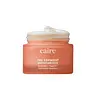
This barrier-repair moisturizer is formulated around Butyrospermum Parkii Butter and Simmondsia Chinensis Seed Oil to strengthen the skin barrier and hydrate skin.
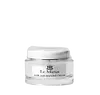
This anti-aging moisturizer is formulated around Galactomyces Ferment Filtrate and Palmitoyl Tripeptide-5 to soften the look of wrinkles and hydrate skin.

What's inside
What's inside
 Key Ingredients
Benefits
Concerns
Ingredients Side-by-side
Water
Skin ConditioningButyrospermum Parkii Butter
Skin Conditioning






Propanediol
Solvent
Simmondsia Chinensis Seed Oil
Emollient

Polyglyceryl-10 Oleate
Skin Conditioning
Brassica Alcohol
Emollient
Polyglyceryl-6 Distearate
Emulsifying
Heptyl Undecylenate
EmollientMethylheptylglycerin
HumectantPolyglyceryl-10 Dipalmitate
Emollient
Glycerin
Humectant
C13-16 Isoalkane
SolventGlyceryl Oleate
Emollient

Sodium Hyaluronate
Humectant


Oryza Sativa Bran Oil Extract
Skin Conditioning
Coconut Alkanes
Emollient
Porphyridium Cruentum Extract
Skin ConditioningYeast Extract
Skin ConditioningSoy Amino Acids
Skin ConditioningXanthan Gum
EmulsifyingCaprylhydroxamic Acid
ChelatingTetradecyl Aminobutyroylvalylaminobutyric Urea Trifluoroacetate
Skin ConditioningDiheptyl Succinate
EmollientCapryloyl Glycerin/Sebacic Acid Copolymer
Skin Conditioning1,2-Hexanediol
Skin Conditioning
Caprylyl Glycol
Emollient
Water, Butyrospermum Parkii Butter, Propanediol, Simmondsia Chinensis Seed Oil, Polyglyceryl-10 Oleate, Brassica Alcohol, Polyglyceryl-6 Distearate, Heptyl Undecylenate, Methylheptylglycerin, Polyglyceryl-10 Dipalmitate, Glycerin, C13-16 Isoalkane, Glyceryl Oleate, Sodium Hyaluronate, Oryza Sativa Bran Oil Extract, Coconut Alkanes, Porphyridium Cruentum Extract, Yeast Extract, Soy Amino Acids, Xanthan Gum, Caprylhydroxamic Acid, Tetradecyl Aminobutyroylvalylaminobutyric Urea Trifluoroacetate, Diheptyl Succinate, Capryloyl Glycerin/Sebacic Acid Copolymer, 1,2-Hexanediol, Caprylyl Glycol
Galactomyces Ferment Filtrate
Humectant

Sodium Hyaluronate
Humectant
Oryza Sativa Bran Water
Masking
Hyaluronic Acid
Humectant
Zinc Hydrolyzed Hyaluronate
HumectantHydroxypropyltrimonium Hyaluronate
Sodium Hyaluronate Dimethylsilanol
HumectantSodium Hyaluronate Crosspolymer
Humectant
C12-13 Alkyl Glyceryl Hydrolyzed Hyaluronate
Hydrolyzed Hyaluronic Acid
Humectant
Sodium Acetylated Hyaluronate
Humectant
Ascorbyl Propyl Hyaluronate
Skin Conditioning
Palmitoyl Tripeptide-5
Skin Conditioning

Theobroma Grandiflorum Seed Butter
Skin Conditioning
Simmondsia Chinensis Seed Oil
Emollient
Squalane
Emollient
Pyrus Malus Fruit Water
MaskingPhospholipids
Skin Conditioning
Acetyl Hexapeptide-8
Humectant
Sh-Oligopeptide-1
Skin Conditioning
Sh-Oligopeptide-2
Skin Conditioning
Acetyl Glutamine
Skin ConditioningAcetyl Octapeptide-3
Humectant
DNA
Skin ConditioningSodium Carboxymethyl Beta-Glucan
CleansingDipalmitoyl Hydroxyproline
Skin Conditioning
Ceramide EOP
Skin Conditioning
Ceramide NP
Skin Conditioning
Palmitoyl Pentapeptide-4
Skin Conditioning
Vitis Vinifera Seed Oil
Emollient
Butyrospermum Parkii Butter
Skin Conditioning
Aleurites Moluccanus Seed Oil
Skin Conditioning
Oryza Sativa Bran Oil
Emollient
Enteromorpha Compressa Extract
Skin Protecting
Morus Alba Root Extract
BleachingSaccharomyces Lysate Extract
Humectant
Tocotrienols
Skin Conditioning
Camellia Sinensis Extract
Antioxidant

Vitis Vinifera Seed Extract
Antimicrobial
Vaccinium Myrtillus Seed Extract
Skin ConditioningSphingomonas Ferment Extract
Skin Conditioning
Tocopherol
Antioxidant
Caprylyl Glycol
Emollient
Ethylhexylglycerin
Skin ConditioningUndecylenoyl Glycine
CleansingCapryloyl Glycine
CleansingGalactomyces Ferment Filtrate, Sodium Hyaluronate, Oryza Sativa Bran Water, Hyaluronic Acid, Zinc Hydrolyzed Hyaluronate, Hydroxypropyltrimonium Hyaluronate, Sodium Hyaluronate Dimethylsilanol, Sodium Hyaluronate Crosspolymer, C12-13 Alkyl Glyceryl Hydrolyzed Hyaluronate, Hydrolyzed Hyaluronic Acid, Sodium Acetylated Hyaluronate, Ascorbyl Propyl Hyaluronate, Palmitoyl Tripeptide-5, Theobroma Grandiflorum Seed Butter, Simmondsia Chinensis Seed Oil, Squalane, Pyrus Malus Fruit Water, Phospholipids, Acetyl Hexapeptide-8, Sh-Oligopeptide-1, Sh-Oligopeptide-2, Acetyl Glutamine, Acetyl Octapeptide-3, DNA, Sodium Carboxymethyl Beta-Glucan, Dipalmitoyl Hydroxyproline, Ceramide EOP, Ceramide NP, Palmitoyl Pentapeptide-4, Vitis Vinifera Seed Oil, Butyrospermum Parkii Butter, Aleurites Moluccanus Seed Oil, Oryza Sativa Bran Oil, Enteromorpha Compressa Extract, Morus Alba Root Extract, Saccharomyces Lysate Extract, Tocotrienols, Camellia Sinensis Extract, Vitis Vinifera Seed Extract, Vaccinium Myrtillus Seed Extract, Sphingomonas Ferment Extract, Tocopherol, Caprylyl Glycol, Ethylhexylglycerin, Undecylenoyl Glycine, Capryloyl Glycine
Reviews
Ingredients Explained
These ingredients are found in both products.
Ingredients higher up in an ingredient list are typically present in a larger amount.
This ingredient is also known as shea butter. It is a plant-derived extract from the nuts of the Africa shea tree and one of the most well-studied emollients.
Because it has a high concentration of fatty acids (primarily oleic, stearic, and linoleic) it is able to form a protective barrier on the skin's surface. This helps seal in moisture and prevents transepidermal water loss (TEWL).
In vitro research found an increase in skin hydration by 58% and a decrease in TEWL by 37.8% after 24 hours of applying this ingredient (pretty impressive for a single ingredient!).
Besides hydration, shea butter also contains triterpenes that have anti-inflammatory potential. In particule, lupeol cinnamate has shown the highest anti-inflammatory activity in vivo.
Shea butter also contains vitamins A and E which may contribute to antioxidant activity.
While Shea Butter has an SPF rating of about 3-4, it is not a sunscreen replacement.
This ingredient may not be fungal acne safe because its fatty acids fall within the C11-C24 range that the Malassezia yeast can metabolize.
This ingredient shows up on a lot of "pore-clogging" lists but there's no real evidence behind that. It doesn't even have a comedogenic rating from an actual study; the numbers you'll find online come from blogs citing other blogs.
Ratings for other ingredients mostly come from a 1980s rabbit ear test. This test doesn't translate well to human skin or to real products because the ingredient sits at a much lower percentage.
Some people still find it breaks them out. So if that's you, definitely trust your skin. Just know this one's based on experience and not evidence.
Learn more about Butyrospermum Parkii ButterCaprylyl Glycol is a humectant, skin conditioner, emollient, and preservative booster derived from either caprylic acid or synthetically created.
Typical use levels vary from 0.3-1% as a preservative booster and go up to 2% to condition skin.
Because it is not a free-fatty acid, this ingredient is fungal acne safe (there's nothing for Malassezia to feed on).
Learn more about Caprylyl GlycolJojoba oil is one of the most well-studied plant-derived ingredients in cosmetics. It is an emollient with a special structure.
Because it is made up of 97-98% wax esters, it closely mirrors the linear monoesters found in human sebum. This makes it skin compatible, non-greasy, and lightweight.
Unlike other plant oils, jojoba wax doesn't easily penetrate skin. It mostly works in the uppermost layers as an emollient. This just means it forms a light barrier on the skin to help retain moisture.
Formulations with jojoba esters up to 90% reduced transepidermal water loss (TEWL) and increased barrier recovery by 81% (outperforming bisabolol at 47%).
Besides barrier support, the science also suggests jojoba to have anti-inflammatory effects and potential applications for skin infections, aging, and wound healing.
Fun fact: Indigenous cultures have used jojoba as a moisturizer and to help treat burns for centuries.
Fungal acne: The Malassezia yeast is known to metabolize fatty acids in the C11-24 range and jojoba's dominant fatty acid components fall into this range. This ingredient may not be fungal acne safe.
Learn more about Simmondsia Chinensis Seed OilSodium Hyaluronate is the salt form of hyaluronic acid. It is a long sugar chain that is naturally found in your skin, joints, and connective tissue that maintains hydration and elasticity.
In skincare, it works as a humectant. It pulls water from the environment and deeper layers of skin and binds it to the surface.
Interestingly, the size of the molecule affects its behavior:
Some clinical evidence links low molecular weight versions to improved wrinkle depth, elasticity, anti-inflammatory effects, and barrier repair.
Many serums use a blend of both weights so you can get surface hydration plus longer-lasting and deeper effects.
You'll typically see concentrations between 0.1-2% for this ingredient.
Learn more about Sodium Hyaluronate

