This oil-based makeup remover is made to dissolve makeup, sunscreen, and daily buildup.
This oil-based makeup remover is made to dissolve makeup, sunscreen, and daily buildup.

What's inside
What's inside
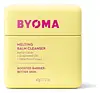 Key Ingredients
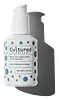
Benefits
Concerns
Ingredients Side-by-side
Palmitic Acid
Emollient





Myristic Acid
Cleansing
Olea Europaea Fruit Oil
Masking

Vitis Vinifera Seed Oil
Emollient
Cetyl Ethylhexanoate
EmollientOrbignya Oleifera Seed Oil
Emollient
Niacinamide
Smoothing










Ceramide NP
Skin Conditioning
Hippophae Rhamnoides Oil
Emollient
Sphingolipids
Emollient
Stearic Acid
Cleansing
Sorbeth-30 Tetraoleate
Emulsifying
Synthetic Wax
Abrasive
1,2-Hexanediol
Skin Conditioning
Tocopheryl Acetate
Antioxidant

Rosmarinus Officinalis Leaf Oil
Masking
Palmitic Acid, Myristic Acid, Olea Europaea Fruit Oil, Vitis Vinifera Seed Oil, Cetyl Ethylhexanoate, Orbignya Oleifera Seed Oil, Niacinamide, Ceramide NP, Hippophae Rhamnoides Oil, Sphingolipids, Stearic Acid, Sorbeth-30 Tetraoleate, Synthetic Wax, 1,2-Hexanediol, Tocopheryl Acetate, Rosmarinus Officinalis Leaf Oil
Caprylic/Capric Triglyceride
Masking
Glycerin
Humectant
Water
Skin ConditioningPrunus Amygdalus Dulcis Oil
Skin Conditioning
Simmondsia Chinensis Seed Oil
Emollient
Sucrose Laurate
Emollient
Helianthus Annuus Seed Oil
Emollient
Candida Bombicola/Glucose/Methyl Rapeseedate Ferment
AntimicrobialChlorella Vulgaris Extract
Skin ConditioningOlea Europaea Fruit Oil
Masking
Hippophae Rhamnoides Oil
Emollient
Argania Spinosa Kernel Oil
Emollient
Angelica Gigas Root Extract
Skin ConditioningAnthemis Nobilis Flower Oil
Masking

Glycyrrhiza Uralensis Root Extract
Skin Conditioning
Lithospermum Erythrorhizon Root Extract
Skin ConditioningPhaeodactylum Tricornutum Extract
HumectantPanthenol
Skin Conditioning
Sucrose Stearate
EmollientSucrose Palmitate
EmollientPropanediol
Solvent
Tocopherol
Antioxidant
Rosmarinus Officinalis Leaf Extract
AntimicrobialLactic Acid
Buffering
Caprylic/Capric Triglyceride, Glycerin, Water, Prunus Amygdalus Dulcis Oil, Simmondsia Chinensis Seed Oil, Sucrose Laurate, Helianthus Annuus Seed Oil, Candida Bombicola/Glucose/Methyl Rapeseedate Ferment, Chlorella Vulgaris Extract, Olea Europaea Fruit Oil, Hippophae Rhamnoides Oil, Argania Spinosa Kernel Oil, Angelica Gigas Root Extract, Anthemis Nobilis Flower Oil, Glycyrrhiza Uralensis Root Extract, Lithospermum Erythrorhizon Root Extract, Phaeodactylum Tricornutum Extract, Panthenol, Sucrose Stearate, Sucrose Palmitate, Propanediol, Tocopherol, Rosmarinus Officinalis Leaf Extract, Lactic Acid
Reviews
Ingredients Explained
These ingredients are found in both products.
Ingredients higher up in an ingredient list are typically present in a larger amount.
Hippophae Rhamnoides Oil also known as seabuckthorn oil. This oil is usually extracted from the fruit pulp or seeds.
Seabuckthorn is rich in phytosterols, carotenoids, Vitamins A, C, and E. This gives it strong antioxidant properties that can help soothe and protect your skin from oxidative damage.
This oil is rich in fatty acids, including: two types of linoleic acid (~30-34%), oleic acid (17%), and palmiteic acid (35%). Note these numbers are averages, and different parts of the plant will vary.
Palmitoleic acid has been shown to help soothe inflammation and promote wound healing. It is also naturally found in the fat of our skin.
Overall, seabuckthorn oil is great for nourishing, hydrating, and soothing skin. While it shows UV protecting properties, it should not replace sunscreen.
Due to the rich fatty acid content, this ingredient may not be Malassezia folliculitis, or fungal acne, safe.
Seabuckthorn berries are little orange fruits. This plant is native to Asia.
Learn more about Hippophae Rhamnoides OilThis ingredient is also known as olive oil. It has been used in skincare for centuries and science largely backs up its reputation as a nourishing emollient.
The main components of olive oil are oleic acid (55-83%), linoleic acid (3.5-20%), and palmitic acid (7-20%). Oleic acid promotes skin regeneration and helps regulate inflammatory responses.
Squalene is also naturally present in olive oil and exhibits moisturizing and antioxidant properties.
The polyphenols in olive oil also show anti-aging promise; one clinical study found a measurable improvement in skin appearance after 30 days of topical serum use.
Just be aware that applying olive oil directly to skin can weaken the barrier and cause redness. One study with volunteers found even people without sensitive skin experienced a significant reduction in stratum corneum integrity and induced mild erythema.
It's best to use this ingredient as part of a carefully crafted formula (instead of putting it on skin directly from the bottle).
Because it has a 0-2 on the comedogenic scale, it is low risk for acne-prone skin. Just remember the overall formulation of a product matters more than a few ingredients with comedogenic ratings.
This ingredient may not be fungal acne safe because of the oleic and palmitic acid content. These fall within the C11-24 fatty acid range that the Malassezia yeast can metabolize to grow.
Overall, olive oil is a well-studied and nourishing skincare ingredient.
Learn more about Olea Europaea Fruit Oil

