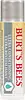
This barrier-repair lip moisturizer is formulated around Cocos Nucifera Oil and Sclerocarya Birrea Seed Oil to strengthen the lip barrier and hydrate lips.
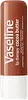
This barrier-repair lip moisturizer is formulated around Ricinus Communis Seed Oil and Petrolatum to strengthen the lip barrier and hydrate lips.

What's inside
What's inside
 Key Ingredients
Benefits
Concerns
Ingredients Side-by-side
Cocos Nucifera Oil
Masking








Olea Europaea Fruit Oil
Masking
Helianthus Annuus Seed Oil
Emollient
Helianthus Annuus Seed Wax
Skin Conditioning
Persea Gratissima Oil
Skin Conditioning
Vegetable Oil
Skin Conditioning
Cera Alba
Emollient
Sclerocarya Birrea Seed Oil
Humectant
Soybean Glycerides
EmollientTheobroma Cacao Seed Butter
Emollient
Garcinia Indica Seed Butter
Skin Conditioning
Butyrospermum Parkii Butter
Skin Conditioning
Butyrospermum Parkii Butter Unsaponifiables
Skin Conditioning
Cymbopogon Martini Oil
Masking
Citrus Aurantium Dulcis Oil
Masking
Salvia Sclarea Oil
Masking
Tocopherol
Antioxidant





Myroxylon Pereirae Oil
Masking

Vanilla Planifolia Fruit Extract
Skin Conditioning
Illicium Verum Fruit/Seed Oil
Masking
Cananga Odorata Flower Oil
Masking
Glycine Soja Oil
Emollient
Citric Acid
Buffering
Geraniol
Perfuming
Linalool
Perfuming
Benzyl Benzoate
Antimicrobial
Cocos Nucifera Oil, Olea Europaea Fruit Oil, Helianthus Annuus Seed Oil, Helianthus Annuus Seed Wax, Persea Gratissima Oil, Vegetable Oil, Cera Alba, Sclerocarya Birrea Seed Oil, Soybean Glycerides, Theobroma Cacao Seed Butter, Garcinia Indica Seed Butter, Butyrospermum Parkii Butter, Butyrospermum Parkii Butter Unsaponifiables, Cymbopogon Martini Oil, Citrus Aurantium Dulcis Oil, Salvia Sclarea Oil, Tocopherol, Myroxylon Pereirae Oil, Vanilla Planifolia Fruit Extract, Illicium Verum Fruit/Seed Oil, Cananga Odorata Flower Oil, Glycine Soja Oil, Citric Acid, Geraniol, Linalool, Benzyl Benzoate
Octyldodecanol
Emollient
Microcrystalline Wax
Emulsion StabilisingCaprylic/Capric Triglyceride
Masking
Ricinus Communis Seed Oil
Masking
Cetyl Palmitate
Emollient
Petrolatum
Emollient
Myristyl Myristate
Emollient
Polyglyceryl-3 Distearate
Emulsifying
Water
Skin ConditioningButyrospermum Parkii Butter
Skin Conditioning
Theobroma Cacao Seed Butter
Emollient
Copernicia Cerifera Wax
Cetearyl Alcohol
Emollient
C20-40 Alkyl Stearate
Skin ConditioningBeeswax
Emulsion Stabilising
Glycerin
Humectant
Tocopheryl Acetate
Antioxidant
Simmondsia Chinensis Seed Oil
Emollient
Camellia Sinensis Leaf Extract
Antimicrobial

Persea Gratissima Fruit Extract
EmollientMacadamia Integrifolia Seed Oil
Skin Conditioning
Butylene Glycol
Humectant
Parfum
Masking
Iron Oxides
Octyldodecanol, Microcrystalline Wax, Caprylic/Capric Triglyceride, Ricinus Communis Seed Oil, Cetyl Palmitate, Petrolatum, Myristyl Myristate, Polyglyceryl-3 Distearate, Water, Butyrospermum Parkii Butter, Theobroma Cacao Seed Butter, Copernicia Cerifera Wax, Cetearyl Alcohol, C20-40 Alkyl Stearate, Beeswax, Glycerin, Tocopheryl Acetate, Simmondsia Chinensis Seed Oil, Camellia Sinensis Leaf Extract, Persea Gratissima Fruit Extract, Macadamia Integrifolia Seed Oil, Butylene Glycol, Parfum, Iron Oxides
Reviews
Ingredients Explained
These ingredients are found in both products.
Ingredients higher up in an ingredient list are typically present in a larger amount.
This ingredient is also known as shea butter. It is a plant-derived extract from the nuts of the Africa shea tree and one of the most well-studied emollients.
Because it has a high concentration of fatty acids (primarily oleic, stearic, and linoleic) it is able to form a protective barrier on the skin's surface. This helps seal in moisture and prevents transepidermal water loss (TEWL).
In vitro research found an increase in skin hydration by 58% and a decrease in TEWL by 37.8% after 24 hours of applying this ingredient (pretty impressive for a single ingredient!).
Besides hydration, shea butter also contains triterpenes that have anti-inflammatory potential. In particule, lupeol cinnamate has shown the highest anti-inflammatory activity in vivo.
Shea butter also contains vitamins A and E which may contribute to antioxidant activity.
While Shea Butter has an SPF rating of about 3-4, it is not a sunscreen replacement.
This ingredient may not be fungal acne safe because its fatty acids fall within the C11-C24 range that the Malassezia yeast can metabolize.
This ingredient shows up on a lot of "pore-clogging" lists but there's no real evidence behind that. It doesn't even have a comedogenic rating from an actual study; the numbers you'll find online come from blogs citing other blogs.
Ratings for other ingredients mostly come from a 1980s rabbit ear test. This test doesn't translate well to human skin or to real products because the ingredient sits at a much lower percentage.
Some people still find it breaks them out. So if that's you, definitely trust your skin. Just know this one's based on experience and not evidence.
Learn more about Butyrospermum Parkii ButterThis ingredient is also known as Cocoa butter; it's the fat pressed out of roasted cocoa beans.
Cocoa butter is solid at room temperature and melts right around body temperature, which is why it feels waxy in the jar and slippery on skin.
It has a very saturated profile (stearic acid ~34 to 36%, oleic acid ~30 to 40%, and palmitic acid ~24 to 29%) that makes it a strong occlusive: it sits on top and slows water escaping from skin.
Concentration data shows that it can show up anywhere from a few percent in lotions up to 100% in balms, and the FDA lists cocoa butter as an OTC skin protectant active at 50-100%.
The CIR has reviewed it and concluded it to be safe as used in cosmetics.
This is one of the ingredients with a comedogenic score of 4/5 from the rabbit ear test. Just know that a later human study did find that finished products containing high-comedogenic ingredients like cocoa butter did not increase microcomedone formation.
The fair call here is that this ingredient is most likely fine on body or low-percentage formulas, but can potentially be riskier as a heavy leave-on facial product if you break out easily.
Cocoa butter may not be fungal acne safe; it is a triglyceride of C16-18 fatty acids that the Malassezia yeast can metabolize.
Allergies to cocoa butter are rare and uncommon, but a few cases have been documented (mostly in cases where the person ate chocolate). So if you have a tree nut allergy, be sure to patch test or avoid.
Learn more about Theobroma Cacao Seed Butter

