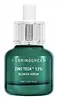
This acne serum is formulated around Niacinamide and Centella Asiatica Extract to clear breakouts and calm redness.
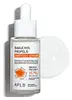
This anti-aging serum is formulated around Bakuchiol and Propolis Extract to soften the look of wrinkles and calm redness.

What's inside
What's inside
 Key Ingredients
Benefits
Concerns
Ingredients Side-by-side
Water
Skin ConditioningEthoxydiglycol
HumectantMethylpropanediol
SolventMethyl Gluceth-20
Humectant
1,2-Hexanediol
Skin Conditioning
Niacinamide
Smoothing











Centella Asiatica Extract
Cleansing
Melaleuca Alternifolia Leaf Extract
Perfuming
Melaleuca Alternifolia Flower/Leaf/Stem Extract
Skin ConditioningCorchorus Olitorius Leaf Extract
Skin ConditioningAngelica Keiskei Extract
Antioxidant
Nelumbo Nucifera Root Extract
Skin ConditioningHibiscus Esculentus Fruit Extract
Skin ConditioningDioscorea Japonica Root Extract
Skin Conditioning
Hydrogenated Lecithin
Emulsifying
Melaleuca Alternifolia Leaf Water
Antimicrobial
Melaleuca Alternifolia Leaf Oil
Antioxidant



Octyldodecanol
Emollient
Octyldodeceth-16
EmulsifyingAsiaticoside
Antioxidant
Madecassic Acid
Skin Conditioning
Glycolipids
Skin ConditioningAsiatic Acid
Skin Conditioning
C12-13 Alketh-9
EmulsifyingCarbomer
Emulsion StabilisingTromethamine
BufferingPvp
Emulsion StabilisingSodium Polyacrylate
Absorbent
Disodium EDTA
Chelating4-Terpineol
Masking
Zinc PCA
Humectant
Ethylhexylglycerin
Skin ConditioningWater, Ethoxydiglycol, Methylpropanediol, Methyl Gluceth-20, 1,2-Hexanediol, Niacinamide, Centella Asiatica Extract, Melaleuca Alternifolia Leaf Extract, Melaleuca Alternifolia Flower/Leaf/Stem Extract, Corchorus Olitorius Leaf Extract, Angelica Keiskei Extract, Nelumbo Nucifera Root Extract, Hibiscus Esculentus Fruit Extract, Dioscorea Japonica Root Extract, Hydrogenated Lecithin, Melaleuca Alternifolia Leaf Water, Melaleuca Alternifolia Leaf Oil, Octyldodecanol, Octyldodeceth-16, Asiaticoside, Madecassic Acid, Glycolipids, Asiatic Acid, C12-13 Alketh-9, Carbomer, Tromethamine, Pvp, Sodium Polyacrylate, Disodium EDTA, 4-Terpineol, Zinc PCA, Ethylhexylglycerin
Water
Skin ConditioningCentella Asiatica Leaf Water
Skin Conditioning
Butylene Glycol
Humectant
Propanediol
Solvent
1,2-Hexanediol
Skin Conditioning
Glycerin
Humectant
Diethoxyethyl Succinate
SolventPanthenol
Skin Conditioning
Hydroxyacetophenone
Antioxidant
Sodium Polyacryloyldimethyl Taurate
Emulsion StabilisingAllantoin
Skin Conditioning
Cellulose Gum
Emulsion StabilisingDisodium EDTA
ChelatingCitric Acid
Buffering

Dipotassium Glycyrrhizate
Humectant
Xanthan Gum
EmulsifyingInulin
Skin Conditioning
Bakuchiol
Antimicrobial
Glyceryl Acrylate/Acrylic Acid Copolymer
HumectantCellulose
Absorbent
Fructose
Humectant
Glucose
Humectant
Dipropylene Glycol
HumectantSqualane
Emollient
C12-14 Alketh-12
EmulsifyingAsiaticoside
Antioxidant
Madecassic Acid
Skin Conditioning
Asiatic Acid
Skin Conditioning
Propolis Extract
Skin Conditioning
Sodium Hyaluronate
Humectant
Melaleuca Alternifolia Leaf Extract
Perfuming
Hippophae Rhamnoides Fruit Extract
Skin Conditioning
Hydrolyzed Collagen
Emollient
Beta-Glucan
Skin Conditioning
Caprylyl Glycol
Emollient
Nelumbium Speciosum Flower Extract
Skin ConditioningArtemisia Annua Extract
Masking
Oryza Sativa Extract
Absorbent
Saccharomyces Ferment
Skin Conditioning
Solanum Melongena Fruit Extract
Skin ConditioningWater, Centella Asiatica Leaf Water, Butylene Glycol, Propanediol, 1,2-Hexanediol, Glycerin, Diethoxyethyl Succinate, Panthenol, Hydroxyacetophenone, Sodium Polyacryloyldimethyl Taurate, Allantoin, Cellulose Gum, Disodium EDTA, Citric Acid, Dipotassium Glycyrrhizate, Xanthan Gum, Inulin, Bakuchiol, Glyceryl Acrylate/Acrylic Acid Copolymer, Cellulose, Fructose, Glucose, Dipropylene Glycol, Squalane, C12-14 Alketh-12, Asiaticoside, Madecassic Acid, Asiatic Acid, Propolis Extract, Sodium Hyaluronate, Melaleuca Alternifolia Leaf Extract, Hippophae Rhamnoides Fruit Extract, Hydrolyzed Collagen, Beta-Glucan, Caprylyl Glycol, Nelumbium Speciosum Flower Extract, Artemisia Annua Extract, Oryza Sativa Extract, Saccharomyces Ferment, Solanum Melongena Fruit Extract
Reviews
Ingredients Explained
These ingredients are found in both products.
Ingredients higher up in an ingredient list are typically present in a larger amount.
1,2-Hexanediol is a synthetic liquid and another multi-functional powerhouse.
It is a:
- Humectant, drawing moisture into the skin
- Emollient, helping to soften skin
- Solvent, dispersing and stabilizing formulas
- Preservative booster, enhancing the antimicrobial activity of other preservatives
Asiatic Acid is one of the four main actives found in Centella Asiatica. Its headline job is stimulating collagen.
Lab tests on human skin cells show Asiatic Acid tells your skin to make more collagen, the protein that keeps skin firm and bouncy.
It also calms inflammation and acts as an antioxidant so it can help skin heal faster, rebuild itself, and repair a damaged barrier.
And on naming, even though "acid" is in the name, it's nothing like an AHA or BHA exfoliant. It's a gentle firming and soothing ingredient that supports your skin barrier.
Concentration-wise, Asiatic Acid is potent at very low doses and usually shows up as a small fraction of a broader centella extract.
Analyses of centella material put Asiatic Acid reported in the range of 0.2-3% of the extract.
This ingredient is non-sensitizing and guinea pig sensitization testing also found it to be a weak sensitizer. That means the risk of acquiring contact sensitivty is quite low.
Allergic contact dermatitis does exist but is also very rare; documented cases tend to involve prolonged use on broken skin plus co-sensitization to fragrance ingredients.
Learn more about Asiatic AcidAsiaticoside comes from the super popular skin-soothing ingredient, Centella asiatica. It's the reason centella-based products have a strong reputation for repairing and calming skin, along with its sibling compound Madecassoside.
Research from 2016-2025 supports its role in:
You'll usually find this in concentrations between 0.2-5%.
Learn more about AsiaticosideDisodium EDTA is a chelating agent. It grabs onto and deactivates metal ions that sneak into your products from water, packaging, or air.
This ingredient mainly works behind the scenes and helps with:
On top of that, this ingredient can counteract the effects of hard water by binding to the minerals in it.
One thing worth knowing is that Disodium EDTA has been shown to be a mild penetration enhancer. It can help other ingredients absorb into skin more effectively which can be a double-edged sword (great for actives, but can also make the active too strong if you have sensitive skin).
Clinical patch testing showed no significant skin irritation at typical use concentrations and minimal dermal absorption.
You'll most likely see this ingredient near the end of an ingredient list. It's typically found in concentrations less than 1%.
Learn more about Disodium EDTAMadecassic Acid is one of the four star actives in Centella Asiatica. In skincare, it earns its keep as a calming and repairing ingredient.
It works through the same core pathways as the rest of the centella family.
First, it turns down inflammation so it helps with things like redness and general upset skin.
Second, it acts as an antioxidant which means it helps protect skin from daily stress and damage.
And third, it nudges the skin to make more collagen and rebuild its support structure.
That combination is why the whole Centella family is known for calming skin, strengthening the barrier, fading redness, and giving anti-aging benefits.
It's worth being honest about the evidence here; a lot of the strongest data is on the full extract or a Madecassoside/Asiaticoside rather than Madecassic Acid alone. Reviewers also note more long-term clinical trials are needed to confirm the full potential.
Concentration-wise, this ingredient is rarely used pure and usually shows up as part of a standardized centella extract where reported content ranges from 0.02-3.06%.
Finished products typically run somewhere in the 0.1-10% range depending on the format.
In real-world tolerance tests, a repeat-insult patch test on an eye lotion with 0.2% Centella extract showed no irritation or allergic contact dermatitis in 54 subjects. And a mascara with 0.5% Madecassoside caused neither irritation nor sensitization in 109 subjects.
Allergy risk is very low, but not zero. Centella and its constituents are classified as weak contact sensitizers and some rare cases of allergic contact dermatitis exist.
Learn more about Madecassic AcidMelaleuca Alternifolia Leaf Extract comes from the Tea Tree, Melaleuca alternifolia, Myrtaceae. This tea tree is native to Australia.
Tea Leaf extract contains antimicrobial and anti-acne properties.
This ingredient has perfuming properties and contains linalool and limonene. These fragrance and terpinen components can cause skin sensitivity.
Learn more about the benefits of Tea Tree Oil here.
Learn more about Melaleuca Alternifolia Leaf ExtractWater. It's the most common cosmetic ingredient of all. You'll usually see it at the top of ingredient lists, meaning that it makes up the largest part of the product.
So why is it so popular? Water most often acts as a solvent - this means that it helps dissolve other ingredients into the formulation.
You'll also recognize water as that liquid we all need to stay alive. If you see this, drink a glass of water. Remember to stay hydrated!
Learn more about Water

