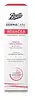
This calming serum is formulated around Potassium Azeloyl Diglycinate and Dipotassium Glycyrrhizate to calm redness and fade the look of dark spots.
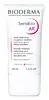
This calming moisturizer is formulated around Laminaria Ochroleuca Extract and Glycyrrhetinic Acid to calm redness and hydrate skin.


What's inside
What's inside
 Key Ingredients
Benefits
Concerns
Ingredients Side-by-side
Water
Skin ConditioningPotassium Azeloyl Diglycinate
Skin Conditioning




Propylene Glycol
Humectant


Glyceryl Stearate
Emollient
C12-15 Alkyl Benzoate
AntimicrobialDimethicone
Emollient

Ceteareth-20
Cleansing
Squalane
Emollient

Glyceryl Behenate/Eicosadioate
Emollient
Propanediol
Solvent
Phenethyl Alcohol
MaskingPolyacrylate Crosspolymer-6
Emulsion StabilisingCeramide AP
Skin Conditioning
1,2-Hexanediol
Skin Conditioning
Caprylyl Glycol
Emollient
Dipotassium Glycyrrhizate
Humectant
Hydroxyacetophenone
Antioxidant
Tocopheryl Acetate
Antioxidant

Aloe Barbadensis Leaf Juice
Skin Conditioning
Dimethiconol
Emollient
Oleyl Alcohol
Emollient


Cetyl Palmitate
Emollient
Aesculus Hippocastanum Seed Extract
Skin ConditioningHydroxyethyl Acrylate/Sodium Acryloyldimethyl Taurate Copolymer
Emulsion StabilisingHydrogenated Lecithin
Emulsifying
Sodium Hyaluronate
Humectant
Xanthan Gum
EmulsifyingEthylhexylglycerin
Skin ConditioningPolyisobutene
Disodium EDTA
Hydroxyethylcellulose
Emulsion StabilisingZanthoxylum Bungeanum Fruit Extract
Skin ConditioningDiethylhexyl Syringylidenemalonate
Skin Protecting
Cyclopentasiloxane
Emollient
Maltodextrin
Absorbent
PEG-7 Trimethylolpropane Coconut Ether
Emulsifying
Sorbitan Isostearate
Emulsifying
Caprylic/Capric Triglyceride
Masking
Potassium Sorbate
Preservative
Sodium Benzoate
Masking
Water, Potassium Azeloyl Diglycinate, Propylene Glycol, Glyceryl Stearate, C12-15 Alkyl Benzoate, Dimethicone, Ceteareth-20, Squalane, Glyceryl Behenate/Eicosadioate, Propanediol, Phenethyl Alcohol, Polyacrylate Crosspolymer-6, Ceramide AP, 1,2-Hexanediol, Caprylyl Glycol, Dipotassium Glycyrrhizate, Hydroxyacetophenone, Tocopheryl Acetate, Aloe Barbadensis Leaf Juice, Dimethiconol, Oleyl Alcohol, Cetyl Palmitate, Aesculus Hippocastanum Seed Extract, Hydroxyethyl Acrylate/Sodium Acryloyldimethyl Taurate Copolymer, Hydrogenated Lecithin, Sodium Hyaluronate, Xanthan Gum, Ethylhexylglycerin, Polyisobutene, Disodium EDTA, Hydroxyethylcellulose, Zanthoxylum Bungeanum Fruit Extract, Diethylhexyl Syringylidenemalonate, Cyclopentasiloxane, Maltodextrin, PEG-7 Trimethylolpropane Coconut Ether, Sorbitan Isostearate, Caprylic/Capric Triglyceride, Potassium Sorbate, Sodium Benzoate
Water
Skin ConditioningParaffinum Liquidum
Emollient

Glycerin
Humectant
Tridecyl Trimellitate
EmollientGlycol Palmitate
Emulsifying
Caprylic/Capric Triglyceride
Masking
Canola Oil
Emollient
Triceteareth-4 Phosphate
EmulsifyingFructooligosaccharides
Humectant
Mannitol
Humectant
Xylitol
Humectant
Rhamnose
HumectantLaminaria Ochroleuca Extract
Skin Conditioning
Glycyrrhetinic Acid
Skin Conditioning
Glycine Soja Germ Extract
EmollientAllantoin
Skin Conditioning
Ginkgo Biloba Leaf Extract
Skin Conditioning
Camellia Sinensis Leaf Extract
Antimicrobial
Propylene Glycol
Humectant
Pentylene Glycol
Skin Conditioning
Caprylyl Glycol
Emollient
Glycol Stearate
Emollient
PEG-2 Stearate
Emulsifying
Acrylates/C10-30 Alkyl Acrylate Crosspolymer
Emulsion Stabilising1,2-Hexanediol
Skin Conditioning
Citric Acid
Buffering
Xanthan Gum
EmulsifyingDisodium EDTA
Sodium Hydroxide
BufferingWater, Paraffinum Liquidum, Glycerin, Tridecyl Trimellitate, Glycol Palmitate, Caprylic/Capric Triglyceride, Canola Oil, Triceteareth-4 Phosphate, Fructooligosaccharides, Mannitol, Xylitol, Rhamnose, Laminaria Ochroleuca Extract, Glycyrrhetinic Acid, Glycine Soja Germ Extract, Allantoin, Ginkgo Biloba Leaf Extract, Camellia Sinensis Leaf Extract, Propylene Glycol, Pentylene Glycol, Caprylyl Glycol, Glycol Stearate, PEG-2 Stearate, Acrylates/C10-30 Alkyl Acrylate Crosspolymer, 1,2-Hexanediol, Citric Acid, Xanthan Gum, Disodium EDTA, Sodium Hydroxide
Reviews
Ingredients Explained
These ingredients are found in both products.
Ingredients higher up in an ingredient list are typically present in a larger amount.
1,2-Hexanediol is a synthetic liquid and another multi-functional powerhouse.
It is a:
- Humectant, drawing moisture into the skin
- Emollient, helping to soften skin
- Solvent, dispersing and stabilizing formulas
- Preservative booster, enhancing the antimicrobial activity of other preservatives
Caprylic/Capric Triglyceride (aka MCT Oil) is a lightweight emollient, solvent, and texture enhancer. It is considered a skin-softener by helping to prevent moisture loss.
Though it behaves like an oil, it is not technically one due to its chemical composition. One perk of this ingredient is that it is very stable, resistant to oxidation, and unlikely to go rancid.
In practice, that translates to a long shelf life and a consistently elegant skin feel.
While there is an assumption Caprylic Triglyceride can clog pores due to it being derived from coconut oil, there is no research supporting this. Just patch test if you have concerns.
Fractionated coconut oil and MCT Oil are both listed as Caprylic/Capric Triglyceride according to INCI. This is because INCI names are based on the ingredient’s final chemical composition and not its marketing name or source.
This ingredient is treated as the gold standard fungal acne safe oil. Even though it is coconut derived, the problematic lauric acid is stripped out.
This leaves just caprylic (C8) and capric (C10) acid. These chain lengths actually trend antifungal; a 2020 study found caprylic acid was enough to disrupt Malassezia furfur cell membrane, with a caprylic acid derivative damaging membrane structures at concentrations as low as 0.2%.
Learn more about Caprylic/Capric TriglycerideCaprylyl Glycol is a humectant, skin conditioner, emollient, and preservative booster derived from either caprylic acid or synthetically created.
Typical use levels vary from 0.3-1% as a preservative booster and go up to 2% to condition skin.
Because it is not a free-fatty acid, this ingredient is fungal acne safe (there's nothing for Malassezia to feed on).
Learn more about Caprylyl GlycolDisodium EDTA is a chelating agent. It grabs onto and deactivates metal ions that sneak into your products from water, packaging, or air.
This ingredient mainly works behind the scenes and helps with:
On top of that, this ingredient can counteract the effects of hard water by binding to the minerals in it.
One thing worth knowing is that Disodium EDTA has been shown to be a mild penetration enhancer. It can help other ingredients absorb into skin more effectively which can be a double-edged sword (great for actives, but can also make the active too strong if you have sensitive skin).
Clinical patch testing showed no significant skin irritation at typical use concentrations and minimal dermal absorption.
You'll most likely see this ingredient near the end of an ingredient list. It's typically found in concentrations less than 1%.
Learn more about Disodium EDTAPropylene Glycol is a synthetic, colorless, odorless liquid that has been a staple in cosmetics for decades. It is a skin conditioning agent, humectant, and solvent.
As a humectant, it draw water to the skin to reduce flaking and restore suppleness. It's also a solvent that helps dissolve other actives and keeps formulas stable across temperature changes.
The CIR Expert Panel has confirmed this ingredient to be nontoxic and clinical studies show no sensitization at cosmetic use concentrations.
True allergic reactions are quite rare: a 15-year retrospective study of 6,751 patients found only 0.31% had a positive reaction (and less than half were considered clinically relevant).
It seemed that when sensitization does occur, it's most commonly linked to topical medication (like corticosteroids) and not cosmetics. Allergic contact dermatitis also appears largely limited to individuals with underlying skin conditions.
Overall, propylene glycol is a well-studied ingredient that most people can tolerate without issue.
Learn more about Propylene GlycolWater. It's the most common cosmetic ingredient of all. You'll usually see it at the top of ingredient lists, meaning that it makes up the largest part of the product.
So why is it so popular? Water most often acts as a solvent - this means that it helps dissolve other ingredients into the formulation.
You'll also recognize water as that liquid we all need to stay alive. If you see this, drink a glass of water. Remember to stay hydrated!
Learn more about WaterXanthan gum is used as a stabilizer and thickener within cosmetic products. It helps give products a sticky, thick feeling - preventing them from being too runny.
On the technical side of things, xanthan gum is a polysaccharide - a combination consisting of multiple sugar molecules bonded together.
Xanthan gum is a pretty common and great ingredient. It is a natural, non-toxic, non-irritating ingredient that is also commonly used in food products.
Learn more about Xanthan Gum

