

What's inside
What's inside
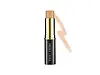 Key Ingredients
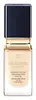
Benefits
Concerns
Ingredients Side-by-side
Caprylic/Capric Triglyceride
Masking


Ethylhexyl Palmitate
Emollient




Cetyl Dimethicone
Emollient
Polymethylsilsesquioxane
Cera Alba
Emollient
Ozokerite
Emulsion StabilisingEuphorbia Cerifera Cera
Astringent
Butyrospermum Parkii Butter
Skin Conditioning
Talc
Abrasive
Octyldodecanol
Emollient
Caprylic/Capric/Myristic/Stearic Triglyceride
EmollientSilica
Abrasive

Propylene Glycol Laurate
Skin ConditioningTocopherol
Antioxidant





Squalane
Emollient
Pentaerythrityl Tetra-Di-T-Butyl Hydroxyhydrocinnamate
Antioxidant
Mica
Cosmetic ColorantCI 77491
Cosmetic ColorantCI 77492
Cosmetic ColorantCI 77499
Cosmetic ColorantCI 77891
Cosmetic ColorantCaprylic/Capric Triglyceride, Ethylhexyl Palmitate, Cetyl Dimethicone, Polymethylsilsesquioxane, Cera Alba, Ozokerite, Euphorbia Cerifera Cera, Butyrospermum Parkii Butter, Talc, Octyldodecanol, Caprylic/Capric/Myristic/Stearic Triglyceride, Silica, Propylene Glycol Laurate, Tocopherol, Squalane, Pentaerythrityl Tetra-Di-T-Butyl Hydroxyhydrocinnamate, Mica, CI 77491, CI 77492, CI 77499, CI 77891
Dimethicone
Emollient
Water
Skin ConditioningPolymethylsilsesquioxane
CI 77891
Cosmetic ColorantTitanium Dioxide
Cosmetic Colorant

Glycerin
Humectant
Trimethylsiloxysilicate
Emollient
Butylene Glycol
Humectant
Diisostearyl Malate
EmollientTalc
Abrasive
CI 77492
Cosmetic ColorantPEG-10 Dimethicone
Skin Conditioning
PEG/PPG-19/19 Dimethicone
Emulsifying
Polyglyceryl-2 Diisostearate
Emulsifying
CI 77120
Cosmetic ColorantHydrogenated Polyisobutene
EmollientAluminum Hydroxide
EmollientDimethicone/Vinyl Dimethicone Crosspolymer
Skin Conditioning
Stearic Acid
Cleansing
Bis-Butyldimethicone Polyglyceryl-3
Cleansing
Disteardimonium Hectorite
StabilisingPhenoxyethanol
Preservative
CI 77491
Cosmetic ColorantCI 77499
Cosmetic ColorantTrisodium EDTA
ChelatingSodium Dehydroacetate
Preservative
Dimethicone Crosspolymer
Emulsion Stabilising
Disodium Stearoyl Glutamate
CleansingTrehalose
Humectant
Argania Spinosa Kernel Oil
Emollient

Zinc Oxide
Cosmetic Colorant
Parfum
Masking


Triethoxycaprylylsilane
Polysorbate 80
Emulsifying
Alcohol
Antimicrobial

Theanine
EmollientPEG/PPG-14/7 Dimethyl Ether
Skin ConditioningGlycine
Buffering
Tocopherol
Antioxidant
Hypericum Erectum Flower/Leaf/Stem Extract
Skin ConditioningRosa Roxburghii Fruit Extract
TonicMica
Cosmetic ColorantAngelica Acutiloba Root Extract
Skin ConditioningSodium Metabisulfite
Antioxidant
Hydrolyzed Silk
Humectant
Hydrolyzed Conchiolin Protein
Skin ConditioningPerilla Ocymoides Leaf Extract
TonicDimethicone, Water, Polymethylsilsesquioxane, CI 77891, Titanium Dioxide, Glycerin, Trimethylsiloxysilicate, Butylene Glycol, Diisostearyl Malate, Talc, CI 77492, PEG-10 Dimethicone, PEG/PPG-19/19 Dimethicone, Polyglyceryl-2 Diisostearate, CI 77120, Hydrogenated Polyisobutene, Aluminum Hydroxide, Dimethicone/Vinyl Dimethicone Crosspolymer, Stearic Acid, Bis-Butyldimethicone Polyglyceryl-3, Disteardimonium Hectorite, Phenoxyethanol, CI 77491, CI 77499, Trisodium EDTA, Sodium Dehydroacetate, Dimethicone Crosspolymer, Disodium Stearoyl Glutamate, Trehalose, Argania Spinosa Kernel Oil, Zinc Oxide, Parfum, Triethoxycaprylylsilane, Polysorbate 80, Alcohol, Theanine, PEG/PPG-14/7 Dimethyl Ether, Glycine, Tocopherol, Hypericum Erectum Flower/Leaf/Stem Extract, Rosa Roxburghii Fruit Extract, Mica, Angelica Acutiloba Root Extract, Sodium Metabisulfite, Hydrolyzed Silk, Hydrolyzed Conchiolin Protein, Perilla Ocymoides Leaf Extract
Ingredients Explained
These ingredients are found in both products.
Ingredients higher up in an ingredient list are typically present in a larger amount.
Ci 77491 is also hydrated iron III oxide. It's sole purpose is to give a red/pink hue to products.
Iron III oxides are classified as inorganic chemicals for coloring.
Synthetically created Ci 77491 is considered safer than those naturally found. This is because the synthetically created version may contain less impurities. Iron oxides are generally non-toxic and non-allergenic.
Learn more about CI 77491CI 77492 is also hydrated iron III oxide. It's sole purpose is to give a yellow hue to products.
Iron III oxides are classified as inorganic chemicals for coloring.
Synthetically created CI 77492 is considered safer than those naturally found. This is because the synthetically created version may contain less impurities. Iron oxides are generally non-toxic and non-allergenic.
Learn more about CI 77492Ci 77499 is also hydrated iron III oxide. It is created from mixing red and black iron oxides. This helps give shades of darkness to a product.
Iron III oxides are classified as inorganic chemicals for coloring.
Ci 77891 is a white pigment from Titanium dioxide. It is naturally found in minerals such as rutile and ilmenite.
It's main function is to add a white color to cosmetics. It can also be mixed with other colors to create different shades.
Ci 77891 is commonly found in sunscreens due to its ability to block UV rays.
Learn more about CI 77891Mica is a naturally occurring mineral used to add shimmer and color in cosmetics. It can also help improve the texture of a product or give it an opaque, white/silver color.
Serecite is the name for very fine but ragged grains of mica.
This ingredient is often coated with metal oxides like titanium dioxide. Trace amounts of heavy metals may be found in mica, but these metals are not harmful in our personal products.
Mica has been used since prehistoric times throughout the world. Ancient Egyptian, Indian, Greek, Roman, Aztec, and Chinese civilizations have used mica.
Learn more about MicaPolymethylsilsesquioxane is a silicone used as a film forming agent.
When applied to the skin, this ingredient creates an invisible film on the surface. This film still allows oxygen to pass through, but prevents moisture from escaping. This can help condition and hydrate the skin. It also leaves a silky feel when applied.
Polymethylsilsesquioxane has not been shown to clog pores. It has been deemed safe to use up to 55%, but most cosmetics use much less.
If you have concerns about using this ingredient, we recommend speaking with a professional.
Learn more about PolymethylsilsesquioxaneTalc is a clay mineral. It helps absorb moisture and improve the texture of products. Like other types of clay, Talc can have a slight exfoliating effect on skin. Talc can be added to increase the volume of products.
Some Baby powders are made by combining talc with corn starch. The word "talc" comes from Latin and originates from Arabic. Talc is a mineral commonly found throughout the world.
If you have any concerns about using talc, we recommend checking out the FDA's official page.
Learn more about TalcTocopherol is a fat-soluble antioxidant known as Vitamin E.
You'll find this ingredient in the vast majority of skincare (for good reason). It works to neutralize free radicals, or unstable molecules generated by UV exposure, pollution, and other environmental stressors, before they can cause oxidative damage to your skin cells.
Topically applied tocopherol has been shown to protect against UV damage by ramping up the skin's own natural defense enzymes.
It also acts as a skin conditioning agent; some studies show that regular topical use can improve the skin's water-binding capacity over 2-4 weeks.
This ingredient is especially loved for being a team player. When combined with Vitamin C, the photoprotective effect of both ingredients roughly doubles and the combo also helps reduce UV-induced DNA damage.
This ingredient has some brightening potential but it's more of a prevention ingredient than spot-fader. Cell studies show it can slow down melanin production but it's worth noting that it's not the most powerful brightener out there.
In formulations, it also serves as a stabilizer that helps protect other oxidation-prone ingredients from degrading.
Concentrations usually range from 0.1-1% in most leave-on products.
Learn more about Tocopherol

