

What's inside
What's inside
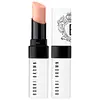 Key Ingredients
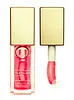
Benefits
Concerns
Ingredients Side-by-side
Hydrogenated Polyisobutene
EmollientPhytosteryl/Isostearyl/Cetyl/Stearyl/Behenyl Dimer Dilinoleate
Skin ConditioningPolyglyceryl-10 Decaisostearate
EmollientPhytosteryl/Octyldodecyl Lauroyl Glutamate
Skin ConditioningMicrocrystalline Wax
Emulsion Stabilising
Octyldodecanol
Emollient
Polyethylene
Abrasive
Cetearyl Alcohol
Emollient

Octyldodecyl Neopentanoate
EmollientCaprylic/Capric Triglyceride
Masking
Hydrogenated Olive Oil
Skin Conditioning
Ethylene/Propylene Copolymer
Abrasive
Ethylhexyl Palmitate
Emollient
Squalane
Emollient
Persea Gratissima Oil
Skin Conditioning
Simmondsia Chinensis Seed Oil
Emollient
Orbignya Oleifera Seed Oil
Emollient
Theobroma Cacao Seed Butter
Emollient
Butyrospermum Parkii Butter
Skin Conditioning
Olea Europaea Oil Unsaponifiables
Skin Conditioning
Olea Europaea Fruit Oil
Masking
Palmitoyl Tripeptide-1
Skin Conditioning

Lactic Acid
Buffering







Cholesterol
Emollient
Ceramide Ng
Skin Conditioning

Tribehenin
Emollient
Sorbitan Isostearate
Emulsifying
Sorbitan Oleate
Emulsifying
Parfum
Masking
Citral
Perfuming

Linalool
Perfuming
Limonene
Perfuming
Tocopherol
Antioxidant

BHT
Antioxidant
Ascorbyl Palmitate
Antioxidant

Tocopheryl Acetate
Antioxidant
Pentaerythrityl Tetra-Di-T-Butyl Hydroxyhydrocinnamate
Antioxidant
Mica
Cosmetic Colorant
CI 77891
Cosmetic ColorantCI 77491
Cosmetic ColorantCI 77492
Cosmetic ColorantCI 77499
Cosmetic ColorantCI 77163
Cosmetic ColorantCI 42090
Cosmetic ColorantCI 77400
Cosmetic ColorantCI 77742
Cosmetic ColorantCI 45370
Cosmetic ColorantCI 15850
Cosmetic ColorantCI 45380
Cosmetic ColorantCI 45410
Cosmetic ColorantCI 73360
Cosmetic Colorant
CI 17200
Cosmetic ColorantCI 19140
Cosmetic ColorantCI 15985
Cosmetic ColorantHydrogenated Polyisobutene, Phytosteryl/Isostearyl/Cetyl/Stearyl/Behenyl Dimer Dilinoleate, Polyglyceryl-10 Decaisostearate, Phytosteryl/Octyldodecyl Lauroyl Glutamate, Microcrystalline Wax, Octyldodecanol, Polyethylene, Cetearyl Alcohol, Octyldodecyl Neopentanoate, Caprylic/Capric Triglyceride, Hydrogenated Olive Oil, Ethylene/Propylene Copolymer, Ethylhexyl Palmitate, Squalane, Persea Gratissima Oil, Simmondsia Chinensis Seed Oil, Orbignya Oleifera Seed Oil, Theobroma Cacao Seed Butter, Butyrospermum Parkii Butter, Olea Europaea Oil Unsaponifiables, Olea Europaea Fruit Oil, Palmitoyl Tripeptide-1, Lactic Acid, Cholesterol, Ceramide Ng, Tribehenin, Sorbitan Isostearate, Sorbitan Oleate, Parfum, Citral, Linalool, Limonene, Tocopherol, BHT, Ascorbyl Palmitate, Tocopheryl Acetate, Pentaerythrityl Tetra-Di-T-Butyl Hydroxyhydrocinnamate, Mica, CI 77891, CI 77491, CI 77492, CI 77499, CI 77163, CI 42090, CI 77400, CI 77742, CI 45370, CI 15850, CI 45380, CI 45410, CI 73360, CI 17200, CI 19140, CI 15985
Polyglyceryl-2 Isostearate/Dimer Dilinoleate Copolymer
EmollientDilinoleic Acid/Propanediol Copolymer
EmollientSimmondsia Chinensis Seed Oil
Emollient
Corylus Avellana Seed Oil
Emollient
Helianthus Annuus Seed Oil
Emollient
Parfum
Masking
Vanillin
Masking
Tocopheryl Acetate
Antioxidant
Ammonium Glycyrrhizate
MaskingLithospermum Erythrorhizon Root Extract
Skin ConditioningGlycine Soja Oil
Emollient
Diisostearyl Malate
EmollientCI 42090
Cosmetic ColorantBixa Orellana Seed Oil
Emollient
Tocopherol
Antioxidant
Polyglyceryl-2 Isostearate/Dimer Dilinoleate Copolymer, Dilinoleic Acid/Propanediol Copolymer, Simmondsia Chinensis Seed Oil, Corylus Avellana Seed Oil, Helianthus Annuus Seed Oil, Parfum, Vanillin, Tocopheryl Acetate, Ammonium Glycyrrhizate, Lithospermum Erythrorhizon Root Extract, Glycine Soja Oil, Diisostearyl Malate, CI 42090, Bixa Orellana Seed Oil, Tocopherol
Reviews
Ingredients Explained
These ingredients are found in both products.
Ingredients higher up in an ingredient list are typically present in a larger amount.
Ci 42090 is a synthetic dye created from petroleum. It is used to give a bright blue color to cosmetics, medicine, and food.
Parfum is a catch-all term for an ingredient or more that is used to give a scent to products.
Also called "fragrance", this ingredient can be a blend of hundreds of chemicals or plant oils. This means every product with "fragrance" or "parfum" in the ingredients list is a different mixture.
For instance, Habanolide is a proprietary trade name for a specific aroma chemical. When used as a fragrance ingredient in cosmetics, most aroma chemicals fall under the broad labeling category of “FRAGRANCE” or “PARFUM” according to EU and US regulations.
The term 'parfum' or 'fragrance' is not regulated in many countries. In many cases, it is up to the brand to define this term.
For instance, many brands choose to label themselves as "fragrance-free" because they are not using synthetic fragrances. However, their products may still contain ingredients such as essential oils that are considered a fragrance by INCI standards.
One example is Calendula flower extract. Calendula is an essential oil that still imparts a scent or 'fragrance'.
Depending on the blend, the ingredients in the mixture can cause allergies and sensitivities on the skin. Some ingredients that are known EU allergens include linalool and citronellol.
Parfum can also be used to mask or cover an unpleasant scent.
The bottom line is: not all fragrances/parfum/ingredients are created equally. If you are worried about fragrances, we recommend taking a closer look at an ingredient. And of course, we always recommend speaking with a professional.
Learn more about ParfumThis oil comes from the seeds of the desert shrub called Jojoba. It is more commonly known as jojoba oil, a non-comedogenic oil.
Jojoba oil does not contain fragrance and has many fatty-acids, making it a great soothing ingredient.
It also contains Vitamin E, a great moisturizing ingredient. Vitamin E is also an antioxidant and protects your skin against oxidative damage.
This ingredient humectant properties, meaning it helps draw moisture from the air. This helps keep your skin hydrated.
While jojoba has antibacterial properties, it is only able to kill some strains of bacteria.
Studies also show it helps in wound healing. In fact, Indigenous cultures have used jojoba as a moisturizer and to help treat burns for centuries.
Fun fact: Jojoba oil similar to natural human skin sebum, so it has a great effect on dry skin. It is also promising with helping to regulate sebum production.
Due to its fatty acid content, Jojoba oil may not be fungal acne safe. We recommend speaking with a professional if you have any concerns.
Learn more about Simmondsia Chinensis Seed OilTocopherol (also known as Vitamin E) is a common antioxidant used to help protect the skin from free-radicals and strengthen the skin barrier. It's also fat soluble - this means our skin is great at absorbing it.
Vitamin E also helps keep your natural skin lipids healthy. Your lipid skin barrier naturally consists of lipids, ceramides, and fatty acids. Vitamin E offers extra protection for your skin’s lipid barrier, keeping your skin healthy and nourished.
Another benefit is a bit of UV protection. Vitamin E helps reduce the damage caused by UVB rays. (It should not replace your sunscreen). Combining it with Vitamin C can decrease sunburned cells and hyperpigmentation after UV exposure.
You might have noticed Vitamin E + C often paired together. This is because it is great at stabilizing Vitamin C. Using the two together helps increase the effectiveness of both ingredients.
There are often claims that Vitamin E can reduce/prevent scarring, but these claims haven't been confirmed by scientific research.
Learn more about TocopherolTocopheryl Acetate is AKA Vitamin E. It is an antioxidant and protects your skin from free radicals. Free radicals damage the skin by breaking down collagen.
One study found using Tocopheryl Acetate with Vitamin C decreased the number of sunburned cells.
Tocopheryl Acetate is commonly found in both skincare and dietary supplements.
Learn more about Tocopheryl Acetate
