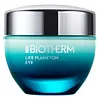
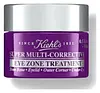
BIOTHERM Life Plankton Anti-Aging Eye Cream Versus Kiehl's Super Multi-Corrective Anti-Aging Eye Cream
This anti-aging eye moisturizer is formulated around Bifida Ferment Lysate and Vitreoscilla Ferment to soften the look of wrinkles and strengthen the skin barrier.
This anti-aging eye moisturizer is formulated around Niacinamide and Palmitoyl Tetrapeptide-7 to soften the look of wrinkles and refine skin texture.


What's inside
What's inside
 Key Ingredients
Benefits
Concerns
Ingredients Side-by-side
Water
Skin ConditioningCyclohexasiloxane
Emollient
Bifida Ferment Lysate
Skin Conditioning



Glycerin
Humectant
Propanediol
Solvent
Alcohol Denat.
Antimicrobial




Polysilicone-11

Dimethicone
Emollient
Polymethylsilsesquioxane
Di-C12-13 Alkyl Malate
EmollientAmmonium Polyacryloyldimethyl Taurate
Emulsion StabilisingCaprylic/Capric Triglyceride
Masking
Bis-PEG/PPG-16/16 PEG/PPG-16/16 Dimethicone
Emollient
PEG-10 Dimethicone
Skin Conditioning
Phenoxyethanol
Preservative
Carbomer
Emulsion StabilisingPtfe
Ceteareth-20
Cleansing
Triethanolamine
BufferingBoron Nitride
Absorbent
Chlorphenesin
Antimicrobial
Vitreoscilla Ferment
Skin Conditioning
Potassium Cetyl Phosphate
EmulsifyingAscorbyl Glucoside
Antioxidant



Hydrogenated Vegetable Oil
Emollient

Acrylates/C10-30 Alkyl Acrylate Crosspolymer
Emulsion StabilisingCI 77947
Adenosine
Skin Conditioning
Pentylene Glycol
Skin Conditioning
Trisodium Ethylenediamine Disuccinate
Synthetic Fluorphlogopite
Mica
Cosmetic ColorantSodium Hyaluronate
Humectant
Chlorhexidine Digluconate
Antimicrobial
Faex Extract
Skin ConditioningPolygonum Fagopyrum Seed Extract
Skin ConditioningSodium Benzoate
Masking
Silica
Abrasive

Chlorella Vulgaris Extract
Skin ConditioningBiosaccharide Gum-1
Humectant
Pentaerythrityl Tetra-Di-T-Butyl Hydroxyhydrocinnamate
Antioxidant
Parfum
Masking

Water, Cyclohexasiloxane, Bifida Ferment Lysate, Glycerin, Propanediol, Alcohol Denat., Polysilicone-11, Dimethicone, Polymethylsilsesquioxane, Di-C12-13 Alkyl Malate, Ammonium Polyacryloyldimethyl Taurate, Caprylic/Capric Triglyceride, Bis-PEG/PPG-16/16 PEG/PPG-16/16 Dimethicone, PEG-10 Dimethicone, Phenoxyethanol, Carbomer, Ptfe, Ceteareth-20, Triethanolamine, Boron Nitride, Chlorphenesin, Vitreoscilla Ferment, Potassium Cetyl Phosphate, Ascorbyl Glucoside, Hydrogenated Vegetable Oil, Acrylates/C10-30 Alkyl Acrylate Crosspolymer, CI 77947, Adenosine, Pentylene Glycol, Trisodium Ethylenediamine Disuccinate, Synthetic Fluorphlogopite, Mica, Sodium Hyaluronate, Chlorhexidine Digluconate, Faex Extract, Polygonum Fagopyrum Seed Extract, Sodium Benzoate, Silica, Chlorella Vulgaris Extract, Biosaccharide Gum-1, Pentaerythrityl Tetra-Di-T-Butyl Hydroxyhydrocinnamate, Parfum
Water
Skin ConditioningDimethicone
Emollient
Glycerin
Humectant
Hydroxypropyl Tetrahydropyrantriol
Skin ConditioningNiacinamide
Smoothing



Alcohol Denat.
Antimicrobial
Propylene Glycol
Humectant
Silica
Abrasive
Propanediol
Solvent
Polysilicone-11
PEG-10 Dimethicone
Skin Conditioning
Di-C12-13 Alkyl Malate
EmollientVaccinium Myrtillus Seed Oil
Skin Conditioning
Dimethicone/PEG-10/15 Crosspolymer
Hydroxyethylpiperazine Ethane Sulfonic Acid
BufferingBis-PEG/PPG-16/16 PEG/PPG-16/16 Dimethicone
Emollient
Potassium Cetyl Phosphate
EmulsifyingCarbomer
Emulsion StabilisingCeteareth-20
Cleansing
Caffeine
Skin Conditioning
Sodium Citrate
BufferingSodium Hyaluronate
Humectant
Sodium Hydroxide
BufferingSodium Lactate
Buffering
Palmitoyl Tetrapeptide-7
Skin Conditioning
Palmitoyl Tripeptide-1
Skin Conditioning
Adenosine
Skin Conditioning
Ammonium Polyacryloyldimethyl Taurate
Emulsion StabilisingBoron Nitride
Absorbent
Dipropylene Glycol
HumectantCaprylic/Capric Triglyceride
Masking
Caprylyl Glycol
Emollient
Trisodium Ethylenediamine Disuccinate
Polysorbate 20
Emulsifying
Acrylates/C10-30 Alkyl Acrylate Crosspolymer
Emulsion StabilisingButylene Glycol
Humectant
Tocopherol
Antioxidant
Pentaerythrityl Tetra-Di-T-Butyl Hydroxyhydrocinnamate
Antioxidant
Chlorhexidine Digluconate
Antimicrobial
Chlorphenesin
Antimicrobial
Water, Dimethicone, Glycerin, Hydroxypropyl Tetrahydropyrantriol, Niacinamide, Alcohol Denat., Propylene Glycol, Silica, Propanediol, Polysilicone-11, PEG-10 Dimethicone, Di-C12-13 Alkyl Malate, Vaccinium Myrtillus Seed Oil, Dimethicone/PEG-10/15 Crosspolymer, Hydroxyethylpiperazine Ethane Sulfonic Acid, Bis-PEG/PPG-16/16 PEG/PPG-16/16 Dimethicone, Potassium Cetyl Phosphate, Carbomer, Ceteareth-20, Caffeine, Sodium Citrate, Sodium Hyaluronate, Sodium Hydroxide, Sodium Lactate, Palmitoyl Tetrapeptide-7, Palmitoyl Tripeptide-1, Adenosine, Ammonium Polyacryloyldimethyl Taurate, Boron Nitride, Dipropylene Glycol, Caprylic/Capric Triglyceride, Caprylyl Glycol, Trisodium Ethylenediamine Disuccinate, Polysorbate 20, Acrylates/C10-30 Alkyl Acrylate Crosspolymer, Butylene Glycol, Tocopherol, Pentaerythrityl Tetra-Di-T-Butyl Hydroxyhydrocinnamate, Chlorhexidine Digluconate, Chlorphenesin
Reviews
Ingredients Explained
These ingredients are found in both products.
Ingredients higher up in an ingredient list are typically present in a larger amount.
Acrylates/C10-30 Alkyl Acrylate Crosspolymer is a synthetic polymer. It is used to thicken, emulsify, and improve the texture of products.
As an emulsifier, it helps stabilize oil-in-water emulsions to give products an elegant feel when applied.
It can also form a thin protective film on skin. One study found that a formula using this polymer helped slow down how quickly other ingredients (like DEET) were absorbed through skin.
A 2024 study of over 1,300 patients confirmed that sensitization to this ingredient is rare. It is also non-mutagenic and has a clean track record.
Learn more about Acrylates/C10-30 Alkyl Acrylate CrosspolymerAdenosine is a purine nucleoside that your body already makes in every cell. In skincare, it acts mainly as a skin conditioning and anti-aging agent.
The way it works is fairly well mapped out:
Your skin has cells called fibroblasts that build collagen (the stuff that keeps skin firm and smooth). Adenosine basically flips a switch on these cells that tells them to get to work making more collagen and other proteins. These cells slow down on their own as skin ages, so Adenosine helps give them a little nudge to keep going.
The clinical backing is pretty solid too.
A blind, randomized, placebo-controlled trial of 126 women aged 45-65 tested a 0.1% cream twice daily and found real improvements in crow's feet and frown lines using a precise 3D skin-mapping technique; these changes showed up by week 3 and held at 2 months.
A later study using Adenosine-loaded dissolving microneedle patches reported gains in wrinkle depth, dermal density, elasticity, and hydration.
On concentrations, South Korea's Ministry of Food and Drug Safety has set 0.04% as the approved functional anti-wrinkle level. You'll typically see this ingredient used somewhere in the 0.04-0.1% range since it works at low doses.
This ingredient has been found safe for cosmetics with the data showing no irritation or sensitization.
Overall, this is a great ingredient for any anti-aging routine and has no photosensitizing effect, so it suits both AM and PM use.
Learn more about AdenosineAlcohol Denat. is an alcohol with a denaturant property. It is created by mixing ethanol with other additives.
The "denat" part just means "denatured"; common denaturants include Denatonium Benzoate, t-butyl alcohol, and Diethyl Phthalate. This step makes the alcohol undrinkable (and lets brand skip taxes related to beverage alcohol).
This ingredient gets a bad rep because it is irritating and drying due to its astringent property. Astringents draw out natural oils in tissue to constrict pores and dry out your skin.
However, alcohol denat. is not all that bad.
Due to its low molecular weight, alcohol denat. tends to evaporate quickly. One study on pig skin found half of applied alcohol evaporated in 10 seconds and less than 3% stayed on skin.
This also helps other ingredients become better absorbed upon application.
Studies are conflicted about whether this ingredient causes skin dehydration. One study from 2005 found adding emollients to propanol-based sanitizer decreased skin dryness and irritation. Another study found irritation only occurs if your skin is already damaged.
Small amounts of alcohol are generally tolerated by oily skin or people who live in humid environments.
The rule of thumb is this ingredient will probably not affect your skin much if it is near the end of an ingredients list.
One thing to note:
People with ALDH2 (aldehyde dehydrogenase 2) deficiency may experience skin irritation from continued alcohol use. About 8% of the world's population have this deficiency.
The Cosmetic Ingredient Review Expert Panel has determined denatured alcohols to be safe for use in concentrations between 0.05% and 12% (depending on which denaturant is used).
Also...
This ingredient has antimicrobial and solvent properties.
The antimicrobial property helps preserve products and increase their shelf life. As a solvent, it helps dissolve other ingredients.
Look for formulas that contain glycerin, hyaluronic acid, or panthenol if you want to offset any drying effect.
This ingredient will trip away your skin's natural oils/lipids that help it lock in moisture. This can worsen dryness, trigger eczema flare-ups, and aggravate rosacea.
Be sure to patch test any product with this ingredient if you have dry or sensitive skin, eczema, or rosacea.
Learn more about Alcohol Denat.Ammonium Polyacryloyldimethyl Taurate is a polymer made from ammonium salts. It works as a thickener, emulsifier, and texture enhancer that gives gel-creams a silky, lightweight feel.
This ingredient is versatile and low-maintenance so manufacturers love working with it.
Typical usage levels in cosmetics are usually low and in the range of 0.015 - 2.3%.
Learn more about Ammonium Polyacryloyldimethyl TaurateBis-PEG/PPG-16/16 PEG/PPG-16/16 Dimethicone is a type of silicone.
Boron Nitride is compound consisting of boron and nitrogen. It is used to absorb oil and modify adherence/ slip in products.
This means it is often used in makeup products to help them last longer.
Caprylic/Capric Triglyceride (aka MCT Oil) is a lightweight emollient, solvent, and texture enhancer. It is considered a skin-softener by helping to prevent moisture loss.
Though it behaves like an oil, it is not technically one due to its chemical composition. One perk of this ingredient is that it is very stable, resistant to oxidation, and unlikely to go rancid.
In practice, that translates to a long shelf life and a consistently elegant skin feel.
While there is an assumption Caprylic Triglyceride can clog pores due to it being derived from coconut oil, there is no research supporting this. Just patch test if you have concerns.
Fractionated coconut oil and MCT Oil are both listed as Caprylic/Capric Triglyceride according to INCI. This is because INCI names are based on the ingredient’s final chemical composition and not its marketing name or source.
This ingredient is treated as the gold standard fungal acne safe oil. Even though it is coconut derived, the problematic lauric acid is stripped out.
This leaves just caprylic (C8) and capric (C10) acid. These chain lengths actually trend antifungal; a 2020 study found caprylic acid was enough to disrupt Malassezia furfur cell membrane, with a caprylic acid derivative damaging membrane structures at concentrations as low as 0.2%.
Learn more about Caprylic/Capric TriglycerideCarbomer is a synthetic thickening and gelling agent. It's basically the ingredient that gives a lot of serums, gels, creams, and sunscreens their smooth, non-sticky texture.
Although legally permitted at very high levels, carbomers are normally used at concentrations below 1%.
It also needs to be neutralized to actually thicken, and because it is a large molecule, it doesn't really penetrate the skin barrier.
Allergy-wise, the risk is very low. Clinical studies show carbomers have low potential for skin irritation/sensitization even at concentrations up to 100%.
A 2024 UK study patch-tested 1,302 patients and found true allergy to the parent group of carbomer to be rare with no confirmed relevant reactions.
Learn more about CarbomerCeteareth-20 is an emulsifier and surfactant made by reacting cetearyl alcohol with 20 moles of ethylene oxide.
This gives it both oil and water-loving properties that makes it an effect emulsifier; it's really great at pulling oil droplets into water to create a stable, creamy, and easy-to-spread base.
Typical use ranges from 0.5-30%. Most leave-on products are in the 1-10% zone.
The 20 ethylene oxide units is well above the PEG-10 threshold and therefore not a food source for Malassezia (it's fungal acne safe).
This ingredient has a comedogenic rating of 2 and an irritancy rating of 3. These numbers come from testing the raw ingredient on rabbit ears and doesn't reflect how it will behave in a finished product.
In practice, this ingredient is a well-tolerated ingredient. The ratings reflect cautious lab conditions and not real-world use. Just be sure to patch test any formulas you feel unsure about.
Learn more about Ceteareth-20Chlorhexidine Digluconate is a preservative.
Chlorphenesin is a synthetic preservative. It helps protect a product against bacteria in order to extend shelf life. In most cases, Chlorphenesin is paired with other preservatives such as phenoxyethanol and caprylyl glycol.
Chlorphenesin is a biocide. This means it is able to help fight the microorganisms on our skin. It is also able to fight odor-releasing bacteria.
Chlorphenesin is soluble in both water and glycerin.
Studies show Chlorphenesin is easily absorbed by our skin. You should speak with a skincare professional if you have concerns about using Chlorphenesin.
Learn more about ChlorphenesinWe don't have a description for Di-C12-13 Alkyl Malate yet.
Dimethicone is a type of synthetic silicone created from natural materials such as quartz. It is also known as polydimethylsiloxane.
What it does:
Dimethicone comes in different viscosities:
Depending on the viscosity, dimethicone has different properties.
Ingredients lists don't always show which type is used, so we recommend reaching out to the brand if you have questions about the viscosity.
This ingredient is unlikely to cause irritation because it does not get absorbed into skin. However, people with silicone allergies should be careful about using this ingredient.
Note: Dimethicone may contribute to pilling. This is because it is not oil or water soluble, so pilling may occur when layered with products. When mixed with heavy oils in a formula, the outcome is also quite greasy.
Learn more about DimethiconeGlycerin (or glycerol) is a compound naturally found in your skin. It's a powerhouse humectant that pulls water into the stratum corneum.
Topically, glycerin does several things at once:
Your skin makes glycerin on its own (mostly from sebaceous oil breakdown) and shuttles it to your outermost layer of skin, or your epidermis, via aquaporin-3.
Aquaporin-3 is a transporter that is essential for normal skin hydration, elasticity, and repair. Interestingly, mice lacking in AQP3 have dry and less elastic skin that can be fully corrected with glycerin.
This ingredient is non-irritating, plays well with almost every ingredient, and works across all skin types. Typical use is anywhere between 3-10% but can go up to 79% in some leave-on products.
Just know very high concentrations (>40%) can feel tacky in low humidity.
Glycerin is the name for this ingredient in American English. British English uses Glycerol/Glycerine.
Learn more about GlycerinPeg-10 Dimethicone is silicone with conditioner and emulsifier properties. It mostly acts as an emollient in skincare and and humectant in haircare.
According to the manufacturer, acidic formulations decrease the stability of this ingredient. It works best in neutral or near neutral formulations.
Pentaerythrityl Tetra-Di-T-Butyl Hydroxyhydrocinnamate (long name, huh?) is a synthetic antioxidant.
It is used to help stabilize other antioxidants or prevent the color from changing in a product.
As an antioxidant, it helps fight free-radical molecules. Free-radical molecules are capable of damaging our cells and other genetic material. Thus, antioxidants may reduce the signs of aging.
This ingredient is oil-soluble.
Learn more about Pentaerythrityl Tetra-Di-T-Butyl HydroxyhydrocinnamatePolysilicone-11 is a film-forming silicone that creates a non-tacky and matte finish on the skin. It's commonly used to improve texture, absorb excess oil, and help active ingredients spread evenly.
Due to its "rubber-like" structure, it stays on the skin's surface instead of being absorbed. On the skin, it creates a flexible layer that enhances wearability and stability.
Potassium Cetyl Phosphate is the potassium salt of a mixture. This mixture consists of the esters from phosphoricacid and cetyl alcohol.
Potassium Cetyl Phosphate is an emulsifier and cleansing agent. Emulsifiers help stabilize a product. It does this by preventing certain ingredients from separating.
As a cleansing agent, Potassium Cetyl Phosphate helps gather oils, dirts, and pollutants from your skin. This makes it easier to rinse them away with water.
Learn more about Potassium Cetyl PhosphatePropanediol is an all-star ingredient. It softens, hydrates, and smooths the skin.
It’s often used to:
Propanediol is not likely to cause sensitivity and considered safe to use. It is derived from corn or petroleum with a clear color and no scent.
Learn more about PropanediolSilica, also known as silicon dioxide, is a naturally occurring mineral. It is used as a fine, spherical, and porous powder in cosmetics.
Though it has exfoliant properties, the function of silica varies depending on the product.
The unique structure of silica enhances the spreadability and adds smoothness, making it a great texture enhancer.
It is also used as an active carrier, emulsifier, and mattifier due to its ability to absorb excess oil.
In some products, tiny microneedles called spicules are made from silica or hydrolyzed sponge. When you rub them in, they lightly polish away dead skin layers and enhance the penetration of active ingredients.
Learn more about SilicaSodium Hyaluronate is the salt form of hyaluronic acid. It is a long sugar chain that is naturally found in your skin, joints, and connective tissue that maintains hydration and elasticity.
In skincare, it works as a humectant. It pulls water from the environment and deeper layers of skin and binds it to the surface.
Interestingly, the size of the molecule affects its behavior:
Some clinical evidence links low molecular weight versions to improved wrinkle depth, elasticity, anti-inflammatory effects, and barrier repair.
Many serums use a blend of both weights so you can get surface hydration plus longer-lasting and deeper effects.
You'll typically see concentrations between 0.1-2% for this ingredient.
Learn more about Sodium HyaluronateTrisodium Ethylenediamine Disuccinate is used to help stabilize a product.
It is a chelating agent, meaning it helps prevent metal ions from binding to other ingredients. This prevents unwanted reactions in products. Metal ions can come into a product via the water ingredient. They are found in trace amounts and are not known to be harmful.
Water. It's the most common cosmetic ingredient of all. You'll usually see it at the top of ingredient lists, meaning that it makes up the largest part of the product.
So why is it so popular? Water most often acts as a solvent - this means that it helps dissolve other ingredients into the formulation.
You'll also recognize water as that liquid we all need to stay alive. If you see this, drink a glass of water. Remember to stay hydrated!
Learn more about Water

