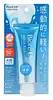
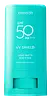
Biore UV Aqua Rich Watery Essence SPF 50+ PA++++ Versus Wardah UV Shield Light Matte Sun Stick SPF 50 PA++++


What's inside
What's inside
 Key Ingredients
Benefits
Concerns
Ingredients Side-by-side
Water
Skin ConditioningAlcohol
Antimicrobial




Ethylhexyl Methoxycinnamate
UV Absorber

Ethylhexyl Triazone
UV Absorber
Isopropyl Palmitate
Emollient


Lauryl Methacrylate/Sodium Methacrylate Crosspolymer
Diethylamino Hydroxybenzoyl Hexyl Benzoate
UV Filter
Hydrogenated Polyisobutene
EmollientBis-Ethylhexyloxyphenol Methoxyphenyl Triazine
Skin Conditioning
Dextrin Palmitate
Emulsifying
Butylene Glycol
Humectant

Xylitol
Humectant
Acrylates/C10-30 Alkyl Acrylate Crosspolymer
Emulsion StabilisingDimethicone
Emollient

C12-15 Alkyl Benzoate
AntimicrobialGlycerin
Humectant
Glyceryl Stearate
Emollient
Propanediol
Solvent
Glyceryl Behenate
Emollient
Vinyl Dimethicone/Methicone Silsesquioxane Crosspolymer

Cetearyl Alcohol
Emollient

Agar
MaskingSorbitan Distearate
EmollientIsoceteth-20
EmulsifyingPolyvinyl Alcohol
Dimethicone/Vinyl Dimethicone Crosspolymer
Skin Conditioning
Stearoyl Glutamic Acid
CleansingArginine
Masking
Potassium Hydroxide
BufferingSodium Hydroxide
BufferingRoyal Jelly Extract
Skin Conditioning
Sodium Hyaluronate
Humectant


Phenoxyethanol
Preservative
Disodium EDTA
BHT
Antioxidant
Parfum
Masking

Water, Alcohol, Ethylhexyl Methoxycinnamate, Ethylhexyl Triazone, Isopropyl Palmitate, Lauryl Methacrylate/Sodium Methacrylate Crosspolymer, Diethylamino Hydroxybenzoyl Hexyl Benzoate, Hydrogenated Polyisobutene, Bis-Ethylhexyloxyphenol Methoxyphenyl Triazine, Dextrin Palmitate, Butylene Glycol, Xylitol, Acrylates/C10-30 Alkyl Acrylate Crosspolymer, Dimethicone, C12-15 Alkyl Benzoate, Glycerin, Glyceryl Stearate, Propanediol, Glyceryl Behenate, Vinyl Dimethicone/Methicone Silsesquioxane Crosspolymer, Cetearyl Alcohol, Agar, Sorbitan Distearate, Isoceteth-20, Polyvinyl Alcohol, Dimethicone/Vinyl Dimethicone Crosspolymer, Stearoyl Glutamic Acid, Arginine, Potassium Hydroxide, Sodium Hydroxide, Royal Jelly Extract, Sodium Hyaluronate, Phenoxyethanol, Disodium EDTA, BHT, Parfum
C12-15 Alkyl Benzoate
AntimicrobialOctocrylene
UV Absorber
Homosalate
Skin Conditioning
Silica
Abrasive

Bis-Ethylhexyloxyphenol Methoxyphenyl Triazine
Skin Conditioning
Polyethylene
Abrasive
Tribehenin
Emollient
Dimethicone/Vinyl Dimethicone Crosspolymer
Skin Conditioning
Isohexadecane
EmollientEthylhexyl PCA
HumectantMea-Salicylate
Preservative
Butyl Methoxydibenzoylmethane
UV Absorber
Butyloctyl Salicylate
Skin Conditioning
Dimethicone
Emollient
Polymethyl Methacrylate
Phenoxyethanol
Preservative
Tocopheryl Acetate
Antioxidant

Ethylhexylglycerin
Skin ConditioningTocopherol
Antioxidant
Parfum
Masking
C12-15 Alkyl Benzoate, Octocrylene, Homosalate, Silica, Bis-Ethylhexyloxyphenol Methoxyphenyl Triazine, Polyethylene, Tribehenin, Dimethicone/Vinyl Dimethicone Crosspolymer, Isohexadecane, Ethylhexyl PCA, Mea-Salicylate, Butyl Methoxydibenzoylmethane, Butyloctyl Salicylate, Dimethicone, Polymethyl Methacrylate, Phenoxyethanol, Tocopheryl Acetate, Ethylhexylglycerin, Tocopherol, Parfum
Reviews
Ingredients Explained
These ingredients are found in both products.
Ingredients higher up in an ingredient list are typically present in a larger amount.
This ingredient is better known as bemotrizinol or Tinosorb S and is one of the best broad-spectrum UV filters in modern sunscreen.
It works by absorbing UV light across a whole range (280-400 nm) with peaks around 310 nm (UVB) and 340-345 nm (UVA). This means it covers UVB plus the deeper UVA wavelengths that drive photoaging and pigmentation.
Another pro?
It's exceptionally photostable, barely degrades in sunlight, and acts as a "bodyguard" for less stable filters.
That's why you'll see it paired with avobenzone or octinoxate; this team up ensures they keep working through sun exposure.
Safety reviews have been reassuring across the board. This ingredient shows low absorption through the skin, rarely irritates, and lab studies found it doesn't act like a hormone in the body (a concern that's been raised about some older sunscreen filters).
On maximum concentrations:
In 2026, the US F.D.A finally added it as an OTC sunscreen ingredient at concentrations up to 6% for adults / children 6 months and older
Learn more about Bis-Ethylhexyloxyphenol Methoxyphenyl TriazineC12-15 Alkyl Benzoate is a lightweight emollient made by combinig benzoic acid with fatty alcohols that are 12-15 carbons long.
In cosmetics, it plays several roles:
The Cosmetic Review Expert Panel has concluded the alkyl benzoate group to be safe as used in cosmetics; it wasn't found to be a skin irritant and unlikely to be absorbed due to its low water solubility.
This report recorded almost 1000 reported uses with concentrations up to 59% in leave-on products but your cosmetics will typically use 0.5-15% depending on the product.
It's often called a "SPF booster": this is because it keeps UV filters properly dissolved and evenly distributed to support a sunscreen's performance. It doesn't actually raise SPF on its own.
Overall, this ingredient is well tolerated.
This ingredient is fungal acne safe because it is an ester of benzoic acid.
Think of this ingredient as two parts stuck together: an oily part and an acid part. Malassezia only gets a meal when it can snip off a fatty acid to eat. With C12-15 Alkyl Benzoate, the acid part is benzoic acid, which isn't a fatty acid and which the yeast can't use as food.
Benzoic acid is actually used as a preservative to stop yeast from growing.
The oily part is a blend of C12-15 fatty alcohols but fatty alcohols in this size range can support only a little Malassezia growth (mostly for one species of Malassezia as well).
In the ingredient, those alcohols stay locked inside the molecule. The yeast can only reach them by snipping the benzoate bond, and that type of bond is harder for it to cut than a normal fatty bond.
So not much gets released. And whatever does get snipped comes packaged with benzoic acid, which discourages yeast growth.
Learn more about C12-15 Alkyl BenzoateDimethicone is a type of synthetic silicone created from natural materials such as quartz. It is also known as polydimethylsiloxane.
What it does:
Dimethicone comes in different viscosities:
Depending on the viscosity, dimethicone has different properties.
Ingredients lists don't always show which type is used, so we recommend reaching out to the brand if you have questions about the viscosity.
This ingredient is unlikely to cause irritation because it does not get absorbed into skin. However, people with silicone allergies should be careful about using this ingredient.
Note: Dimethicone may contribute to pilling. This is because it is not oil or water soluble, so pilling may occur when layered with products. When mixed with heavy oils in a formula, the outcome is also quite greasy.
Learn more about DimethiconeThis ingredient is a silicone elastomer that works as a texture enhancer, adds a silky slip, and also helps absorb excess oil.
Because it's a large macromolecule that's insoluble in water and chemically inert, it's not expected to penetrate or be absorbed into skin.
Human patch tests with a facial lotion containing 1% of this ingredient found no sensitization.
Learn more about Dimethicone/Vinyl Dimethicone CrosspolymerParfum is a catch-all term for an ingredient or more that is used to give a scent to products.
Also called "fragrance", this ingredient can be a blend of hundreds of chemicals or plant oils. This means every product with "fragrance" or "parfum" in the ingredients list is a different mixture.
For instance, Habanolide is a proprietary trade name for a specific aroma chemical. When used as a fragrance ingredient in cosmetics, most aroma chemicals fall under the broad labeling category of “FRAGRANCE” or “PARFUM” according to EU and US regulations.
The term 'parfum' or 'fragrance' is not regulated in many countries. In many cases, it is up to the brand to define this term.
For instance, many brands choose to label themselves as "fragrance-free" because they are not using synthetic fragrances. However, their products may still contain ingredients such as essential oils that are considered a fragrance by INCI standards.
One example is Calendula flower extract. Calendula is an essential oil that still imparts a scent or 'fragrance'.
Depending on the blend, the ingredients in the mixture can cause allergies and sensitivities on the skin. Some ingredients that are known EU allergens include linalool and citronellol.
Parfum can also be used to mask or cover an unpleasant scent.
The bottom line is: not all fragrances/parfum/ingredients are created equally. If you are worried about fragrances, we recommend taking a closer look at an ingredient. And of course, we always recommend speaking with a professional.
Learn more about ParfumPhenoxyethanol is a preservative that has germicide, antimicrobial, and aromatic properties. Studies show that phenoxyethanol can prevent microbial growth. By itself, it has a scent that is similar to that of a rose.
It's often used in formulations along with Caprylyl Glycol to preserve the shelf life of products.

