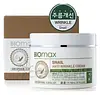
This anti-aging moisturizer is formulated around Adenosine and Niacinamide to soften the look of wrinkles.
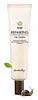
This barrier-repair eye moisturizer is formulated around Niacinamide and Squalane to strengthen the skin barrier and hydrate skin.

What's inside
What's inside
 Key Ingredients
Benefits
Concerns
Ingredients Side-by-side
Achillea Millefolium Extract
CleansingAdenosine
Skin Conditioning


Alcohol
Antimicrobial




Allantoin
Skin Conditioning


Arnica Montana Flower Extract
Masking
Artemisia Absinthium Extract
Skin ConditioningButylene Glycol
Humectant
Cetearyl Alcohol
Emollient




Cyclopentasiloxane
Emollient
Dimethicone
Emollient
Gentiana Lutea Root Extract
Skin ConditioningGlycerin
Humectant
Glyceryl Stearate
Emollient
Pentaerythrityl Tetraethylhexanoate
Emollient
Niacinamide
Smoothing






Polysorbate 60
Emulsifying
PEG-100 Stearate
Surfactant
Palmitic Acid
Emollient
Stearic Acid
Cleansing
Sodium Polyacrylate
Absorbent
Sorbitan Stearate
Emulsifying
Sodium Acrylate/Sodium Acryloyldimethyl Taurate Copolymer
Emulsion StabilisingTuna Extract
Skin ConditioningDisodium EDTA
ChelatingPropylparaben
Preservative


Potassium Sorbate
Preservative
CI 15985
Cosmetic ColorantCI 19140
Cosmetic ColorantParfum
Masking
Achillea Millefolium Extract, Adenosine, Alcohol, Allantoin, Arnica Montana Flower Extract, Artemisia Absinthium Extract, Butylene Glycol, Cetearyl Alcohol, Cyclopentasiloxane, Dimethicone, Gentiana Lutea Root Extract, Glycerin, Glyceryl Stearate, Pentaerythrityl Tetraethylhexanoate, Niacinamide, Polysorbate 60, PEG-100 Stearate, Palmitic Acid, Stearic Acid, Sodium Polyacrylate, Sorbitan Stearate, Sodium Acrylate/Sodium Acryloyldimethyl Taurate Copolymer, Tuna Extract, Disodium EDTA, Propylparaben, Potassium Sorbate, CI 15985, CI 19140, Parfum
Water
Skin ConditioningCetearyl Alcohol
Emollient
Macadamia Ternifolia Seed Oil
Emollient
Niacinamide
Smoothing
Butylene Glycol
Humectant
Steareth-2
EmulsifyingSqualane
Emollient
Bear Oil
Emollient
Hydrogenated Cottonseed Oil
Emollient
Steareth-21
CleansingCetyl Alcohol
Emollient
Abies Alba Seed Extract
Antimicrobial
Beta-Glucan
Skin Conditioning
Simmondsia Chinensis Seed Oil
Emollient
Panthenol
Skin Conditioning
Hydrogenated Palm Oil
Emollient
Oligopeptide-1
Skin Conditioning
Saccharomyces/Caragana Sinica Root Ferment Extract
Antioxidant
Dimethicone
Emollient
Propylene Glycol
Humectant
Lecithin
Emollient
Propylparaben
Preservative
Parfum
Masking
Water, Cetearyl Alcohol, Macadamia Ternifolia Seed Oil, Niacinamide, Butylene Glycol, Steareth-2, Squalane, Bear Oil, Hydrogenated Cottonseed Oil, Steareth-21, Cetyl Alcohol, Abies Alba Seed Extract, Beta-Glucan, Simmondsia Chinensis Seed Oil, Panthenol, Hydrogenated Palm Oil, Oligopeptide-1, Saccharomyces/Caragana Sinica Root Ferment Extract, Dimethicone, Propylene Glycol, Lecithin, Propylparaben, Parfum
Ingredients Explained
These ingredients are found in both products.
Ingredients higher up in an ingredient list are typically present in a larger amount.
Butylene Glycol (or BG) is used within cosmetic products for a few different reasons:
Overall, Butylene Glycol is a safe and well-rounded ingredient that works well with other ingredients.
Though this ingredient works well with most skin types, some people with sensitive skin may experience a reaction such as allergic rashes, closed comedones, or itchiness.
Learn more about Butylene GlycolCetearyl alcohol is a waxy mixture of two fatty alcohols: cetyl alcohol and stearyl alcohol. It is an emollient and emulsifier.
Despite having "alcohol" in its name, it has nothing to do with drying solvent alcohols; the FDA also allows "alcohol-free" products to contain fatty alcohols like this ingredient.
It plays several roles in a formula:
Typical use levels for this ingredient sit around 1-10% and the Cosmetic Ingredient Review Expert Panel has affirmed safety at concentrations up to 25% in leave-on products.
Multiple assessments have found it to be non-irritating and non-sensitizing to most people.
However, there have been some cases of allergic contact dermatitis in patients with chronically compromised skin barriers.
Cetearyl alcohol has a comedogenic rating of 2 and irritancy rating of 1. Both of these numbers come from the 1989 study that used rabbit ears; a "2" means mildly comedogenic and a "1" means low irritancy.
Here's the catch: rabbit skin is more sensitive than human skin and throws a lot of false positives. A 1996 reappraisal found that ingredients rated 1-2 in the rabbit ear tests are generally safe for humans.
Remember comedogenic ratings are unable to assess the entire formula of a product or how it will react on your skin. Just be sure to patch test if you are unsure about certain ingredients.
This ingredient is not fungal acne safe. Cetearyl alcohol is a fatty alcohol with chain lengths that fall within the range that Malassezia can metabolize.
A 2019 study has also observed Malassezia growth in the presence of this ingredient, confirming it to be not-fungal acne safe.
Learn more about Cetearyl AlcoholDimethicone is a type of synthetic silicone created from natural materials such as quartz. It is also known as polydimethylsiloxane.
What it does:
Dimethicone comes in different viscosities:
Depending on the viscosity, dimethicone has different properties.
Ingredients lists don't always show which type is used, so we recommend reaching out to the brand if you have questions about the viscosity.
This ingredient is unlikely to cause irritation because it does not get absorbed into skin. However, people with silicone allergies should be careful about using this ingredient.
Note: Dimethicone may contribute to pilling. This is because it is not oil or water soluble, so pilling may occur when layered with products. When mixed with heavy oils in a formula, the outcome is also quite greasy.
Learn more about DimethiconeNiacinamide is a multitasking form of vitamin B3 that strengthens the skin barrier, reduces pores and dark spots, regulates oil, and improves signs of aging.
And the best part? It's gentle and well-tolerated by most skin types, including sensitive and reactive skin.
You might have heard of "niacin flush", or the reddening of skin that causes itchiness. Niacinamide has not been found to cause this.
In very rare cases, some individuals may not be able to tolerate niacinamide at all or experience an allergic reaction to it.
If you are experiencing flaking, irritation, and dryness with this ingredient, be sure to double check all your products as this ingredient can be found in all categories of skincare.
When incorporating niacinamide into your routine, look out for concentration amounts. Typically, 5% niacinamide provides benefits such as fading dark spots. However, if you have sensitive skin, it is better to begin with a smaller concentration.
When you apply niacinamide to your skin, your body converts it into nicotinamide adenine dinucleotide (NAD). NAD is an essential coenzyme that is already found in your cells as "fuel" and powers countless biological processes.
In your skin, NAD helps repair cell damage, produce new healthy cells, support collagen production, strengthen the skin barrier, and fight environmental stressors (like UV and pollution).
Our natural NAD levels start to decline with age, leading to slower skin repair, visible aging, and a weaker skin barrier. By providing your skin niacinamide, you're recharging your skin's NAD levels. This leads to stronger, healthier, and younger looking skin.
Another name for vitamin B3 is nicotinamide. This vitamin is water-soluble and our bodies don't store it. We obtain Vitamin B3 from either food or skincare. Meat, fish, wheat, yeast, and leafy greens contain vitamin B3.
The type of niacinamide used in skincare is synthetically created.
Learn more about NiacinamideParfum is a catch-all term for an ingredient or more that is used to give a scent to products.
Also called "fragrance", this ingredient can be a blend of hundreds of chemicals or plant oils. This means every product with "fragrance" or "parfum" in the ingredients list is a different mixture.
For instance, Habanolide is a proprietary trade name for a specific aroma chemical. When used as a fragrance ingredient in cosmetics, most aroma chemicals fall under the broad labeling category of “FRAGRANCE” or “PARFUM” according to EU and US regulations.
The term 'parfum' or 'fragrance' is not regulated in many countries. In many cases, it is up to the brand to define this term.
For instance, many brands choose to label themselves as "fragrance-free" because they are not using synthetic fragrances. However, their products may still contain ingredients such as essential oils that are considered a fragrance by INCI standards.
One example is Calendula flower extract. Calendula is an essential oil that still imparts a scent or 'fragrance'.
Depending on the blend, the ingredients in the mixture can cause allergies and sensitivities on the skin. Some ingredients that are known EU allergens include linalool and citronellol.
Parfum can also be used to mask or cover an unpleasant scent.
The bottom line is: not all fragrances/parfum/ingredients are created equally. If you are worried about fragrances, we recommend taking a closer look at an ingredient. And of course, we always recommend speaking with a professional.
Learn more about ParfumPropylparaben is a preservative and one of the most widely used members of the paraben family (it's been used in cosmetics for over a century now).
It works by disrupting microbial cell membranes and enzymes, and is a broad-spectrum protector that works exceptionally well against molds, yeasts, and gram-positive bacteria.
You'll likely see it paired with methylparaben to cover the full range (including gram-negative bacteria).
This ingredient is effective at low concentrations (~0.2-0.5%) and stable across a wide pH range (4.5-7.5 pH). It's effectiveness drops off above pH 8 and it can lose potency when combined with non-ionic surfactants like polysorbate 80 due to micellization.
The regulatory bodies have concluded this ingredient to be safe as used in cosmetics. The EU has capped it at 0.14% and combined parabens are not to exceed 0.8%.
While parabens do cross the stratum corneum, only about 1% remains for absorption into the body. This is because most of it is metabolized within living skin.
Learn more about Propylparaben


