
What's inside
What's inside
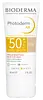 Key Ingredients
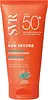
Benefits
Concerns
Ingredients Side-by-side
Water
Skin ConditioningDiethylamino Hydroxybenzoyl Hexyl Benzoate
UV Filter
Homosalate
Skin Conditioning
Diisopropyl Sebacate
EmollientBis-Ethylhexyloxyphenol Methoxyphenyl Triazine
Skin Conditioning
Dibutyl Adipate
EmollientPropanediol
Solvent

Ethylhexyl Salicylate
UV Absorber
Ethylhexyl Triazone
UV Absorber
Glycerin
Humectant
Silica
Abrasive


Potassium Cetyl Phosphate
EmulsifyingGlyceryl Stearate
Emollient
PEG-100 Stearate
Propylene Glycol
Humectant

Polyacrylate Crosspolymer-6
Emulsion StabilisingStearyl Glycyrrhetinate
Skin ConditioningTocopheryl Acetate
Antioxidant


CI 77891
Cosmetic ColorantCapryloyl Glycine
CleansingSodium Citrate
BufferingXanthan Gum
EmulsifyingGlycine Soja Germ Extract
EmollientEctoin
Skin Conditioning



Mannitol
Humectant
Xylitol
Humectant
Citric Acid
Buffering
Ginkgo Biloba Leaf Extract
Skin Conditioning
Sodium Hydroxide
BufferingCI 77492
Cosmetic ColorantRhamnose
HumectantCI 77491
Cosmetic ColorantCI 77499
Cosmetic ColorantHydrogenated Lecithin
Emulsifying
Lauroyl Lysine
Skin Conditioning
Fructooligosaccharides
Humectant
Caprylic/Capric Triglyceride
Masking
Laminaria Ochroleuca Extract
Skin Conditioning
Water, Diethylamino Hydroxybenzoyl Hexyl Benzoate, Homosalate, Diisopropyl Sebacate, Bis-Ethylhexyloxyphenol Methoxyphenyl Triazine, Dibutyl Adipate, Propanediol, Ethylhexyl Salicylate, Ethylhexyl Triazone, Glycerin, Silica, Potassium Cetyl Phosphate, Glyceryl Stearate, PEG-100 Stearate, Propylene Glycol, Polyacrylate Crosspolymer-6, Stearyl Glycyrrhetinate, Tocopheryl Acetate, CI 77891, Capryloyl Glycine, Sodium Citrate, Xanthan Gum, Glycine Soja Germ Extract, Ectoin, Mannitol, Xylitol, Citric Acid, Ginkgo Biloba Leaf Extract, Sodium Hydroxide, CI 77492, Rhamnose, CI 77491, CI 77499, Hydrogenated Lecithin, Lauroyl Lysine, Fructooligosaccharides, Caprylic/Capric Triglyceride, Laminaria Ochroleuca Extract
Water
Skin ConditioningSilica
Abrasive
Isododecane
EmollientDiethylamino Hydroxybenzoyl Hexyl Benzoate
UV Filter
Dicaprylyl Carbonate
EmollientIsopropyl Lauroyl Sarcosinate
Skin ConditioningEthylhexyl Triazone
UV Absorber
Beheneth-25
CleansingDiethylhexyl Butamido Triazone
UV Absorber
Bis-Ethylhexyloxyphenol Methoxyphenyl Triazine
Skin Conditioning
Coco-Caprylate/Caprate
Emollient
Dimethicone/Bis-Isobutyl PPG-20 Crosspolymer
Emollient
Pentylene Glycol
Skin Conditioning
Cetearyl Alcohol
Emollient


1,2-Hexanediol
Skin Conditioning
Niacinamide
Smoothing



CI 15850
Cosmetic ColorantGlycine Soja Oil
Emollient
Lecithin
Emollient
Lepidium Sativum Sprout Extract
Skin ConditioningGlycerin
Humectant
Tocopherol
Antioxidant
Caprylyl Glycol
Emollient
Ethylhexylglycerin
Skin ConditioningSodium Polyacrylate Starch
AbsorbentTriethoxycaprylylsilane
Coco-Glucoside
Cleansing
Parfum
Masking

CI 77492
Cosmetic ColorantWater, Silica, Isododecane, Diethylamino Hydroxybenzoyl Hexyl Benzoate, Dicaprylyl Carbonate, Isopropyl Lauroyl Sarcosinate, Ethylhexyl Triazone, Beheneth-25, Diethylhexyl Butamido Triazone, Bis-Ethylhexyloxyphenol Methoxyphenyl Triazine, Coco-Caprylate/Caprate, Dimethicone/Bis-Isobutyl PPG-20 Crosspolymer, Pentylene Glycol, Cetearyl Alcohol, 1,2-Hexanediol, Niacinamide, CI 15850, Glycine Soja Oil, Lecithin, Lepidium Sativum Sprout Extract, Glycerin, Tocopherol, Caprylyl Glycol, Ethylhexylglycerin, Sodium Polyacrylate Starch, Triethoxycaprylylsilane, Coco-Glucoside, Parfum, CI 77492
Reviews
Ingredients Explained
These ingredients are found in both products.
Ingredients higher up in an ingredient list are typically present in a larger amount.
You might know this ingredient as Tinosorb S or Bemotrizinol. It is a UV filter that covers both UVA and UVB rays.
This ingredient has two peak UV absorption peaks ( 310 and 340 nm) and is able to absorb both UV-A and UV-B rays. This ingredient works by preventing UV rays from reaching and damaging your skin.
On top of that - it is highly photostable and helps prevent the photodegration of other sunscreen ingredients such as avobenzone.
Tinosorb S is allowed in the EU, Australia, and Asia. It is close to being approved by the FDA and we'll hopefully get this ingredient in the U.S. by late 2026.
Fun fact: Tinosorb S is the most effective UV absorber at maximum concentration (measured by SPF) permitted in the EU.
This ingredient is oil-soluble, so your oil-cleansers will take this right off at night.
Learn more about Bis-Ethylhexyloxyphenol Methoxyphenyl TriazineCI 77492 is also hydrated iron III oxide. It's sole purpose is to give a yellow hue to products.
Iron III oxides are classified as inorganic chemicals for coloring.
Synthetically created CI 77492 is considered safer than those naturally found. This is because the synthetically created version may contain less impurities. Iron oxides are generally non-toxic and non-allergenic.
Learn more about CI 77492Diethylamino Hydroxybenzoyl Hexyl Benzoate (DHHB) is a chemical UV-A absorber. It is formulated for high UVA protection (320-400 nm).
DHHB is well-liked for:
DHHB has been approved by the EU, Japan, Taiwan, and South America for use up to 10%. Unfortunately, it has not been approved for use in the US or Canada due to slow regulatory processes.
This ingredient is soluble in oils, fats, and lipids.
Learn more about Diethylamino Hydroxybenzoyl Hexyl BenzoateEthylhexyl Triazone is a modern chemical sunscreen that protects from UV-B radiation.
It is the most effective of existing UV-B filters, as it provides the highest level of photo-stable absorption. It protects from the entire UV-B range (280 to 320nm), with it's highest level of protection at 314nm.
Ethylhexyl Triazone is oil soluble, oderless and colorless, which mean it is able to be incorporated into a variety of different formulations.
It is not currently available within the United States due to slow changing FDA regulations. Outside of the US, it is used in formulations at concentrations up to 5%.
Learn more about Ethylhexyl TriazoneGlycerin (or glycerol) is a compound naturally found in your skin. It's a powerhouse humectant that pulls water into the stratum corneum.
Topically, glycerin does several things at once:
Your skin makes glycerin on its own (mostly from sebaceous oil breakdown) and shuttles it to your outermost layer of skin, or your epidermis, via aquaporin-3.
Aquaporin-3 is a transporter that is essential for normal skin hydration, elasticity, and repair. Interestingly, mice lacking in AQP3 have dry and less elastic skin that can be fully corrected with glycerin.
This ingredient is non-irritating, plays well with almost every ingredient, and works across all skin types. Typical use is anywhere between 3-10% but can go up to 79% in some leave-on products.
Just know very high concentrations (>40%) can feel tacky in low humidity.
Glycerin is the name for this ingredient in American English. British English uses Glycerol/Glycerine.
Learn more about GlycerinSilica, also known as silicon dioxide, is a naturally occurring mineral. It is used as a fine, spherical, and porous powder in cosmetics.
Though it has exfoliant properties, the function of silica varies depending on the product.
The unique structure of silica enhances the spreadability and adds smoothness, making it a great texture enhancer.
It is also used as an active carrier, emulsifier, and mattifier due to its ability to absorb excess oil.
In some products, tiny microneedles called spicules are made from silica or hydrolyzed sponge. When you rub them in, they lightly polish away dead skin layers and enhance the penetration of active ingredients.
Learn more about SilicaWater. It's the most common cosmetic ingredient of all. You'll usually see it at the top of ingredient lists, meaning that it makes up the largest part of the product.
So why is it so popular? Water most often acts as a solvent - this means that it helps dissolve other ingredients into the formulation.
You'll also recognize water as that liquid we all need to stay alive. If you see this, drink a glass of water. Remember to stay hydrated!
Learn more about Water
