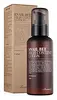
This barrier-repair moisturizer is formulated around Snail Secretion Filtrate and Niacinamide to strengthen the skin barrier and calm redness.
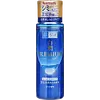
This brightening essence is formulated around Tranexamic Acid and Dipotassium Glycyrrhizate to fade the look of dark spots and brighten dull-looking skin.


What's inside
What's inside
 Key Ingredients
Benefits
Concerns
Ingredients Side-by-side
Water
Skin ConditioningButylene Glycol
Humectant

Snail Secretion Filtrate
Skin Conditioning



Glycerin
Humectant
Cetyl Ethylhexanoate
EmollientNiacinamide
Smoothing







Sodium Hyaluronate
Humectant
Cetearyl Olivate


Sorbitan Olivate
Emulsifying
Simmondsia Chinensis Seed Oil
Emollient
Argania Spinosa Kernel Oil
Emollient
Helianthus Annuus Seed Oil
Emollient
Carthamus Tinctorius Seed Oil
Masking
Urea
Buffering
Glyceryl Stearate
Emollient
Palmitic Acid
Emollient


1,2-Hexanediol
Skin Conditioning
Pentylene Glycol
Skin Conditioning
Zanthoxylum Piperitum Fruit Extract
Skin ConditioningPulsatilla Koreana Extract
Skin ConditioningUsnea Barbata Extract
Sh-Oligopeptide-1
Skin Conditioning
Bee Venom
Astringent
Cetearyl Alcohol
Emollient

Xanthan Gum
EmulsifyingStearic Acid
Cleansing
Tocopheryl Acetate
Antioxidant

Althaea Rosea Root Extract
HumectantAloe Barbadensis Leaf Extract
Emollient
Panthenol
Skin Conditioning
Lauric Acid
Cleansing
Myristic Acid
Cleansing
Aloe Barbadensis Leaf Juice
Skin Conditioning
Beta-Glucan
Skin Conditioning
Plantago Asiatica Extract
Skin ConditioningDiospyros Kaki Leaf Extract
Skin Protecting
Salix Alba Bark Extract
Astringent
Ulmus Campestris Bark Extract
AstringentLaminaria Digitata Extract
Skin Protecting
Adenosine
Skin Conditioning
Polysorbate 20
Emulsifying
Lecithin
Emollient
Water, Butylene Glycol, Snail Secretion Filtrate, Glycerin, Cetyl Ethylhexanoate, Niacinamide, Sodium Hyaluronate, Cetearyl Olivate, Sorbitan Olivate, Simmondsia Chinensis Seed Oil, Argania Spinosa Kernel Oil, Helianthus Annuus Seed Oil, Carthamus Tinctorius Seed Oil, Urea, Glyceryl Stearate, Palmitic Acid, 1,2-Hexanediol, Pentylene Glycol, Zanthoxylum Piperitum Fruit Extract, Pulsatilla Koreana Extract, Usnea Barbata Extract, Sh-Oligopeptide-1, Bee Venom, Cetearyl Alcohol, Xanthan Gum, Stearic Acid, Tocopheryl Acetate, Althaea Rosea Root Extract, Aloe Barbadensis Leaf Extract, Panthenol, Lauric Acid, Myristic Acid, Aloe Barbadensis Leaf Juice, Beta-Glucan, Plantago Asiatica Extract, Diospyros Kaki Leaf Extract, Salix Alba Bark Extract, Ulmus Campestris Bark Extract, Laminaria Digitata Extract, Adenosine, Polysorbate 20, Lecithin
Tranexamic Acid
Astringent
Dipotassium Glycyrrhizate
Humectant
Hydrolyzed Hyaluronic Acid
Humectant
Sodium Hyaluronate
Humectant
Magnesium Ascorbyl Phosphate
Antioxidant
Tocopherol
Antioxidant
Butylene Glycol
Humectant
Glycerin
Humectant
Diglycerin
Humectant
Pentylene Glycol
Skin Conditioning
Dipropylene Glycol
HumectantPEG-30 Dipolyhydroxystearate
Emulsifying
PEG-8
HumectantHydrogenated Lecithin
Emulsifying
Citric Acid
Buffering
EDTA
Styrene/Vp Copolymer
Polysorbate 20
Emulsifying
Phenoxyethanol
Preservative
Tranexamic Acid, Dipotassium Glycyrrhizate, Hydrolyzed Hyaluronic Acid, Sodium Hyaluronate, Magnesium Ascorbyl Phosphate, Tocopherol, Butylene Glycol, Glycerin, Diglycerin, Pentylene Glycol, Dipropylene Glycol, PEG-30 Dipolyhydroxystearate, PEG-8, Hydrogenated Lecithin, Citric Acid, EDTA, Styrene/Vp Copolymer, Polysorbate 20, Phenoxyethanol
Reviews
Alternatives
Ingredients Explained
These ingredients are found in both products.
Ingredients higher up in an ingredient list are typically present in a larger amount.
Butylene Glycol (or BG) is used within cosmetic products for a few different reasons:
Overall, Butylene Glycol is a safe and well-rounded ingredient that works well with other ingredients.
Though this ingredient works well with most skin types, some people with sensitive skin may experience a reaction such as allergic rashes, closed comedones, or itchiness.
Learn more about Butylene GlycolGlycerin (or glycerol) is a compound naturally found in your skin. It's a powerhouse humectant that pulls water into the stratum corneum.
Topically, glycerin does several things at once:
Your skin makes glycerin on its own (mostly from sebaceous oil breakdown) and shuttles it to your outermost layer of skin, or your epidermis, via aquaporin-3.
Aquaporin-3 is a transporter that is essential for normal skin hydration, elasticity, and repair. Interestingly, mice lacking in AQP3 have dry and less elastic skin that can be fully corrected with glycerin.
This ingredient is non-irritating, plays well with almost every ingredient, and works across all skin types. Typical use is anywhere between 3-10% but can go up to 79% in some leave-on products.
Just know very high concentrations (>40%) can feel tacky in low humidity.
Glycerin is the name for this ingredient in American English. British English uses Glycerol/Glycerine.
Learn more about GlycerinPentylene Glycol (1,2-pentanediol) is a multitasking little diol with three main roles in a formula:
Research on alkanediols (the family pentylene glycol belongs to) show they work by disrupting microbial cell membranes. This disruption helps the primary preservative system in a product work more effectively at lower doses.
On the safety side, the Cosmetic Ingredient Review Expert Panel has concluded this ingredient to be safe as used in current cosmetic practices + concentrations.
Typical use levels in a formula run about 1-5%.
Learn more about Pentylene GlycolPolysorbate 20 is a gentle, water-soluble emulsifier and mild surfactant. It stops oil and water from separating to keep your formulas blended and stable.
It also acts as a mild penetration enhancer by helping active ingredients absorb slightly better.
The common safety discussion around this ingredient involves a manufacturing byproduct called 1,4-dioxane.
Trace amounts can form during production but the EU's Scientific Committee on Consumer Safety has concluded that levels at/below 10 ppm in finished products are safe (commercial products consistently fall within acceptable margins).
True allergic reactions are uncommon and the CIR Expert Panel has confirmed this ingredient to be safe as used in cosmetics.
Because it is derived from lauric acid, it may not be fungal acne safe.
Learn more about Polysorbate 20Sodium Hyaluronate is the salt form of hyaluronic acid. It is a long sugar chain that is naturally found in your skin, joints, and connective tissue that maintains hydration and elasticity.
In skincare, it works as a humectant. It pulls water from the environment and deeper layers of skin and binds it to the surface.
Interestingly, the size of the molecule affects its behavior:
Some clinical evidence links low molecular weight versions to improved wrinkle depth, elasticity, anti-inflammatory effects, and barrier repair.
Many serums use a blend of both weights so you can get surface hydration plus longer-lasting and deeper effects.
You'll typically see concentrations between 0.1-2% for this ingredient.
Learn more about Sodium Hyaluronate

