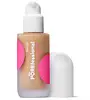
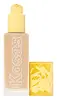
Benefit Cosmetics The Porefessional Foundation Versus Kosas Revealer Skin-Improving Foundation SPF 25

What's inside
What's inside
 Key Ingredients
Benefits
Concerns
Ingredients Side-by-side
Water
Skin ConditioningDimethicone
Emollient

Mica
Cosmetic ColorantIsododecane
EmollientGlycerin
Humectant

Niacinamide
Smoothing









Trimethylsiloxysilicate
Emollient
Cetyl PEG/PPG-10/1 Dimethicone
Emulsifying
Butylene Glycol
Humectant
PEG-10 Dimethicone
Skin Conditioning
Dimethicone/Vinyl Dimethicone Crosspolymer
Skin Conditioning
Phenoxyethanol
Preservative
Sodium Chloride
MaskingSilica
Abrasive
Distarch Phosphate
AbsorbentMagnesium Sulfate
Triethoxycaprylylsilane
Aluminum Hydroxide
EmollientSodium Dehydroacetate
Preservative
Benzoic Acid
Masking
Dehydroacetic Acid
Preservative
Disteardimonium Hectorite
StabilisingPropylene Carbonate
SolventEthylhexylglycerin
Skin ConditioningRosa Canina Fruit Extract
Astringent
CI 77891
Cosmetic ColorantCI 77491
Cosmetic ColorantCI 77492
Cosmetic ColorantCI 77499
Cosmetic ColorantWater, Dimethicone, Mica, Isododecane, Glycerin, Niacinamide, Trimethylsiloxysilicate, Cetyl PEG/PPG-10/1 Dimethicone, Butylene Glycol, PEG-10 Dimethicone, Dimethicone/Vinyl Dimethicone Crosspolymer, Phenoxyethanol, Sodium Chloride, Silica, Distarch Phosphate, Magnesium Sulfate, Triethoxycaprylylsilane, Aluminum Hydroxide, Sodium Dehydroacetate, Benzoic Acid, Dehydroacetic Acid, Disteardimonium Hectorite, Propylene Carbonate, Ethylhexylglycerin, Rosa Canina Fruit Extract, CI 77891, CI 77491, CI 77492, CI 77499
Zinc Oxide 7.5%
Cosmetic Colorant

Water
Skin ConditioningEthylhexyl Olivate
Skin Conditioning

Octyldodecanol
Emollient
Undecane
EmollientPolyglyceryl-2 Dipolyhydroxystearate
Skin Conditioning
Glycerin
Humectant
Mica
Cosmetic ColorantCalcium Sodium Borosilicate
Caprylic/Capric Triglyceride
Masking
Niacinamide
Smoothing
Polyglyceryl-3 Diisostearate
Emulsifying

Galactoarabinan
Tridecane
Perfuming

Propanediol
Solvent
Cetyl Alcohol
Emollient
Glyceryl Oleate
Emollient
Sodium Hyaluronate
Humectant
Palmitoyl Tripeptide-5
Skin Conditioning
Panthenol
Skin Conditioning
Squalane
Emollient
Caffeine
Skin Conditioning
Arnica Montana Flower Extract
Masking
Artemisia Capillaris Flower Extract
Skin ConditioningEthyl Ferulate
Antioxidant
Sodium Gluconate
Skin ConditioningPolyhydroxystearic Acid
Emulsifying
Maltodextrin
Absorbent
Pentylene Glycol
Skin Conditioning
Lecithin
Emollient
Hydrogenated Lecithin
Emulsifying
Tocopherol
Antioxidant
Phenethyl Alcohol
MaskingCI 77891
Cosmetic ColorantIron Oxides
Zinc Oxide 7.5%, Water, Ethylhexyl Olivate, Octyldodecanol, Undecane, Polyglyceryl-2 Dipolyhydroxystearate, Glycerin, Mica, Calcium Sodium Borosilicate, Caprylic/Capric Triglyceride, Niacinamide, Polyglyceryl-3 Diisostearate, Galactoarabinan, Tridecane, Propanediol, Cetyl Alcohol, Glyceryl Oleate, Sodium Hyaluronate, Palmitoyl Tripeptide-5, Panthenol, Squalane, Caffeine, Arnica Montana Flower Extract, Artemisia Capillaris Flower Extract, Ethyl Ferulate, Sodium Gluconate, Polyhydroxystearic Acid, Maltodextrin, Pentylene Glycol, Lecithin, Hydrogenated Lecithin, Tocopherol, Phenethyl Alcohol, CI 77891, Iron Oxides
Reviews
Ingredients Explained
These ingredients are found in both products.
Ingredients higher up in an ingredient list are typically present in a larger amount.
Ci 77891 is a white pigment from Titanium dioxide. It is naturally found in minerals such as rutile and ilmenite.
It's main function is to add a white color to cosmetics. It can also be mixed with other colors to create different shades.
Ci 77891 is commonly found in sunscreens due to its ability to block UV rays.
Learn more about CI 77891Glycerin (or glycerol) is a compound naturally found in your skin. It's a powerhouse humectant that pulls water into the stratum corneum.
Topically, glycerin does several things at once:
Your skin makes glycerin on its own (mostly from sebaceous oil breakdown) and shuttles it to your outermost layer of skin, or your epidermis, via aquaporin-3.
Aquaporin-3 is a transporter that is essential for normal skin hydration, elasticity, and repair. Interestingly, mice lacking in AQP3 have dry and less elastic skin that can be fully corrected with glycerin.
This ingredient is non-irritating, plays well with almost every ingredient, and works across all skin types. Typical use is anywhere between 3-10% but can go up to 79% in some leave-on products.
Just know very high concentrations (>40%) can feel tacky in low humidity.
Glycerin is the name for this ingredient in American English. British English uses Glycerol/Glycerine.
Learn more about GlycerinMica is a naturally occurring mineral used to add shimmer and color in cosmetics. It can also help improve the texture of a product or give it an opaque, white/silver color.
Serecite is the name for very fine but ragged grains of mica.
This ingredient is often coated with metal oxides like titanium dioxide. Trace amounts of heavy metals may be found in mica, but these metals are not harmful in our personal products.
Mica has been used since prehistoric times throughout the world. Ancient Egyptian, Indian, Greek, Roman, Aztec, and Chinese civilizations have used mica.
Learn more about MicaNiacinamide is a multitasking form of vitamin B3 that strengthens the skin barrier, reduces pores and dark spots, regulates oil, and improves signs of aging.
And the best part? It's gentle and well-tolerated by most skin types, including sensitive and reactive skin.
You might have heard of "niacin flush", or the reddening of skin that causes itchiness. Niacinamide has not been found to cause this.
In very rare cases, some individuals may not be able to tolerate niacinamide at all or experience an allergic reaction to it.
If you are experiencing flaking, irritation, and dryness with this ingredient, be sure to double check all your products as this ingredient can be found in all categories of skincare.
When incorporating niacinamide into your routine, look out for concentration amounts. Typically, 5% niacinamide provides benefits such as fading dark spots. However, if you have sensitive skin, it is better to begin with a smaller concentration.
When you apply niacinamide to your skin, your body converts it into nicotinamide adenine dinucleotide (NAD). NAD is an essential coenzyme that is already found in your cells as "fuel" and powers countless biological processes.
In your skin, NAD helps repair cell damage, produce new healthy cells, support collagen production, strengthen the skin barrier, and fight environmental stressors (like UV and pollution).
Our natural NAD levels start to decline with age, leading to slower skin repair, visible aging, and a weaker skin barrier. By providing your skin niacinamide, you're recharging your skin's NAD levels. This leads to stronger, healthier, and younger looking skin.
Another name for vitamin B3 is nicotinamide. This vitamin is water-soluble and our bodies don't store it. We obtain Vitamin B3 from either food or skincare. Meat, fish, wheat, yeast, and leafy greens contain vitamin B3.
The type of niacinamide used in skincare is synthetically created.
Learn more about NiacinamideWater. It's the most common cosmetic ingredient of all. You'll usually see it at the top of ingredient lists, meaning that it makes up the largest part of the product.
So why is it so popular? Water most often acts as a solvent - this means that it helps dissolve other ingredients into the formulation.
You'll also recognize water as that liquid we all need to stay alive. If you see this, drink a glass of water. Remember to stay hydrated!
Learn more about Water

