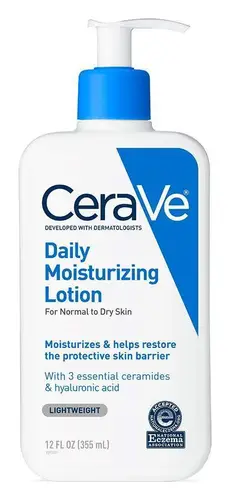
This calming toner is formulated around Avena Sativa Kernel Extract and Madecassoside to calm redness and strengthen the skin barrier.
This hydrating toner is formulated around Allantoin and Sodium Hyaluronate to hydrate skin and calm redness.


What's inside
What's inside
 Key Ingredients
Benefits
Concerns
No concerns
Ingredients Side-by-side
Water
Skin ConditioningDipropylene Glycol
HumectantGlycereth-26
Humectant
1,2-Hexanediol
Skin Conditioning
Glycerin
Humectant

Stellaria Media Extract
Skin ConditioningAlchemilla Vulgaris Leaf Extract
Antioxidant
Equisetum Arvense Leaf Extract
AstringentAvena Sativa Kernel Extract
Abrasive


Calendula Officinalis Flower Extract
Masking
Nepeta Cataria Extract
TonicRubus Idaeus Leaf Extract
Skin ConditioningBaptisia Tinctoria Root Extract
Skin ConditioningMadecassoside
Antioxidant

Centella Asiatica Leaf Extract
Skin Conditioning
Dextrin
AbsorbentTheobroma Cacao Seed Extract
Antioxidant
Butylene Glycol
Humectant
Sorbitol
Humectant
Bis-PEG-18 Methyl Ether Dimethyl Silane
EmollientPanthenol
Skin Conditioning
PEG-40 Hydrogenated Castor Oil
Emulsifying


Triethylhexanoin
MaskingXylitylglucoside
Humectant
Lactobacillus/Soybean Ferment Extract
Skin ConditioningPhenyl Trimethicone
Skin Conditioning
Acrylates/C10-30 Alkyl Acrylate Crosspolymer
Emulsion StabilisingAnhydroxylitol
Humectant
Tromethamine
BufferingSaccharomyces/Potato Extract Ferment Filtrate
Humectant
Lactobacillus Ferment
Skin Conditioning
Curcuma Longa Root Extract
Antioxidant
Saccharomyces/Barley Seed Ferment Filtrate
HumectantXylitol
Humectant
Lauryl Dimethicone/Polyglycerin-3 Crosspolymer
Cleansing
Polymethylsilsesquioxane
Polyquaternium-51
Skin Conditioning
Algin
MaskingGlucose
Humectant
Trisodium EDTA
ChelatingEthylhexylglycerin
Skin ConditioningBiosaccharide Gum-1
Humectant
Citrus Aurantium Dulcis Peel Oil
Masking
Citrus Aurantifolia Oil
Cleansing

Rosmarinus Officinalis Leaf Oil
Masking
Pelargonium Graveolens Flower Oil
Masking
Citral
Perfuming
Citronellol
Perfuming
Limonene
Perfuming
Geraniol
Perfuming
Linalool
Perfuming
Water, Dipropylene Glycol, Glycereth-26, 1,2-Hexanediol, Glycerin, Stellaria Media Extract, Alchemilla Vulgaris Leaf Extract, Equisetum Arvense Leaf Extract, Avena Sativa Kernel Extract, Calendula Officinalis Flower Extract, Nepeta Cataria Extract, Rubus Idaeus Leaf Extract, Baptisia Tinctoria Root Extract, Madecassoside, Centella Asiatica Leaf Extract, Dextrin, Theobroma Cacao Seed Extract, Butylene Glycol, Sorbitol, Bis-PEG-18 Methyl Ether Dimethyl Silane, Panthenol, PEG-40 Hydrogenated Castor Oil, Triethylhexanoin, Xylitylglucoside, Lactobacillus/Soybean Ferment Extract, Phenyl Trimethicone, Acrylates/C10-30 Alkyl Acrylate Crosspolymer, Anhydroxylitol, Tromethamine, Saccharomyces/Potato Extract Ferment Filtrate, Lactobacillus Ferment, Curcuma Longa Root Extract, Saccharomyces/Barley Seed Ferment Filtrate, Xylitol, Lauryl Dimethicone/Polyglycerin-3 Crosspolymer, Polymethylsilsesquioxane, Polyquaternium-51, Algin, Glucose, Trisodium EDTA, Ethylhexylglycerin, Biosaccharide Gum-1, Citrus Aurantium Dulcis Peel Oil, Citrus Aurantifolia Oil, Rosmarinus Officinalis Leaf Oil, Pelargonium Graveolens Flower Oil, Citral, Citronellol, Limonene, Geraniol, Linalool
Water
Skin ConditioningDipropylene Glycol
HumectantGlycerin
Humectant
PEG-32
HumectantDiglycerin
Humectant
Glycosyl Trehalose
Emulsion StabilisingHydrogenated Starch Hydrolysate
HumectantPhenoxyethanol
Preservative
Butylene Glycol
Humectant
Sodium PCA
Humectant
Allantoin
Skin Conditioning
Sodium Citrate
BufferingPolyquaternium-51
Skin Conditioning
Citric Acid
Buffering

Sodium Hyaluronate
Humectant
Portulaca Oleracea Extract
Skin Conditioning
Citrus Grandis
Ingredients Explained
These ingredients are found in both products.
Ingredients higher up in an ingredient list are typically present in a larger amount.
Butylene Glycol (or BG) is used within cosmetic products for a few different reasons:
Overall, Butylene Glycol is a safe and well-rounded ingredient that works well with other ingredients.
Though this ingredient works well with most skin types, some people with sensitive skin may experience a reaction such as allergic rashes, closed comedones, or itchiness.
Learn more about Butylene GlycolDipropylene Glycol is a synthetically created humectant, stabilizer, and solvent.
This ingredient helps:
Dipropylene glycol is technically an alcohol, but it belongs to the glycol family (often considered part of the ‘good’ alcohols). This means it is hydrating and gentle on skin unlike drying solvent alcohols like denatured alcohol.
As a masking agent, Dipropylene Glycol can be used to cover the smell of other ingredients. However, it does not have a scent.
Studies show Dipropylene Glycol is considered safe to use in skincare.
Learn more about Dipropylene GlycolGlycerin (or glycerol) is a compound naturally found in your skin. It's a powerhouse humectant that pulls water into the stratum corneum.
Topically, glycerin does several things at once:
Your skin makes glycerin on its own (mostly from sebaceous oil breakdown) and shuttles it to your outermost layer of skin, or your epidermis, via aquaporin-3.
Aquaporin-3 is a transporter that is essential for normal skin hydration, elasticity, and repair. Interestingly, mice lacking in AQP3 have dry and less elastic skin that can be fully corrected with glycerin.
This ingredient is non-irritating, plays well with almost every ingredient, and works across all skin types. Typical use is anywhere between 3-10% but can go up to 79% in some leave-on products.
Just know very high concentrations (>40%) can feel tacky in low humidity.
Glycerin is the name for this ingredient in American English. British English uses Glycerol/Glycerine.
Learn more about GlycerinPolyquaternium-51 is a polymer salt. It helps hydrate the skin by creating a film on top. This film traps moisture in, keeping your skin soft and hydrated.
Water. It's the most common cosmetic ingredient of all. You'll usually see it at the top of ingredient lists, meaning that it makes up the largest part of the product.
So why is it so popular? Water most often acts as a solvent - this means that it helps dissolve other ingredients into the formulation.
You'll also recognize water as that liquid we all need to stay alive. If you see this, drink a glass of water. Remember to stay hydrated!
Learn more about Water