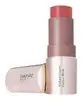
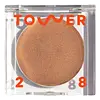
BeautyAct Radiant Cream Colour Stick Blush Versus Tower 28 Beauty Bronzino Illuminating Cream Bronzer


What's inside
What's inside
 Key Ingredients
Benefits
Concerns
Ingredients Side-by-side
Ricinus Communis Seed Oil
Masking




Persea Gratissima Oil
Skin Conditioning

Ethylhexyl Palmitate
Emollient
C12-15 Alkyl Benzoate
AntimicrobialSynthetic Wax
Abrasive
Isononyl Isononanoate
EmollientSilica
Abrasive

Helianthus Annuus Seed Cera
Emollient
Disteardimonium Hectorite
StabilisingOlea Europaea Oil Unsaponifiables
Skin Conditioning
Propylene Carbonate
SolventHelianthus Annuus Seed Oil
Emollient
Rhus Verniciflua Peel Cera
EmollientShorea Robusta Resin
TonicTocopherol
Antioxidant






Beta-Sitosterol
Emulsion Stabilising
Squalene
Emollient
CI 77891
Cosmetic ColorantCI 15850
Cosmetic ColorantCI 19140
Cosmetic ColorantRicinus Communis Seed Oil, Persea Gratissima Oil, Ethylhexyl Palmitate, C12-15 Alkyl Benzoate, Synthetic Wax, Isononyl Isononanoate, Silica, Helianthus Annuus Seed Cera, Disteardimonium Hectorite, Olea Europaea Oil Unsaponifiables, Propylene Carbonate, Helianthus Annuus Seed Oil, Rhus Verniciflua Peel Cera, Shorea Robusta Resin, Tocopherol, Beta-Sitosterol, Squalene, CI 77891, CI 15850, CI 19140
Hydrogenated Polyisobutene
EmollientZea Mays Starch
Absorbent
Ricinus Communis Seed Oil
Masking
Polyhydroxystearic Acid
Emulsifying
Helianthus Annuus Seed Wax
Skin Conditioning
Diisostearyl Malate
EmollientTriisostearyl Citrate
EmollientMicrocrystalline Wax
Emulsion StabilisingJojoba Esters
Emollient
Butyrospermum Parkii Butter
Skin Conditioning
Orbignya Oleifera Seed Oil
Emollient
Oryza Sativa Bran Extract
Skin Conditioning
Helianthus Annuus Extract
Emollient
Rosmarinus Officinalis Leaf Extract
AntimicrobialCamellia Sinensis Leaf Extract
Antimicrobial
Chamomilla Recutita Flower Extract
Masking
Aloe Barbadensis Leaf Extract
Emollient
Carthamus Tinctorius Seed Oil
Masking
Acacia Decurrens Flower Wax
Emollient
Persea Gratissima Oil
Skin Conditioning
Rosa Canina Fruit Oil
Emollient
Glycine Soja Oil
Emollient
Tocopherol
Antioxidant
Polyglycerin-3
Humectant
Caprylyl Glycol
Emollient
Ethylhexylglycerin
Skin ConditioningCI 77491
Cosmetic ColorantCI 77492
Cosmetic ColorantCI 77499
Cosmetic ColorantCI 15850
Cosmetic ColorantCI 45380
Cosmetic ColorantCI 73360
Cosmetic ColorantCI 77891
Cosmetic ColorantHydrogenated Polyisobutene, Zea Mays Starch, Ricinus Communis Seed Oil, Polyhydroxystearic Acid, Helianthus Annuus Seed Wax, Diisostearyl Malate, Triisostearyl Citrate, Microcrystalline Wax, Jojoba Esters, Butyrospermum Parkii Butter, Orbignya Oleifera Seed Oil, Oryza Sativa Bran Extract, Helianthus Annuus Extract, Rosmarinus Officinalis Leaf Extract, Camellia Sinensis Leaf Extract, Chamomilla Recutita Flower Extract, Aloe Barbadensis Leaf Extract, Carthamus Tinctorius Seed Oil, Acacia Decurrens Flower Wax, Persea Gratissima Oil, Rosa Canina Fruit Oil, Glycine Soja Oil, Tocopherol, Polyglycerin-3, Caprylyl Glycol, Ethylhexylglycerin, CI 77491, CI 77492, CI 77499, CI 15850, CI 45380, CI 73360, CI 77891
Alternatives
Ingredients Explained
These ingredients are found in both products.
Ingredients higher up in an ingredient list are typically present in a larger amount.
Ci 15850 is the pigment color red. It is an azo dye and created synthetically.
Azo dyes need to be thoroughly purified before use. This allows them to be more stable and longer-lasting.
This ingredient is common in foundations, lipsticks, and blushes. This color is described as brown/orangey red.
It has many secondary names such as Red 6 and Red 7. According to a manufacturer, Red 6 usually contains aluminum.
Learn more about CI 15850Ci 77891 is a white pigment from Titanium dioxide. It is naturally found in minerals such as rutile and ilmenite.
It's main function is to add a white color to cosmetics. It can also be mixed with other colors to create different shades.
Ci 77891 is commonly found in sunscreens due to its ability to block UV rays.
Learn more about CI 77891This ingredient is also known as Avocado oil. It's the cold-pressed oil from the flesh of the avocado fruit packed with fatty acids (mostly oleic acid).
The rich fatty acid profile allows it to function as a skin conditioning agent and emollient; it helps soften and smooth skin while reducing water loss.
Preclinical research has found that topical avocado oil increased collagen synthesis and reduced inflammation during wound healing, giving it some skin-repairing credibility.
The unsaponifiable fraction of the oil is also interesting: studies on avocado unsaponifiables showed that it helped skin produce more collagen and other structural compounds that support healing.
The CIR Expert Panel has found this ingredient to be non-irritating in formulations.
This ingredient may not be fungal acne safe. This is because the oleic acid content falls within the range that Malassezia can use as a food source.
This ingredient does have a comedogenic rating of 0-3, but this doesn't mean a formula with this ingredient will clog pores. Human testing has proved that any finished product with a comedogenic ingredient won't automatically make you break out; it really comes down to concentration, formula, and your skin.
Learn more about Persea Gratissima OilThis ingredient is also known as castor oil. It is a skin conditioning ingredient.
The star component of castor oil is ricinoleic acid, an unusual fatty acid that makes up ~80-92% of its composition.
In skincare, it is an emollient that dries down to a solid film with water-binding properties. This helps keep skin hydrated and helps reduce transepidermal water loss (TEWL).
A 2026 dermatology review pulls together its broader uses:
Human clinical testing found this ingredient to be non-irritating and non-sensitizing.
Because castor oil contains fatty acids in the C11-24 range, this ingredient may not be fungal acne safe.
At this time, the literature does not support castor oil in regrowing hair. A 2022 systematic review found no strong evidence that it supports hair growth and only weak evidence that it improves hair shine.
Castor oil itself carries "perfuming" and "masking" function tags according to the official CosIng database. This is because of its mild odor and odor-dampening properties.
Learn more about Ricinus Communis Seed OilTocopherol is a fat-soluble antioxidant known as Vitamin E.
You'll find this ingredient in the vast majority of skincare (for good reason). It works to neutralize free radicals, or unstable molecules generated by UV exposure, pollution, and other environmental stressors, before they can cause oxidative damage to your skin cells.
Topically applied tocopherol has been shown to protect against UV damage by ramping up the skin's own natural defense enzymes.
It also acts as a skin conditioning agent; some studies show that regular topical use can improve the skin's water-binding capacity over 2-4 weeks.
This ingredient is especially loved for being a team player. When combined with Vitamin C, the photoprotective effect of both ingredients roughly doubles and the combo also helps reduce UV-induced DNA damage.
This ingredient has some brightening potential but it's more of a prevention ingredient than spot-fader. Cell studies show it can slow down melanin production but it's worth noting that it's not the most powerful brightener out there.
In formulations, it also serves as a stabilizer that helps protect other oxidation-prone ingredients from degrading.
Concentrations usually range from 0.1-1% in most leave-on products.
Learn more about Tocopherol

