Beauty Pie Youthbomb™ 360° Radiance Concentrate Versus Monday Muse Skincare The Cocktail Eternal Cream
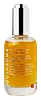
This brightening serum is formulated around Avena Sativa Kernel Extract and Glycyrrhiza Glabra Root Extract to brighten dull-looking skin and hydrate skin.
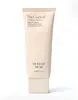
This barrier-repair moisturizer is formulated around Squalane and Avena Sativa Kernel Extract to strengthen the skin barrier and soften the look of wrinkles.


What's inside
What's inside
 Key Ingredients
Benefits
Concerns
Ingredients Side-by-side
Water
Skin ConditioningButylene Glycol
Humectant

Glycerin
Humectant
1,2-Hexanediol
Skin Conditioning
Caprylic/Capric/Succinic Triglyceride
EmollientHamamelis Virginiana Water
Astringent



Althaea Officinalis Root Extract
Skin Conditioning
Avena Sativa Kernel Extract
Abrasive



Propanediol
Solvent
Pentylene Glycol
Skin Conditioning
Carbomer
Emulsion StabilisingHydrolyzed Rice Protein
Skin ConditioningCaprylyl Glycol
Emollient
Salix Alba Bark Extract
Astringent

Equisetum Arvense Extract
AstringentGlycyrrhiza Glabra Root Extract
Bleaching
Harpagophytum Procumbens Root Extract
Skin ConditioningCaprylic/Capric Triglyceride
Masking
Polyglutamic Acid
Skin Conditioning
Sodium Hydroxide
BufferingSodium Benzoate
Masking
Citric Acid
Buffering
Potassium Sorbate
Preservative
Phenethyl Alcohol
MaskingXanthan Gum
EmulsifyingGlyceryl Caprylate
EmollientBacillus Ferment
Skin Conditioning
Sodium Carrageenan
Emulsion StabilisingAlchemilla Vulgaris Extract
AstringentUndaria Pinnatifida Extract
Skin ConditioningPseudoalteromonas Ferment Extract
Humectant
Acetyl Hexapeptide-1
Skin Conditioning
Maris Sal
Skin ConditioningWater, Butylene Glycol, Glycerin, 1,2-Hexanediol, Caprylic/Capric/Succinic Triglyceride, Hamamelis Virginiana Water, Althaea Officinalis Root Extract, Avena Sativa Kernel Extract, Propanediol, Pentylene Glycol, Carbomer, Hydrolyzed Rice Protein, Caprylyl Glycol, Salix Alba Bark Extract, Equisetum Arvense Extract, Glycyrrhiza Glabra Root Extract, Harpagophytum Procumbens Root Extract, Caprylic/Capric Triglyceride, Polyglutamic Acid, Sodium Hydroxide, Sodium Benzoate, Citric Acid, Potassium Sorbate, Phenethyl Alcohol, Xanthan Gum, Glyceryl Caprylate, Bacillus Ferment, Sodium Carrageenan, Alchemilla Vulgaris Extract, Undaria Pinnatifida Extract, Pseudoalteromonas Ferment Extract, Acetyl Hexapeptide-1, Maris Sal
Water
Skin ConditioningGlycerin
Humectant
C15-19 Alkane
SolventPolyglyceryl-4 Laurate
Emulsifying
Squalane
Emollient
Avena Sativa Kernel Extract
Abrasive
Sodium Carbomer
Emulsion StabilisingCrithmum Maritimum Extract
Skin ConditioningHaematococcus Pluvialis Extract
Antioxidant
Palmitoyl Tripeptide-38
Skin Conditioning
Simmondsia Chinensis Seed Oil
Emollient
Helianthus Annuus Seed Oil
Emollient
Tocopherol
Antioxidant
Polyglyceryl-6 Laurate
Emulsifying
Silica
Abrasive
Sodium Gluconate
ChelatingSodium Hydroxide
BufferingSorbic Acid
Preservative
Benzyl Alcohol
Perfuming



Hydroxypropyl Cyclodextrin
MaskingSalicylic Acid
Masking

Caprylic/Capric Triglyceride
Masking
Coco-Caprylate/Caprate
Emollient
Water, Glycerin, C15-19 Alkane, Polyglyceryl-4 Laurate, Squalane, Avena Sativa Kernel Extract, Sodium Carbomer, Crithmum Maritimum Extract, Haematococcus Pluvialis Extract, Palmitoyl Tripeptide-38, Simmondsia Chinensis Seed Oil, Helianthus Annuus Seed Oil, Tocopherol, Polyglyceryl-6 Laurate, Silica, Sodium Gluconate, Sodium Hydroxide, Sorbic Acid, Benzyl Alcohol, Hydroxypropyl Cyclodextrin, Salicylic Acid, Caprylic/Capric Triglyceride, Coco-Caprylate/Caprate
Ingredients Explained
These ingredients are found in both products.
Ingredients higher up in an ingredient list are typically present in a larger amount.
Avena Sativa Kernel Extract is is derived from colloidal oatmeal. Besides being a healthy breakfast, oats have many benefits in skincare too.
This ingredient helps sooth, hydrate, and protect the skin. The starches in colloidal oatmeal are able to bind water, keeping the skin hydrated.
The cellulose and fiber in colloidal oatmeal help reduce inflammation. This can also help the skin feel softer.
Colloidal Oatmeal is also an antioxidant. Antioxidants protect our skin from free-radical damage.
Oatmeal also contains beneficial compounds:
This ingredient is created by mixing grounded oatmeal and a liquid base.
Learn more about Avena Sativa Kernel ExtractCaprylic/Capric Triglyceride (aka MCT Oil) is a lightweight emollient, solvent, and texture enhancer. It is considered a skin-softener by helping to prevent moisture loss.
Though it behaves like an oil, it is not technically one due to its chemical composition. One perk of this ingredient is that it is very stable, resistant to oxidation, and unlikely to go rancid.
In practice, that translates to a long shelf life and a consistently elegant skin feel.
While there is an assumption Caprylic Triglyceride can clog pores due to it being derived from coconut oil, there is no research supporting this. Just patch test if you have concerns.
Fractionated coconut oil and MCT Oil are both listed as Caprylic/Capric Triglyceride according to INCI. This is because INCI names are based on the ingredient’s final chemical composition and not its marketing name or source.
This ingredient is treated as the gold standard fungal acne safe oil. Even though it is coconut derived, the problematic lauric acid is stripped out.
This leaves just caprylic (C8) and capric (C10) acid. These chain lengths actually trend antifungal; a 2020 study found caprylic acid was enough to disrupt Malassezia furfur cell membrane, with a caprylic acid derivative damaging membrane structures at concentrations as low as 0.2%.
Learn more about Caprylic/Capric TriglycerideGlycerin (or glycerol) is a compound naturally found in your skin. It's a powerhouse humectant that pulls water into the stratum corneum.
Topically, glycerin does several things at once:
Your skin makes glycerin on its own (mostly from sebaceous oil breakdown) and shuttles it to your outermost layer of skin, or your epidermis, via aquaporin-3.
Aquaporin-3 is a transporter that is essential for normal skin hydration, elasticity, and repair. Interestingly, mice lacking in AQP3 have dry and less elastic skin that can be fully corrected with glycerin.
This ingredient is non-irritating, plays well with almost every ingredient, and works across all skin types. Typical use is anywhere between 3-10% but can go up to 79% in some leave-on products.
Just know very high concentrations (>40%) can feel tacky in low humidity.
Glycerin is the name for this ingredient in American English. British English uses Glycerol/Glycerine.
Learn more about GlycerinSodium Hydroxide is also known as lye or caustic soda. It is used to adjust the pH of products; many ingredients require a specific pH to be effective.
In small amounts, sodium hydroxide is considered safe to use. However, large amounts may cause chemical burns due to its high alkaline.
Your skin has a natural pH and acid mantle. This acid mantle helps prevent harmful bacteria from breaking through. The acid mantle also helps keep your skin hydrated.
"Alkaline" refers to a high pH level. A low pH level would be considered acidic.
Learn more about Sodium HydroxideWater. It's the most common cosmetic ingredient of all. You'll usually see it at the top of ingredient lists, meaning that it makes up the largest part of the product.
So why is it so popular? Water most often acts as a solvent - this means that it helps dissolve other ingredients into the formulation.
You'll also recognize water as that liquid we all need to stay alive. If you see this, drink a glass of water. Remember to stay hydrated!
Learn more about Water


