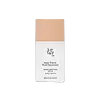
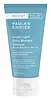
Beauty of Joseon Daily Tinted Fluid Sunscreen SPF 40 Versus Paula's Choice Resist Super-Light Wrinkle Defense SPF 30


What's inside
What's inside
 Key Ingredients
Benefits
Concerns
No concerns
Ingredients Side-by-side
Zinc Oxide
Cosmetic Colorant


Water
Skin ConditioningButyloctyl Salicylate
Skin Conditioning
Isopropyl Myristate
Emollient


Coco-Caprylate/Caprate
Emollient
Caprylic/Capric Triglyceride
Masking

Neopentyl Glycol Diheptanoate
EmollientEthylhexyl Isononanoate
EmollientAlcohol Denat.
Antimicrobial




Polyglyceryl-3 Polyricinoleate
Emulsifying
Butylene Glycol
Humectant
C12-15 Alkyl Benzoate
AntimicrobialPropanediol
Solvent
Silica
Abrasive

Methyl Methacrylate Crosspolymer
Stearic Acid
Cleansing
Polyglyceryl-6 Polyhydroxystearate
Emulsifying
Hydrogenated Olive Oil Unsaponifiables
Emollient
Artemisia Capillaris Extract
Polyglyceryl-4 Diisostearate/Polyhydroxystearate/Sebacate
Emulsifying
Stearalkonium Hectorite
Gel FormingUndecane
Emollient1,2-Hexanediol
Skin Conditioning
Polyglyceryl-6 Polyricinoleate
Emulsifying
Hydroxyacetophenone
Antioxidant


Tridecane
Perfuming
Polyglycerin-6
HumectantIsopropyl Titanium Triisostearate
Emollient
Tocopherol
Antioxidant



Ascorbyl Palmitate
Antioxidant

CI 77492
Cosmetic ColorantCI 77491
Cosmetic ColorantCI 77499
Cosmetic ColorantZinc Oxide, Water, Butyloctyl Salicylate, Isopropyl Myristate, Coco-Caprylate/Caprate, Caprylic/Capric Triglyceride, Neopentyl Glycol Diheptanoate, Ethylhexyl Isononanoate, Alcohol Denat., Polyglyceryl-3 Polyricinoleate, Butylene Glycol, C12-15 Alkyl Benzoate, Propanediol, Silica, Methyl Methacrylate Crosspolymer, Stearic Acid, Polyglyceryl-6 Polyhydroxystearate, Hydrogenated Olive Oil Unsaponifiables, Artemisia Capillaris Extract, Polyglyceryl-4 Diisostearate/Polyhydroxystearate/Sebacate, Stearalkonium Hectorite, Undecane, 1,2-Hexanediol, Polyglyceryl-6 Polyricinoleate, Hydroxyacetophenone, Tridecane, Polyglycerin-6, Isopropyl Titanium Triisostearate, Tocopherol, Ascorbyl Palmitate, CI 77492, CI 77491, CI 77499
Water
Skin ConditioningCyclopentasiloxane
Emollient
Zinc Oxide
Cosmetic Colorant
PEG-12 Dimethicone
Skin Conditioning
PEG/PPG-18/18 Dimethicone
Emulsifying
Lauroyl Lysine
Skin Conditioning
Sodium Chloride
MaskingTrihydroxystearin
Skin Conditioning
Dimethicone Crosspolymer
Emulsion Stabilising
Resveratrol
Antioxidant
Quercetin
Antioxidant
Epigallocatechin Gallate
Antioxidant
Tocopheryl Acetate
Antioxidant
Tetrahexyldecyl Ascorbate
Antioxidant
Adenosine
Skin Conditioning
Bisabolol
Antioxidant
Salix Nigra Bark Extract
Skin ProtectingPunica Granatum Extract
AstringentHaematococcus Pluvialis Extract
Antioxidant
Hydrolyzed Corn Starch
HumectantPolysorbate 80
Emulsifying
Hydrated Silica
Abrasive
Triethoxycaprylylsilane
C12-15 Alkyl Benzoate
AntimicrobialIsopropyl Titanium Triisostearate
Emollient
Caprylyl Glycol
Emollient
Hexylene Glycol
EmulsifyingEthylhexylglycerin
Skin ConditioningIron Oxides
Phenoxyethanol
Preservative
Water, Cyclopentasiloxane, Zinc Oxide, PEG-12 Dimethicone, PEG/PPG-18/18 Dimethicone, Lauroyl Lysine, Sodium Chloride, Trihydroxystearin, Dimethicone Crosspolymer, Resveratrol, Quercetin, Epigallocatechin Gallate, Tocopheryl Acetate, Tetrahexyldecyl Ascorbate, Adenosine, Bisabolol, Salix Nigra Bark Extract, Punica Granatum Extract, Haematococcus Pluvialis Extract, Hydrolyzed Corn Starch, Polysorbate 80, Hydrated Silica, Triethoxycaprylylsilane, C12-15 Alkyl Benzoate, Isopropyl Titanium Triisostearate, Caprylyl Glycol, Hexylene Glycol, Ethylhexylglycerin, Iron Oxides, Phenoxyethanol
Reviews
Ingredients Explained
These ingredients are found in both products.
Ingredients higher up in an ingredient list are typically present in a larger amount.
C12-15 Alkyl Benzoate is a lightweight emollient made by combinig benzoic acid with fatty alcohols that are 12-15 carbons long.
In cosmetics, it plays several roles:
The Cosmetic Review Expert Panel has concluded the alkyl benzoate group to be safe as used in cosmetics; it wasn't found to be a skin irritant and unlikely to be absorbed due to its low water solubility.
This report recorded almost 1000 reported uses with concentrations up to 59% in leave-on products but your cosmetics will typically use 0.5-15% depending on the product.
It's often called a "SPF booster": this is because it keeps UV filters properly dissolved and evenly distributed to support a sunscreen's performance. It doesn't actually raise SPF on its own.
Overall, this ingredient is well tolerated.
This ingredient is fungal acne safe because it is an ester of benzoic acid.
Think of this ingredient as two parts stuck together: an oily part and an acid part. Malassezia only gets a meal when it can snip off a fatty acid to eat. With C12-15 Alkyl Benzoate, the acid part is benzoic acid, which isn't a fatty acid and which the yeast can't use as food.
Benzoic acid is actually used as a preservative to stop yeast from growing.
The oily part is a blend of C12-15 fatty alcohols but fatty alcohols in this size range can support only a little Malassezia growth (mostly for one species of Malassezia as well).
In the ingredient, those alcohols stay locked inside the molecule. The yeast can only reach them by snipping the benzoate bond, and that type of bond is harder for it to cut than a normal fatty bond.
So not much gets released. And whatever does get snipped comes packaged with benzoic acid, which discourages yeast growth.
Learn more about C12-15 Alkyl BenzoateThis ingredient is an synthetic emollient, emulsifier, and used as a surface treatment for pigment particles (like iron oxides or titanium dioxide).
The “triisostearate” part of this ingredient is an ester derived from isostearic acid, a long-chain fatty acid.
It "wraps" these ingredients in a form of slippery jacket so they disperse more evenly in oils, glide better on skin, and stick longer without smudging.
Human repeat insult patch tests on foundations containing this ingredient found no sensitization concerns.
Since isostearic acid is a C18 fatty acid, it falls within the carbon chain length that Malassezia can potentially metabolize. This is why this ingredient may not be fungal acne safe.
Learn more about Isopropyl Titanium TriisostearateWater. It's the most common cosmetic ingredient of all. You'll usually see it at the top of ingredient lists, meaning that it makes up the largest part of the product.
So why is it so popular? Water most often acts as a solvent - this means that it helps dissolve other ingredients into the formulation.
You'll also recognize water as that liquid we all need to stay alive. If you see this, drink a glass of water. Remember to stay hydrated!
Learn more about WaterZinc Oxide is a mineral broad-spectrum UV filter; it is the broadest UVA and UVB reflector approved by the FDA. It also has skin protectant and skin soothing properties.
Zinc oxide is one of the most effective broad-spectrum UV filters. It protects against UVB, UVAII, and UVAI. In comparison to its counterpart titanium dioxide, zinc oxide provides uniform and extended UVA protection.
Another great benefit? This ingredient is highly photostable so it won't degrade easily under sunlight.
A common myth is that mineral UV filters are widely believed to primarily reflect UV light.
However, modern research shows titanium dioxide absorbs UV radiation like chemical filters (~95% absorption & 5% reflection).
Zinc oxide has great skin soothing properties so you'll likely find this in sunscreens formulated for sensitive skin or babies/children. It is unlikely to cause "eye sting" like other sunscreen ingredients.
Regulatory agencies consider zinc oxide to be non-toxic and safe. It has also been shown to not penetrate the skin.
Unfortunately, this ingredient does leave a visible white cast. This is why mineral sunscreens are often less cosmetically elegant than chemical or hybrid ones.
In cosmetics, zinc oxide can be found in both non-nano and nano-sized forms. The nano version is used to reduce white cast and improve the texture of sunscreen formulas.
There are ongoing concerns surrounding nano-zinc oxide's impact on marine ecosystems and whether it can be absorbed into skin.
Regarding marine ecosystems and coral reefs, there is no conclusive evidence that any form of zinc oxide (or any other sunscreen ingredients) will cause harm. The science is still developing but many consumers are keeping a close eye on this issue.
Please note, many destinations have reef-safety sunscreen rules. For instance, the U.S. Virgin Islands advises all visitors to use non-nano mineral sunscreens.
There has also been some stir about whether micronized or nano zinc oxide has potential photoxicity and absorption through the skin/lungs.
An in-vitro (done in a test tube or petri dish) study demonstrated micronized zinc oxide to have potential phototoxicity. There's no need to fret; the EU Commission's Scientific Committee on Consumer Safety has stated, "The relevance of these findings needs to be clarified by appropriate investigations in vivo." Or in other words, further studies done on living organisms are needed to prove this.
Current research shows zinc oxide nanoparticles do not penetrate intact or sunburned skin. They either remain on the surface or in the outermost layer of dead skin (stratum corneum).
Zinc oxide is one of only two classified mineral UV filters with titanium dioxide being the other one.
Fun fact: Zinc has been used throughout history as an ingredient in paint and medicine. An Indian text from 500BC is believed to list zinc oxide as a salve for open wound. The Ancient Greek physician Dioscorides has also mentioned the use of zinc as an ointment in 1AD.
Learn more about Zinc Oxide
