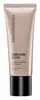
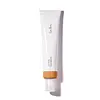
bareMinerals Complexion Rescue Tinted Hydrating Gel Cream SPF30 Versus Ere Perez Oat Milk Foundation


What's inside
What's inside
 Key Ingredients
Benefits
Concerns
Ingredients Side-by-side
Water
Skin ConditioningCoconut Alkanes
Emollient


Propanediol
Solvent

Titanium Dioxide
Cosmetic Colorant

Squalane
Emollient
Sorbitan Sesquiisostearate
Emulsifying

Isostearic Acid
Cleansing
Polysorbate 60
Emulsifying
Trehalose
Humectant
Glycerin
Humectant
Agar
MaskingSilica
Abrasive


Moringa Oleifera Seed Extract
Skin Conditioning
Salicornia Herbacea Extract
Skin ConditioningMelilotus Officinalis Extract
AstringentTheobroma Cacao Seed Extract
Antioxidant
Coco-Caprylate/Caprate
Emollient
Caprylic/Capric Triglyceride
Masking
Caffeine
Skin Conditioning
Lauroyl Lysine
Skin Conditioning
Succinoglycan
Skin ConditioningAluminum Hydroxide
EmollientHydrogen Dimethicone

Citric Acid
Buffering

Disodium Phosphate
BufferingAcetyl Tetrapeptide-5
Humectant
Butylene Glycol
Humectant
Polyglyceryl-4 Laurate/Succinate
Cellulose Gum
Emulsion StabilisingMagnesium Chloride
Calcium Chloride
AstringentPotassium Chloride
Sodium Hyaluronate
Humectant

Magnesium Stearate
Cosmetic ColorantPhenoxyethanol
Preservative
Mica
Cosmetic ColorantCI 77491
Cosmetic ColorantCI 77492
Cosmetic ColorantCI 77499
Cosmetic ColorantCI 77891
Cosmetic ColorantWater, Coconut Alkanes, Propanediol, Titanium Dioxide, Squalane, Sorbitan Sesquiisostearate, Isostearic Acid, Polysorbate 60, Trehalose, Glycerin, Agar, Silica, Moringa Oleifera Seed Extract, Salicornia Herbacea Extract, Melilotus Officinalis Extract, Theobroma Cacao Seed Extract, Coco-Caprylate/Caprate, Caprylic/Capric Triglyceride, Caffeine, Lauroyl Lysine, Succinoglycan, Aluminum Hydroxide, Hydrogen Dimethicone, Citric Acid, Disodium Phosphate, Acetyl Tetrapeptide-5, Butylene Glycol, Polyglyceryl-4 Laurate/Succinate, Cellulose Gum, Magnesium Chloride, Calcium Chloride, Potassium Chloride, Sodium Hyaluronate, Magnesium Stearate, Phenoxyethanol, Mica, CI 77491, CI 77492, CI 77499, CI 77891
Water
Skin ConditioningCoco-Caprylate/Caprate
Emollient
Glycerin
Humectant
Polyglyceryl-6 Polyricinoleate
Emulsifying
Avena Sativa Kernel Extract
Abrasive
Prunus Persica Fruit Extract
Abrasive
Tocopheryl Acetate
Antioxidant
Biosaccharide Gum-1
Humectant
Sodium Anisate
AntimicrobialSodium Levulinate
Skin ConditioningMagnesium Sulfate
Sodium Salicylate
Preservative
Ethylhexylglycerin
Skin ConditioningCitric Acid
Buffering
Glyceryl Caprylate
EmollientPolyhydroxystearic Acid
Emulsifying
Potassium Sorbate
Preservative
CI 77491
Cosmetic ColorantCI 77492
Cosmetic ColorantCI 77499
Cosmetic ColorantCI 77891
Cosmetic ColorantWater, Coco-Caprylate/Caprate, Glycerin, Polyglyceryl-6 Polyricinoleate, Avena Sativa Kernel Extract, Prunus Persica Fruit Extract, Tocopheryl Acetate, Biosaccharide Gum-1, Sodium Anisate, Sodium Levulinate, Magnesium Sulfate, Sodium Salicylate, Ethylhexylglycerin, Citric Acid, Glyceryl Caprylate, Polyhydroxystearic Acid, Potassium Sorbate, CI 77491, CI 77492, CI 77499, CI 77891
Reviews
Ingredients Explained
These ingredients are found in both products.
Ingredients higher up in an ingredient list are typically present in a larger amount.
Ci 77491 is also hydrated iron III oxide. It's sole purpose is to give a red/pink hue to products.
Iron III oxides are classified as inorganic chemicals for coloring.
Synthetically created Ci 77491 is considered safer than those naturally found. This is because the synthetically created version may contain less impurities. Iron oxides are generally non-toxic and non-allergenic.
Learn more about CI 77491CI 77492 is also hydrated iron III oxide. It's sole purpose is to give a yellow hue to products.
Iron III oxides are classified as inorganic chemicals for coloring.
Synthetically created CI 77492 is considered safer than those naturally found. This is because the synthetically created version may contain less impurities. Iron oxides are generally non-toxic and non-allergenic.
Learn more about CI 77492Ci 77499 is also hydrated iron III oxide. It is created from mixing red and black iron oxides. This helps give shades of darkness to a product.
Iron III oxides are classified as inorganic chemicals for coloring.
Ci 77891 is a white pigment from Titanium dioxide. It is naturally found in minerals such as rutile and ilmenite.
It's main function is to add a white color to cosmetics. It can also be mixed with other colors to create different shades.
Ci 77891 is commonly found in sunscreens due to its ability to block UV rays.
Learn more about CI 77891Citric Acid is an alpha hydroxy acid (AHA) naturally found in citrus fruits like oranges, lemons, and limes.
Like other AHAs, citric acid can exfoliate skin by breaking down the bonds that hold dead skin cells together. This helps reveal smoother and brighter skin underneath.
However, this exfoliating effect only happens at high concentrations (20%) which can be hard to find in cosmetic products.
Due to this, citric acid is usually included in small amounts as a pH adjuster. This helps keep products slightly more acidic and compatible with skin's natural pH.
In skincare formulas, citric acid can:
While it can provide some skin benefits, research shows lactic acid and glycolic acid are generally more effective and less irritating exfoliants.
Most citric acid used in skincare today is made by fermenting sugars (usually from molasses). This synthetic version is identical to the natural citrus form but easier to stabilize and use in formulations.
Rosacea skin has a lower threshold for acids generally, with 62.5% of rosacea subjects in one study reacting to lactic acid in a sting test. This is why we mark citric acid as a potential rosacea trigger.
However, this ingredient shows up as a pH adjuster or chelator at roughly 0.1-1% in many products. These low levels are unlikely to be an issue for rosacea skin and becomes a potential trigger at exfoliating concentrations (20%). Because everybody's skin is unique, we recommend a patch test if you are unsure.
Learn more about Citric AcidCoco-Caprylate/Caprate is a lightweight ester created from coconut oil fatty acids, caprylic acid, and capric acid.
It is an emollient that helps soften skin and reduce transepidermal water loss (TEWL). What sets it apart from heavier emollients is its ultralight, non-greasy feel.
Once applied, this ingredient dries down quickly and leaves a dry, silky finish behind. This also helps improve spreadability and texture.
This ingredient has an excellent safety-record and is non-irritating.
Typical concentrations for cosmetics range from 0.5-62%.
Research on Malassezia growth found no growth on fatty acid esters with chain lengths shorter than 12 carbons (it prefers C11-24).
Since Coco-Caprylate/Caprate is built on C8 and C10 fatty acids, it is out of the range that Malassezia metabolizes, and therefore safe for fungal acne.
Learn more about Coco-Caprylate/CaprateGlycerin (or glycerol) is a compound naturally found in your skin. It's a powerhouse humectant that pulls water into the stratum corneum.
Topically, glycerin does several things at once:
Your skin makes glycerin on its own (mostly from sebaceous oil breakdown) and shuttles it to your outermost layer of skin, or your epidermis, via aquaporin-3.
Aquaporin-3 is a transporter that is essential for normal skin hydration, elasticity, and repair. Interestingly, mice lacking in AQP3 have dry and less elastic skin that can be fully corrected with glycerin.
This ingredient is non-irritating, plays well with almost every ingredient, and works across all skin types. Typical use is anywhere between 3-10% but can go up to 79% in some leave-on products.
Just know very high concentrations (>40%) can feel tacky in low humidity.
Glycerin is the name for this ingredient in American English. British English uses Glycerol/Glycerine.
Learn more about GlycerinWater. It's the most common cosmetic ingredient of all. You'll usually see it at the top of ingredient lists, meaning that it makes up the largest part of the product.
So why is it so popular? Water most often acts as a solvent - this means that it helps dissolve other ingredients into the formulation.
You'll also recognize water as that liquid we all need to stay alive. If you see this, drink a glass of water. Remember to stay hydrated!
Learn more about Water

