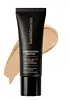
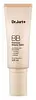
bareMinerals Complexion Rescue Natural Matte Tinted Moisturizer SPF 30 Versus Dr. Jart+ Premium BB Beauty Balm SPF 40


What's inside
What's inside
 Key Ingredients
Benefits
Concerns
Ingredients Side-by-side
Titanium Dioxide 6.9%
Cosmetic Colorant

Water
Skin ConditioningCoconut Alkanes
Emollient
Propanediol
Solvent

Squalane
Emollient
Trehalose
Humectant
Kaolin
Abrasive



Silica
Abrasive
Agar
MaskingIsostearic Acid
Cleansing



Polysorbate 60
Emulsifying
Sorbitan Sesquiisostearate
Emulsifying
Caprylic/Capric Triglyceride
Masking
Aluminum Hydroxide
EmollientPolyglyceryl-4 Laurate/Succinate
Phenoxyethanol
Preservative
Coco-Caprylate/Caprate
Emollient
Hydrogen Dimethicone

Glycerin
Humectant
Magnesium Stearate
Cosmetic ColorantChlorphenesin
Antimicrobial
Cellulose Gum
Emulsion StabilisingButylene Glycol
Humectant
Succinoglycan
Skin ConditioningSalicornia Herbacea Extract
Skin ConditioningLauroyl Lysine
Skin Conditioning
Hydrolyzed Hyaluronic Acid
Humectant
Sodium PCA
Humectant
1,2-Hexanediol
Skin Conditioning
Calcium Chloride
AstringentMagnesium Chloride
Biosaccharide Gum-4
Skin Conditioning
Potassium Chloride
Melilotus Officinalis Extract
AstringentPlankton Extract
Skin ConditioningCamellia Japonica Flower Extract
EmollientTheobroma Cacao Seed Extract
Antioxidant
Iron Oxides
CI 77891
Cosmetic ColorantTitanium Dioxide 6.9%, Water, Coconut Alkanes, Propanediol, Squalane, Trehalose, Kaolin, Silica, Agar, Isostearic Acid, Polysorbate 60, Sorbitan Sesquiisostearate, Caprylic/Capric Triglyceride, Aluminum Hydroxide, Polyglyceryl-4 Laurate/Succinate, Phenoxyethanol, Coco-Caprylate/Caprate, Hydrogen Dimethicone, Glycerin, Magnesium Stearate, Chlorphenesin, Cellulose Gum, Butylene Glycol, Succinoglycan, Salicornia Herbacea Extract, Lauroyl Lysine, Hydrolyzed Hyaluronic Acid, Sodium PCA, 1,2-Hexanediol, Calcium Chloride, Magnesium Chloride, Biosaccharide Gum-4, Potassium Chloride, Melilotus Officinalis Extract, Plankton Extract, Camellia Japonica Flower Extract, Theobroma Cacao Seed Extract, Iron Oxides, CI 77891
Water
Skin ConditioningCyclopentasiloxane
Emollient
Cyclohexasiloxane
Emollient
Glycerin
Humectant
PEG-10 Dimethicone
Skin Conditioning
Talc
Abrasive
Hexyl Laurate
Emollient
Dipropylene Glycol
HumectantC12-15 Alkyl Benzoate
AntimicrobialNiacinamide
Smoothing




Diphenylsiloxy Phenyl Trimethicone
Skin Conditioning
Disteardimonium Hectorite
StabilisingCitrus Aurantium Bergamia Fruit Oil
Masking



Citrus Limon Peel Oil
Masking

Citrus Aurantifolia Oil
Cleansing
Pinus Sylvestris Leaf Oil
Masking
Citrus Aurantium Dulcis Peel Oil
Masking
Adenosine
Skin Conditioning
Allantoin
Skin Conditioning
Ethylhexylglycerin
Skin ConditioningTrihydroxystearin
Skin Conditioning
Polyglyceryl-6 Polyricinoleate
Emulsifying
Methicone
Emollient
Dimethicone
Emollient
Dimethicone/Vinyl Dimethicone Crosspolymer
Skin Conditioning
1,2-Hexanediol
Skin Conditioning
Triethoxycaprylylsilane
Magnesium Sulfate
Eucalyptus Globulus Leaf Oil
Perfuming
Limonene
Perfuming
Tocopherol
Antioxidant
BHT
Antioxidant
Phenoxyethanol
Preservative
CI 77891
Cosmetic ColorantCI 77492
Cosmetic ColorantCI 77491
Cosmetic ColorantIron Oxides
Water, Cyclopentasiloxane, Cyclohexasiloxane, Glycerin, PEG-10 Dimethicone, Talc, Hexyl Laurate, Dipropylene Glycol, C12-15 Alkyl Benzoate, Niacinamide, Diphenylsiloxy Phenyl Trimethicone, Disteardimonium Hectorite, Citrus Aurantium Bergamia Fruit Oil, Citrus Limon Peel Oil, Citrus Aurantifolia Oil, Pinus Sylvestris Leaf Oil, Citrus Aurantium Dulcis Peel Oil, Adenosine, Allantoin, Ethylhexylglycerin, Trihydroxystearin, Polyglyceryl-6 Polyricinoleate, Methicone, Dimethicone, Dimethicone/Vinyl Dimethicone Crosspolymer, 1,2-Hexanediol, Triethoxycaprylylsilane, Magnesium Sulfate, Eucalyptus Globulus Leaf Oil, Limonene, Tocopherol, BHT, Phenoxyethanol, CI 77891, CI 77492, CI 77491, Iron Oxides
Reviews
Ingredients Explained
These ingredients are found in both products.
Ingredients higher up in an ingredient list are typically present in a larger amount.
1,2-Hexanediol is a synthetic liquid and another multi-functional powerhouse.
It is a:
- Humectant, drawing moisture into the skin
- Emollient, helping to soften skin
- Solvent, dispersing and stabilizing formulas
- Preservative booster, enhancing the antimicrobial activity of other preservatives
Ci 77891 is a white pigment from Titanium dioxide. It is naturally found in minerals such as rutile and ilmenite.
It's main function is to add a white color to cosmetics. It can also be mixed with other colors to create different shades.
Ci 77891 is commonly found in sunscreens due to its ability to block UV rays.
Learn more about CI 77891Glycerin (or glycerol) is a compound naturally found in your skin. It's a powerhouse humectant that pulls water into the stratum corneum.
Topically, glycerin does several things at once:
Your skin makes glycerin on its own (mostly from sebaceous oil breakdown) and shuttles it to your outermost layer of skin, or your epidermis, via aquaporin-3.
Aquaporin-3 is a transporter that is essential for normal skin hydration, elasticity, and repair. Interestingly, mice lacking in AQP3 have dry and less elastic skin that can be fully corrected with glycerin.
This ingredient is non-irritating, plays well with almost every ingredient, and works across all skin types. Typical use is anywhere between 3-10% but can go up to 79% in some leave-on products.
Just know very high concentrations (>40%) can feel tacky in low humidity.
Glycerin is the name for this ingredient in American English. British English uses Glycerol/Glycerine.
Learn more about GlycerinPhenoxyethanol is one of the most widely used preservatives in skincare (and for good reason!).
It has a large spectrum of antimicrobial activity and especially effective bacteria, yeast, and mold while only having a weak effect on your skin's natural microbiome.
On a cellular level, it disrupts the cell membranes of microbes by poking holes that make the cell leak. This shuts down the chemical reactions the microbe needs to make energy so it can no longer survive.
Another perk of this ingredient is that it stays functional across a wide pH range (3-10).
You'll often see it paired with boosters like Ethylhexylglycerin; one study showed that a 1:9 ratio of Ethylhexylglycerin to Phenoxyethanol damages bacterial membranes as effectively as doubling the Phenoxyethanol concentration on its own.
Typical use concentrations range from 0.3-1% depending on the formula, and this ingredient is capped at 1% int the EU.
Safety-wise, the fear mongering does not hold up to the evidence. The EU's Scientific Committee on Consumer Safety and FDA consider it safe as a preservative at up to 1%, including for children of all ages.
Adverse systemic effects only showed up in animal studies at exposures roughly 200x higher than what people get from cosmetics. And despite its very widespread use, this ingredient is a rare sensitizer and allergic reactions are uncommon.
Learn more about PhenoxyethanolWater. It's the most common cosmetic ingredient of all. You'll usually see it at the top of ingredient lists, meaning that it makes up the largest part of the product.
So why is it so popular? Water most often acts as a solvent - this means that it helps dissolve other ingredients into the formulation.
You'll also recognize water as that liquid we all need to stay alive. If you see this, drink a glass of water. Remember to stay hydrated!
Learn more about WaterThis ingredient is a combination of red, black, and yellow iron oxide pigments. This combination of colors is usually found in foundation, because it results in a "skin" color.
The EU typically uses CI numbers for colorants when applicable, such as CI 77489. In the US, iron oxides are regulated as color additives and "iron oxides" is the most commonly used name in US cosmetic practice.
A 2021 paper looked at skincare formulations containing iron oxides and found that they reduced transmission of blue light when measured optically. In simple terms, the pigment particles helped block or scatter part of the visible light spectrum in lab testing and the authors suggest this could translate into better protection against blue-light-related skin effects.
There is also clinical and experimental research showing that tinted products containing iron oxides can reduce visible light-induced pigmentation:
Please note, whether a product reduces visible or blue light depends on things like:
In the EU's CosIng database, iron oxides are only listed as a colorant. CosIng groups ingredients by their main cosmetic role, such as colorant, preservative, or UV filter.
Though studies say iron oxides can "attenuate blue light", they're describing an optical property and not an officially recognized cosmetic function.
So CosIng isn’t contradicting the research. It’s just classifying iron oxides by what they officially are: pigments that add color.
Learn more about Iron Oxides

