

What's inside
What's inside
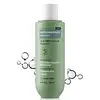 Key Ingredients
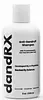
Benefits
Concerns
Ingredients Side-by-side
Water
Skin ConditioningSodium Lauroyl Methyl Isethionate
CleansingCocamidopropyl Betaine
Cleansing



Propanediol
Solvent

Dimethiconol
Emollient
Glycerin
Humectant
Tea-Dodecylbenzenesulfonate
CleansingAcrylates Copolymer
Parfum
Masking

Piroctone Olamine
Preservative
Salicylic Acid
Masking






Epilobium Angustifolium Extract
Skin ConditioningPanthenol
Skin Conditioning

Rosmarinus Officinalis Leaf Extract
AntimicrobialNasturtium Officinale Extract
Perfuming
Salvia Officinalis Leaf Extract
CleansingNiacin
SmoothingBiotin
AntiseborrhoeicAloe Barbadensis Leaf Extract
Emollient
Menthol
Masking
Milk Protein
Skin ConditioningStearamidopropyl Dimethylamine
EmulsifyingGlycol Stearate
Emollient
Guar Hydroxypropyltrimonium Chloride
Skin ConditioningMica
Cosmetic ColorantTitanium Dioxide
Cosmetic Colorant

Tin Oxide
Abrasive
PEG-45m
HumectantSodium Chloride
MaskingCitric Acid
Buffering
Phenoxyethanol
Preservative
Sodium Benzoate
Masking
Disodium EDTA
ChelatingWater, Sodium Lauroyl Methyl Isethionate, Cocamidopropyl Betaine, Propanediol, Dimethiconol, Glycerin, Tea-Dodecylbenzenesulfonate, Acrylates Copolymer, Parfum, Piroctone Olamine, Salicylic Acid, Epilobium Angustifolium Extract, Panthenol, Rosmarinus Officinalis Leaf Extract, Nasturtium Officinale Extract, Salvia Officinalis Leaf Extract, Niacin, Biotin, Aloe Barbadensis Leaf Extract, Menthol, Milk Protein, Stearamidopropyl Dimethylamine, Glycol Stearate, Guar Hydroxypropyltrimonium Chloride, Mica, Titanium Dioxide, Tin Oxide, PEG-45m, Sodium Chloride, Citric Acid, Phenoxyethanol, Sodium Benzoate, Disodium EDTA
Ketoconazole 1%
Aloe Barbadensis Leaf Juice
Skin Conditioning
Sodium Cocoyl Isethionate
Cleansing
Sodium Lauroyl Methyl Isethionate
CleansingCocamidopropyl Hydroxysultaine
Cleansing
Avena Sativa Kernel Flour
Abrasive
Panthenol
Skin Conditioning
Chamomilla Recutita Flower Extract
Masking
Camellia Sinensis Leaf Extract
Antimicrobial

Calendula Officinalis Flower Extract
Masking
Glycerin
Humectant
Squalane
Emollient
Caprylic/Capric Triglyceride
Masking
Melaleuca Alternifolia Leaf Oil
Antioxidant

Azadirachta Indica Leaf Extract
Skin ConditioningMentha Piperita Oil
Masking
Leuconostoc/Radish Root Ferment Filtrate
Antimicrobial
Sodium Benzoate
Masking
Potassium Sorbate
Preservative
Citric Acid
Buffering
Ketoconazole 1%, Aloe Barbadensis Leaf Juice, Sodium Cocoyl Isethionate, Sodium Lauroyl Methyl Isethionate, Cocamidopropyl Hydroxysultaine, Avena Sativa Kernel Flour, Panthenol, Chamomilla Recutita Flower Extract, Camellia Sinensis Leaf Extract, Calendula Officinalis Flower Extract, Glycerin, Squalane, Caprylic/Capric Triglyceride, Melaleuca Alternifolia Leaf Oil, Azadirachta Indica Leaf Extract, Mentha Piperita Oil, Leuconostoc/Radish Root Ferment Filtrate, Sodium Benzoate, Potassium Sorbate, Citric Acid
Ingredients Explained
These ingredients are found in both products.
Ingredients higher up in an ingredient list are typically present in a larger amount.
Citric Acid is an alpha hydroxy acid (AHA) naturally found in citrus fruits like oranges, lemons, and limes.
Like other AHAs, citric acid can exfoliate skin by breaking down the bonds that hold dead skin cells together. This helps reveal smoother and brighter skin underneath.
However, this exfoliating effect only happens at high concentrations (20%) which can be hard to find in cosmetic products.
Due to this, citric acid is usually included in small amounts as a pH adjuster. This helps keep products slightly more acidic and compatible with skin's natural pH.
In skincare formulas, citric acid can:
While it can provide some skin benefits, research shows lactic acid and glycolic acid are generally more effective and less irritating exfoliants.
Most citric acid used in skincare today is made by fermenting sugars (usually from molasses). This synthetic version is identical to the natural citrus form but easier to stabilize and use in formulations.
Rosacea skin has a lower threshold for acids generally, with 62.5% of rosacea subjects in one study reacting to lactic acid in a sting test. This is why we mark citric acid as a potential rosacea trigger.
However, this ingredient shows up as a pH adjuster or chelator at roughly 0.1-1% in many products. These low levels are unlikely to be an issue for rosacea skin and becomes a potential trigger at exfoliating concentrations (20%). Because everybody's skin is unique, we recommend a patch test if you are unsure.
Learn more about Citric AcidGlycerin (or glycerol) is a compound naturally found in your skin. It's a powerhouse humectant that pulls water into the stratum corneum.
Topically, glycerin does several things at once:
Your skin makes glycerin on its own (mostly from sebaceous oil breakdown) and shuttles it to your outermost layer of skin, or your epidermis, via aquaporin-3.
Aquaporin-3 is a transporter that is essential for normal skin hydration, elasticity, and repair. Interestingly, mice lacking in AQP3 have dry and less elastic skin that can be fully corrected with glycerin.
This ingredient is non-irritating, plays well with almost every ingredient, and works across all skin types. Typical use is anywhere between 3-10% but can go up to 79% in some leave-on products.
Just know very high concentrations (>40%) can feel tacky in low humidity.
Glycerin is the name for this ingredient in American English. British English uses Glycerol/Glycerine.
Learn more about GlycerinPanthenol is a common ingredient that helps hydrate and soothe the skin. It is found naturally in our skin and hair.
There are two forms of panthenol: D and L.
D-panthenol is also known as dexpanthenol. Most cosmetics use dexpanthenol or a mixture of D and L-panthenol.
Panthenol is famous due to its ability to go deeper into the skin's layers. Using this ingredient has numerous pros (and no cons):
Like hyaluronic acid, panthenol is a humectant. Humectants are able to bind and hold large amounts of water to keep skin hydrated.
This ingredient works well for wound healing. It works by increasing tissue in the wound and helps close open wounds.
Once oxidized, panthenol converts to pantothenic acid. Panthothenic acid is found in all living cells.
This ingredient is also referred to as pro-vitamin B5.
Learn more about PanthenolSodium Benzoate is a preservative. It's used in both cosmetic and food products to inhibit the growth of mold and bacteria. It is typically produced synthetically.
Both the US FDA and EU Health Committee have approved the use of sodium benzoate. In the US, levels of 0.1% (of the total product) are allowed.
Sodium benzoate works as a preservative by inhibiting the growth of bacteria inside of cells. It prevents the cell from fermenting a type of sugar using an enzyme called phosphofructokinase.
It is the salt of benzoic acid. Foods containing sodium benzoate include soda, salad dressings, condiments, fruit juices, wines, and snack foods.
Studies for using ascorbic acid and sodium benzoate in cosmetics are lacking, especially in skincare routines with multiple steps.
We always recommend speaking with a professional, such as a dermatologist, if you have any concerns.
Learn more about Sodium BenzoateSodium Lauroyl Methyl Isethionate is a gentle, sulfate-free cleansing agent. It's basically a mild "soap" molecule derived from coconut that makes a soft, cream foam and is very soluble in water.
Typical concentration use ranges from ~0.6-10% in rinse off products and only trace amounts (~0.009%) in leave on products.
The Cosmetic Ingredient Review Expert Panel has assessed it and concluded it to be safe as used at these concentrations when formulated to be non-irritating.
Allergy and sensitization risk is low and often when someone reacts to a cleanser it's due to the fragrance or preservatives rather than this ingredient itself.
Learn more about Sodium Lauroyl Methyl Isethionate

