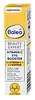
This brightening eye moisturizer is formulated around Niacinamide and Ascorbyl Glucoside to brighten dull-looking skin and soften the look of wrinkles.
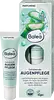
This brightening eye moisturizer is formulated around Aloe Barbadensis Leaf Juice and Caffeine to brighten dull-looking skin and hydrate skin.

What's inside
What's inside
 Key Ingredients
Benefits
Concerns
Ingredients Side-by-side
Water
Skin ConditioningHelianthus Annuus Seed Oil
Emollient



Niacinamide
Smoothing











Pentylene Glycol
Skin Conditioning
Glyceryl Stearate Citrate
Emollient
Glycerin
Humectant
Ascorbyl Glucoside
Antioxidant

Caffeine
Skin Conditioning
Pentaerythrityl Distearate
Emulsifying
Stearyl Alcohol
Emollient
Behenyl Alcohol
Emollient
Glyceryl Stearate
Emollient
Oleyl Erucate
Emollient
Cetearyl Alcohol
Emollient



Myristyl Myristate
Emollient
Mannitol
Humectant
Acetyl Tetrapeptide-9
Skin Conditioning
Acetyl Tetrapeptide-11
Skin Conditioning
Caprylyl Glycol
Emollient
1,2-Hexanediol
Skin Conditioning
Sodium Benzoate
Masking
Sodium Stearoyl Glutamate
CleansingXanthan Gum
EmulsifyingSclerotium Gum
Emulsion StabilisingSodium Hydroxide
BufferingTrisodium Ethylenediamine Disuccinate
ChelatingTocopherol
Antioxidant
Hydrogenated Palm Glycerides Citrate
Emollient
Water, Helianthus Annuus Seed Oil, Niacinamide, Pentylene Glycol, Glyceryl Stearate Citrate, Glycerin, Ascorbyl Glucoside, Caffeine, Pentaerythrityl Distearate, Stearyl Alcohol, Behenyl Alcohol, Glyceryl Stearate, Oleyl Erucate, Cetearyl Alcohol, Myristyl Myristate, Mannitol, Acetyl Tetrapeptide-9, Acetyl Tetrapeptide-11, Caprylyl Glycol, 1,2-Hexanediol, Sodium Benzoate, Sodium Stearoyl Glutamate, Xanthan Gum, Sclerotium Gum, Sodium Hydroxide, Trisodium Ethylenediamine Disuccinate, Tocopherol, Hydrogenated Palm Glycerides Citrate
Water
Skin ConditioningAloe Barbadensis Leaf Juice
Skin Conditioning
Helianthus Annuus Seed Oil
Emollient
Glycerin
Humectant
C12-15 Alkyl Benzoate
AntimicrobialGlyceryl Stearate Citrate
Emollient
Prunus Amygdalus Dulcis Oil
Skin Conditioning
Simmondsia Chinensis Seed Oil
Emollient
Cetearyl Alcohol
Emollient
Butyl Methoxydibenzoylmethane
UV Absorber
Ethylhexyl Triazone
UV Absorber
Hydrogenated Vegetable Glycerides
EmollientTocopheryl Acetate
Antioxidant
Panthenol
Skin Conditioning
Caffeine
Skin Conditioning
Bellis Perennis Flower Extract
Skin ConditioningPhenoxyethanol
Preservative
3-O-Ethyl Ascorbic Acid
Skin Conditioning
Xanthan Gum
EmulsifyingEthylhexylglycerin
Skin ConditioningDisodium EDTA
ChelatingLecithin
Emollient
Ascorbyl Palmitate
Antioxidant
Glyceryl Stearate
Emollient
Phenethyl Alcohol
MaskingPantolactone
Humectant
Glyceryl Oleate
Emollient

Citric Acid
Buffering
Water, Aloe Barbadensis Leaf Juice, Helianthus Annuus Seed Oil, Glycerin, C12-15 Alkyl Benzoate, Glyceryl Stearate Citrate, Prunus Amygdalus Dulcis Oil, Simmondsia Chinensis Seed Oil, Cetearyl Alcohol, Butyl Methoxydibenzoylmethane, Ethylhexyl Triazone, Hydrogenated Vegetable Glycerides, Tocopheryl Acetate, Panthenol, Caffeine, Bellis Perennis Flower Extract, Phenoxyethanol, 3-O-Ethyl Ascorbic Acid, Xanthan Gum, Ethylhexylglycerin, Disodium EDTA, Lecithin, Ascorbyl Palmitate, Glyceryl Stearate, Phenethyl Alcohol, Pantolactone, Glyceryl Oleate, Citric Acid
Reviews
Ingredients Explained
These ingredients are found in both products.
Ingredients higher up in an ingredient list are typically present in a larger amount.
Caffeine is a naturally occurring plant compound found in coffee beans, tea leaves, cocoa pods, and guarana.
As an antioxidant, caffeine protects your skin from free radical damage caused by UV exposure and envionrmnetal stressors.
Early research also shows that caffeine can help calm redness, soothe irritated skin, and support hair growth by stimulating microcirculation in the scalp.
You might have seen eye creams marketing caffeine as a depuffing ingredient. This is because it is a vasoconstrictor meaning it can temporarily constrict blood vessels, though clinical evidence for this specific use is still limited.
Most skincare products contain this ingredient at concentrations between 1-6%. It is able to penetrate skin easily regardless of skin type or thickness.
Just so you know, a very small number of case reports describe caffeine-induced allergy. This ingredient is generally well-tolerated, non-irritating, and non-sensitizing for the majority of people.
Learn more about CaffeineCetearyl alcohol is a waxy mixture of two fatty alcohols: cetyl alcohol and stearyl alcohol. It is an emollient and emulsifier.
Despite having "alcohol" in its name, it has nothing to do with drying solvent alcohols; the FDA also allows "alcohol-free" products to contain fatty alcohols like this ingredient.
It plays several roles in a formula:
Typical use levels for this ingredient sit around 1-10% and the Cosmetic Ingredient Review Expert Panel has affirmed safety at concentrations up to 25% in leave-on products.
Multiple assessments have found it to be non-irritating and non-sensitizing to most people.
However, there have been some cases of allergic contact dermatitis in patients with chronically compromised skin barriers.
Cetearyl alcohol has a comedogenic rating of 2 and irritancy rating of 1. Both of these numbers come from the 1989 study that used rabbit ears; a "2" means mildly comedogenic and a "1" means low irritancy.
Here's the catch: rabbit skin is more sensitive than human skin and throws a lot of false positives. A 1996 reappraisal found that ingredients rated 1-2 in the rabbit ear tests are generally safe for humans.
Remember comedogenic ratings are unable to assess the entire formula of a product or how it will react on your skin. Just be sure to patch test if you are unsure about certain ingredients.
This ingredient is not fungal acne safe. Cetearyl alcohol is a fatty alcohol with chain lengths that fall within the range that Malassezia can metabolize.
A 2019 study has also observed Malassezia growth in the presence of this ingredient, confirming it to be not-fungal acne safe.
Learn more about Cetearyl AlcoholGlycerin (or glycerol) is a compound naturally found in your skin. It's a powerhouse humectant that pulls water into the stratum corneum.
Topically, glycerin does several things at once:
Your skin makes glycerin on its own (mostly from sebaceous oil breakdown) and shuttles it to your outermost layer of skin, or your epidermis, via aquaporin-3.
Aquaporin-3 is a transporter that is essential for normal skin hydration, elasticity, and repair. Interestingly, mice lacking in AQP3 have dry and less elastic skin that can be fully corrected with glycerin.
This ingredient is non-irritating, plays well with almost every ingredient, and works across all skin types. Typical use is anywhere between 3-10% but can go up to 79% in some leave-on products.
Just know very high concentrations (>40%) can feel tacky in low humidity.
Glycerin is the name for this ingredient in American English. British English uses Glycerol/Glycerine.
Learn more about GlycerinGlyceryl Stearate is made by reacting glycerin with stearic acid (typically sourced from plant oils like palm or coconut). It's an emulsifier, emollient, and mild occlusive.
Emulsifiers help ingredients like oil and water stay mixed so your formula stays nicely blended and uniform in texture.
This ingredient is typically used in concentrations between 1-10%. Studies have found it to be non-sensitizing, non-phototoxic, and non-photoallergenic.
A close cousin of this ingredient is Glyceryl Stearate SE ("self-emulsifying"). This just has a small amount of sodium or potassium stearate added so it can emulsify without a co-emulsifier.
Since this ingredient is an ester of a C18 fatty acid, it may not be fungal acne safe. The Malassezia yeast can potentially metabolize within the C11-C24 range.
Fun fact: The human body also creates Glyceryl Stearate naturally.
Learn more about Glyceryl StearateGlyceryl Stearate Citrate is a citric acid ester of glyceryl stearate.
It is an emulsifier, emollient, and a surfactant.
Emulsifiers help stabilize a product. It does this by preventing certain ingredients from separating. Common ingredients include oils and water, which do not mix naturally. Emulsifiers have properties that help keep ingredients such as these together.
Emollients help soothe and soften the skin. They do this by creating a protective film on your skin. This barrier helps trap moisture and keeps your skin hydrated. Emollients may be effective at treating dry or itchy skin.
Surfactants help gather oils, dirt, and other pollutants from the skin. This helps them to be easily rinsed away.
Learn more about Glyceryl Stearate CitrateHelianthus Annuus Seed Oil is a plant oil derived from the seeds of a sunflower.
It is rich in fatty acids, primarily linoleic acid and oleic acid. This gives it emollient and skin conditioning properties.
The reason this ingredient is so effective is because it forms a thin film on the skin that reduces transepidermal water loss (TEWL) while supplying linoleic acid to the stratum corneum to improve barrier strength.
The high linoleic acid content is particularly noteworthy for acne-prone skin.
Research suggests that acne-prone skin tends to be deficient in linoleic acid in sebum. Topical application may help replenish this to support a healthier follicular environment and less comedone-promoting sebum.
One randomized study found sunflower seed oil preserved skin barrier integrity in adult volunteers with and without atopic dermatitis (outperforming olive oil).
This ingredient is well-studied, gentle, and an effective emollient suitable for most skin types.
On fungal acne: This ingredient may not be Fungal acne (Malassezia folliculitis) safe. This is because it contains fatty acids with carbon chain lengths in the C11-C24 range.
Learn more about Helianthus Annuus Seed OilWater. It's the most common cosmetic ingredient of all. You'll usually see it at the top of ingredient lists, meaning that it makes up the largest part of the product.
So why is it so popular? Water most often acts as a solvent - this means that it helps dissolve other ingredients into the formulation.
You'll also recognize water as that liquid we all need to stay alive. If you see this, drink a glass of water. Remember to stay hydrated!
Learn more about WaterXanthan gum is used as a stabilizer and thickener within cosmetic products. It helps give products a sticky, thick feeling - preventing them from being too runny.
On the technical side of things, xanthan gum is a polysaccharide - a combination consisting of multiple sugar molecules bonded together.
Xanthan gum is a pretty common and great ingredient. It is a natural, non-toxic, non-irritating ingredient that is also commonly used in food products.
Learn more about Xanthan Gum

