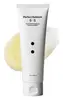
This oil-based makeup remover is made to dissolve makeup, sunscreen, and daily buildup.
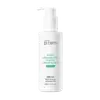
This mild cream cleanser is made to cleanse without leaving your skin tight or dry.

What's inside
What's inside
 Key Ingredients
Benefits
Concerns
Ingredients Side-by-side
Ethylhexyl Palmitate
Emollient




Triethylhexanoin
MaskingGlycerin
Humectant


Coco-Caprylate/Caprate
Emollient
Water
Skin ConditioningPolyglyceryl-10 Myristate
Skin Conditioning
Kaolin
Abrasive



Caprylic/Capric Triglyceride
Masking
Centella Asiatica Extract
Cleansing



Laminaria Japonica Extract
Skin Protecting
Eclipta Prostrata Leaf Extract
Skin ConditioningElaeis Guineensis Oil
Emollient
Sodium Hyaluronate
Humectant
Hydrogenated Lecithin
Emulsifying
Sucrose Stearate
EmollientSucrose Laurate
Emollient
Sucrose Myristate
EmollientPentaerythrityl Tetra-Di-T-Butyl Hydroxyhydrocinnamate
Antioxidant
Butylene Glycol
Humectant
Hydrolyzed Hyaluronic Acid
Humectant
Dimethylsilanol Hyaluronate
Humectant
Dipropylene Glycol
HumectantHydrolyzed Sodium Hyaluronate
Skin Conditioning
Potassium Hyaluronate
Skin ConditioningHyaluronic Acid
Humectant
Sodium Hyaluronate Crosspolymer
Humectant
Hydroxypropyltrimonium Hyaluronate
Sodium Hyaluronate Dimethylsilanol
HumectantSodium Acetylated Hyaluronate
Humectant
Fructooligosaccharides
Humectant
Beta-Glucan
Skin Conditioning
1,2-Hexanediol
Skin Conditioning
Ethylhexyl Palmitate, Triethylhexanoin, Glycerin, Coco-Caprylate/Caprate, Water, Polyglyceryl-10 Myristate, Kaolin, Caprylic/Capric Triglyceride, Centella Asiatica Extract, Laminaria Japonica Extract, Eclipta Prostrata Leaf Extract, Elaeis Guineensis Oil, Sodium Hyaluronate, Hydrogenated Lecithin, Sucrose Stearate, Sucrose Laurate, Sucrose Myristate, Pentaerythrityl Tetra-Di-T-Butyl Hydroxyhydrocinnamate, Butylene Glycol, Hydrolyzed Hyaluronic Acid, Dimethylsilanol Hyaluronate, Dipropylene Glycol, Hydrolyzed Sodium Hyaluronate, Potassium Hyaluronate, Hyaluronic Acid, Sodium Hyaluronate Crosspolymer, Hydroxypropyltrimonium Hyaluronate, Sodium Hyaluronate Dimethylsilanol, Sodium Acetylated Hyaluronate, Fructooligosaccharides, Beta-Glucan, 1,2-Hexanediol
Water
Skin ConditioningOlea Europaea Fruit Oil
Masking
Carthamus Tinctorius Seed Oil
Masking
Isopentyldiol
Humectant
Glycerin
Humectant
Glyceryl Stearate
Emollient
Decyl Glucoside
Cleansing
Arachidyl Alcohol
Emollient
1,2-Hexanediol
Skin Conditioning
Glycine Soja Protein
EmulsifyingCynanchum Atratum Extract
Skin ConditioningLimnanthes Alba Seed Oil
Skin Conditioning
Ceramide NP
Skin Conditioning
Hydrolyzed Hyaluronic Acid
Humectant
Sodium Hyaluronate
Humectant
Panthenol
Skin Conditioning
Tocopherol
Antioxidant


Allantoin
Skin Conditioning
Arginine
Masking
Ethylhexylglycerin
Skin ConditioningXanthan Gum
EmulsifyingAcrylates/C10-30 Alkyl Acrylate Crosspolymer
Emulsion StabilisingBis-Ethoxydiglycol Succinate
HumectantArachidyl Glucoside
EmulsifyingGlucose
Humectant
Hydroxyacetophenone
Antioxidant
Betaine Salicylate
Antimicrobial

Cetearyl Alcohol
Emollient
Behenyl Alcohol
Emollient
Citric Acid
Buffering
Citrus Aurantium Bergamia Fruit Oil
Masking
Salvia Sclarea Oil
Masking
Water, Olea Europaea Fruit Oil, Carthamus Tinctorius Seed Oil, Isopentyldiol, Glycerin, Glyceryl Stearate, Decyl Glucoside, Arachidyl Alcohol, 1,2-Hexanediol, Glycine Soja Protein, Cynanchum Atratum Extract, Limnanthes Alba Seed Oil, Ceramide NP, Hydrolyzed Hyaluronic Acid, Sodium Hyaluronate, Panthenol, Tocopherol, Allantoin, Arginine, Ethylhexylglycerin, Xanthan Gum, Acrylates/C10-30 Alkyl Acrylate Crosspolymer, Bis-Ethoxydiglycol Succinate, Arachidyl Glucoside, Glucose, Hydroxyacetophenone, Betaine Salicylate, Cetearyl Alcohol, Behenyl Alcohol, Citric Acid, Citrus Aurantium Bergamia Fruit Oil, Salvia Sclarea Oil
Reviews
Ingredients Explained
These ingredients are found in both products.
Ingredients higher up in an ingredient list are typically present in a larger amount.
1,2-Hexanediol is a synthetic liquid and another multi-functional powerhouse.
It is a:
- Humectant, drawing moisture into the skin
- Emollient, helping to soften skin
- Solvent, dispersing and stabilizing formulas
- Preservative booster, enhancing the antimicrobial activity of other preservatives
Glycerin (or glycerol) is a compound naturally found in your skin. It's a powerhouse humectant that pulls water into the stratum corneum.
Topically, glycerin does several things at once:
Your skin makes glycerin on its own (mostly from sebaceous oil breakdown) and shuttles it to your outermost layer of skin, or your epidermis, via aquaporin-3.
Aquaporin-3 is a transporter that is essential for normal skin hydration, elasticity, and repair. Interestingly, mice lacking in AQP3 have dry and less elastic skin that can be fully corrected with glycerin.
This ingredient is non-irritating, plays well with almost every ingredient, and works across all skin types. Typical use is anywhere between 3-10% but can go up to 79% in some leave-on products.
Just know very high concentrations (>40%) can feel tacky in low humidity.
Glycerin is the name for this ingredient in American English. British English uses Glycerol/Glycerine.
Learn more about GlycerinHydrolyzed Hyaluronic Acid is hyaluronic acid (HA) that is broken down into lower molecular weight fragments.
It's a humectant that pulls and holds water in the skin to help with hydration, plumpness, and reduce transepidermal water loss.
Because hydrolyzed hyaluronic acid is smaller in size, it can slip past your outermost layer of skin more easily than full-sized HA.
Most formulations will combine all sizes to get the best of both worlds.
Typical usage levels range from 0.01-1%. Any percentage higher than 2% might become goopy and tacky.
Learn more about Hydrolyzed Hyaluronic AcidSodium Hyaluronate is the salt form of hyaluronic acid. It is a long sugar chain that is naturally found in your skin, joints, and connective tissue that maintains hydration and elasticity.
In skincare, it works as a humectant. It pulls water from the environment and deeper layers of skin and binds it to the surface.
Interestingly, the size of the molecule affects its behavior:
Some clinical evidence links low molecular weight versions to improved wrinkle depth, elasticity, anti-inflammatory effects, and barrier repair.
Many serums use a blend of both weights so you can get surface hydration plus longer-lasting and deeper effects.
You'll typically see concentrations between 0.1-2% for this ingredient.
Learn more about Sodium HyaluronateWater. It's the most common cosmetic ingredient of all. You'll usually see it at the top of ingredient lists, meaning that it makes up the largest part of the product.
So why is it so popular? Water most often acts as a solvent - this means that it helps dissolve other ingredients into the formulation.
You'll also recognize water as that liquid we all need to stay alive. If you see this, drink a glass of water. Remember to stay hydrated!
Learn more about Water

