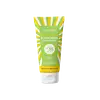
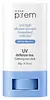
Azarine Calm My Acne Sunscreen Moisturiser SPF 35 PA+++ Versus Make p:rem Defense Me Calming Sun Stick SPF50+ PA++++
This chemical sunscreen covers most of the UV range, lighter on the deep UVA that drives aging.
This hybrid sunscreen covers the full UV range and blocks ~98% of UVB at SPF 50.


What's inside
What's inside
 Key Ingredients
Benefits
Concerns
Ingredients Side-by-side
Water
Skin ConditioningGlycerin
Humectant


Ethylhexyl Methoxycinnamate
UV Absorber


Butyl Methoxydibenzoylmethane
UV Absorber
Epilobium Angustifolium Flower/Leaf/Stem Extract
Skin ConditioningAcrylates Crosspolymer
AbsorbentInulin Lauryl Carbamate
Emulsion StabilisingEthylhexyl Triazone
UV Absorber
Chlorphenesin
Antimicrobial
Bisabolol
Antioxidant


Sodium Hyaluronate
Humectant

Bakuchiol
Antimicrobial




Ectoin
Skin Conditioning
Phenoxyethanol
Preservative
Octocrylene
UV Absorber
Sodium Surfactin
CleansingQuaternium-73
Water, Glycerin, Ethylhexyl Methoxycinnamate, Butyl Methoxydibenzoylmethane, Epilobium Angustifolium Flower/Leaf/Stem Extract, Acrylates Crosspolymer, Inulin Lauryl Carbamate, Ethylhexyl Triazone, Chlorphenesin, Bisabolol, Sodium Hyaluronate, Bakuchiol, Ectoin, Phenoxyethanol, Octocrylene, Sodium Surfactin, Quaternium-73
Isopropyl Palmitate
Emollient



Zinc Oxide
Cosmetic Colorant
Polyethylene
Abrasive
Coco-Caprylate/Caprate
Emollient
Benzotriazolyl Dodecyl P-Cresol
UV AbsorberButylene Glycol Dicaprylate/Dicaprate
EmollientC12-15 Alkyl Benzoate
AntimicrobialVinyl Dimethicone/Methicone Silsesquioxane Crosspolymer

Acrylates Copolymer
Caprylic/Capric Triglyceride
Masking
Methyl Methacrylate Crosspolymer
Butyloctyl Salicylate
Skin Conditioning
Vinyldimethicone
Ozokerite
Emulsion StabilisingPolymethyl Methacrylate
Synthetic Fluorphlogopite
Moringa Oleifera Seed Extract
Skin Conditioning
Cardiospermum Halicacabum Flower/Leaf/Vine Extract
Skin ConditioningRosmarinus Officinalis Leaf Extract
AntimicrobialBambusa Vulgaris Water
Skin ConditioningRibes Nigrum Seed Oil
Emollient
Helianthus Annuus Seed Oil
Emollient
Cerium Oxide
Helianthus Annuus Seed Oil Unsaponifiables
Emollient
Fructan
Skin ConditioningPyrus Communis Fruit Extract
Skin ConditioningPrunus Persica Fruit Extract
Abrasive
Cucumis Melo Fruit Extract
Skin ConditioningHedera Helix Leaf/Stem Extract
AntimicrobialSolidago Virgaurea Extract
Skin ConditioningEugenia Caryophyllus Bud Extract
Perfuming
Rosa Damascena Flower Water
Masking
Jasminum Officinale Flower Water
MaskingCaprylyl Glycol
Emollient
Polyglyceryl-4 Diisostearate/Polyhydroxystearate/Sebacate
Emulsifying
Triethoxycaprylylsilane
Polyhydroxystearic Acid
Emulsifying
Polymethylsilsesquioxane
Silica
Abrasive
Propanediol
Solvent
Hydrogen Dimethicone
Tocopherol
Antioxidant
1,2-Hexanediol
Skin Conditioning
Water
Skin ConditioningOctyldodecanol
Emollient
Maltodextrin
Absorbent
Isopropyl Palmitate, Zinc Oxide, Polyethylene, Coco-Caprylate/Caprate, Benzotriazolyl Dodecyl P-Cresol, Butylene Glycol Dicaprylate/Dicaprate, C12-15 Alkyl Benzoate, Vinyl Dimethicone/Methicone Silsesquioxane Crosspolymer, Acrylates Copolymer, Caprylic/Capric Triglyceride, Methyl Methacrylate Crosspolymer, Butyloctyl Salicylate, Vinyldimethicone, Ozokerite, Polymethyl Methacrylate, Synthetic Fluorphlogopite, Moringa Oleifera Seed Extract, Cardiospermum Halicacabum Flower/Leaf/Vine Extract, Rosmarinus Officinalis Leaf Extract, Bambusa Vulgaris Water, Ribes Nigrum Seed Oil, Helianthus Annuus Seed Oil, Cerium Oxide, Helianthus Annuus Seed Oil Unsaponifiables, Fructan, Pyrus Communis Fruit Extract, Prunus Persica Fruit Extract, Cucumis Melo Fruit Extract, Hedera Helix Leaf/Stem Extract, Solidago Virgaurea Extract, Eugenia Caryophyllus Bud Extract, Rosa Damascena Flower Water, Jasminum Officinale Flower Water, Caprylyl Glycol, Polyglyceryl-4 Diisostearate/Polyhydroxystearate/Sebacate, Triethoxycaprylylsilane, Polyhydroxystearic Acid, Polymethylsilsesquioxane, Silica, Propanediol, Hydrogen Dimethicone, Tocopherol, 1,2-Hexanediol, Water, Octyldodecanol, Maltodextrin
Reviews
Ingredients Explained
These ingredients are found in both products.
Ingredients higher up in an ingredient list are typically present in a larger amount.
Water. It's the most common cosmetic ingredient of all. You'll usually see it at the top of ingredient lists, meaning that it makes up the largest part of the product.
So why is it so popular? Water most often acts as a solvent - this means that it helps dissolve other ingredients into the formulation.
You'll also recognize water as that liquid we all need to stay alive. If you see this, drink a glass of water. Remember to stay hydrated!
Learn more about Water

