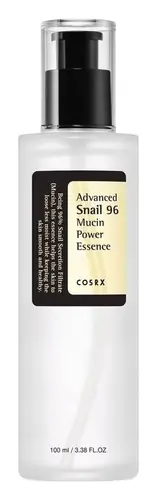
This hydrating essence is formulated around Cucumis Sativus Fruit Extract and Sodium Hyaluronate to hydrate skin and calm redness.
This oil-based makeup remover is made to dissolve makeup, sunscreen, and daily buildup.

What's inside
What's inside
 Key Ingredients
Benefits
Concerns
Ingredients Side-by-side
Water
Skin ConditioningGlycerin
Humectant


C18-21 Alkane
SolventMethylpropanediol
SolventHydrogenated Vegetable Oil
Emollient




Cucumis Sativus Fruit Extract
Emollient

Brassica Oleracea Botrytis Extract
Skin ConditioningMentha Aquatica Extract
TonicRosmarinus Officinalis Leaf Extract
AntimicrobialVeronicastrum Sibiricum Extract
HumectantArtemisia Gmelinii Extract
EmollientEucalyptus Globulus Leaf Extract
Perfuming
Bambusa Vulgaris Extract
Skin Conditioning
Sodium Hyaluronate
Humectant

Betaine
Humectant
Beta-Sitosterol
Emulsion Stabilising
Carbomer
Emulsion StabilisingTromethamine
BufferingAmodimethicone

Tocopherol
Antioxidant



Butylene Glycol
Humectant
1,2-Hexanediol
Skin Conditioning
Phytosterols
Skin Conditioning
Hydroxyacetophenone
Antioxidant
Ethylhexylglycerin
Skin ConditioningWater, Glycerin, C18-21 Alkane, Methylpropanediol, Hydrogenated Vegetable Oil, Cucumis Sativus Fruit Extract, Brassica Oleracea Botrytis Extract, Mentha Aquatica Extract, Rosmarinus Officinalis Leaf Extract, Veronicastrum Sibiricum Extract, Artemisia Gmelinii Extract, Eucalyptus Globulus Leaf Extract, Bambusa Vulgaris Extract, Sodium Hyaluronate, Betaine, Beta-Sitosterol, Carbomer, Tromethamine, Amodimethicone, Tocopherol, Butylene Glycol, 1,2-Hexanediol, Phytosterols, Hydroxyacetophenone, Ethylhexylglycerin
Ethylhexyl Palmitate
Emollient
Isopropyl Palmitate
Emollient
Sorbeth-30 Tetraoleate
Emulsifying
Isohexadecane
EmollientCaprylic/Capric Triglyceride
Masking
Propylene Glycol Dicaprylate/Dicaprate
EmollientIsododecane
EmollientEthylhexyl Pelargonate
EmollientMoringa Oleifera Seed Oil
Emollient
Helianthus Annuus Seed Oil
Emollient
Hippophae Rhamnoides Fruit Oil
Skin Protecting
Calendula Officinalis Flower Oil
Masking

Glycine Soja Oil
Emollient
Retinol
Skin Conditioning




Galactomyces Ferment Filtrate
Humectant
Lactobacillus Ferment
Skin Conditioning
Bifida Ferment Lysate
Skin Conditioning
Saccharomyces/Xylinum/Black Tea Ferment
Skin Conditioning
Saccharomyces Ferment Filtrate
Humectant
Pentaerythrityl Tetra-Di-T-Butyl Hydroxyhydrocinnamate
Antioxidant
Pentylene Glycol
Skin Conditioning
Water
Skin ConditioningTocopherol
Antioxidant
Tocopheryl Linoleate
Antioxidant
Caprylyl Glycol
Emollient
1,2-Hexanediol
Skin Conditioning
Juniperus Virginiana Oil
Masking
Cedrus Atlantica Bark Oil
Masking
Amyris Balsamifera Bark Oil
Masking
Copaifera Officinalis Resin
MaskingPogostemon Cablin Leaf Oil
Masking
Ethylhexyl Palmitate, Isopropyl Palmitate, Sorbeth-30 Tetraoleate, Isohexadecane, Caprylic/Capric Triglyceride, Propylene Glycol Dicaprylate/Dicaprate, Isododecane, Ethylhexyl Pelargonate, Moringa Oleifera Seed Oil, Helianthus Annuus Seed Oil, Hippophae Rhamnoides Fruit Oil, Calendula Officinalis Flower Oil, Glycine Soja Oil, Retinol, Galactomyces Ferment Filtrate, Lactobacillus Ferment, Bifida Ferment Lysate, Saccharomyces/Xylinum/Black Tea Ferment, Saccharomyces Ferment Filtrate, Pentaerythrityl Tetra-Di-T-Butyl Hydroxyhydrocinnamate, Pentylene Glycol, Water, Tocopherol, Tocopheryl Linoleate, Caprylyl Glycol, 1,2-Hexanediol, Juniperus Virginiana Oil, Cedrus Atlantica Bark Oil, Amyris Balsamifera Bark Oil, Copaifera Officinalis Resin, Pogostemon Cablin Leaf Oil
Reviews
Ingredients Explained
These ingredients are found in both products.
Ingredients higher up in an ingredient list are typically present in a larger amount.
1,2-Hexanediol is a synthetic liquid and another multi-functional powerhouse.
It is a:
- Humectant, drawing moisture into the skin
- Emollient, helping to soften skin
- Solvent, dispersing and stabilizing formulas
- Preservative booster, enhancing the antimicrobial activity of other preservatives
Tocopherol is a fat-soluble antioxidant known as Vitamin E.
You'll find this ingredient in the vast majority of skincare (for good reason). It works to neutralize free radicals, or unstable molecules generated by UV exposure, pollution, and other environmental stressors, before they can cause oxidative damage to your skin cells.
Topically applied tocopherol has been shown to protect against UV damage by ramping up the skin's own natural defense enzymes.
It also acts as a skin conditioning agent; some studies show that regular topical use can improve the skin's water-binding capacity over 2-4 weeks.
This ingredient is especially loved for being a team player. When combined with Vitamin C, the photoprotective effect of both ingredients roughly doubles and the combo also helps reduce UV-induced DNA damage.
This ingredient has some brightening potential but it's more of a prevention ingredient than spot-fader. Cell studies show it can slow down melanin production but it's worth noting that it's not the most powerful brightener out there.
In formulations, it also serves as a stabilizer that helps protect other oxidation-prone ingredients from degrading.
Concentrations usually range from 0.1-1% in most leave-on products.
Learn more about TocopherolWater. It's the most common cosmetic ingredient of all. You'll usually see it at the top of ingredient lists, meaning that it makes up the largest part of the product.
So why is it so popular? Water most often acts as a solvent - this means that it helps dissolve other ingredients into the formulation.
You'll also recognize water as that liquid we all need to stay alive. If you see this, drink a glass of water. Remember to stay hydrated!
Learn more about Water