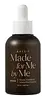
This barrier-repair essence is formulated around Bifida Ferment Lysate and Panthenol to strengthen the skin barrier and brighten dull-looking skin.
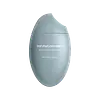
This hydrating essence is formulated around Oryza Sativa Extract and Hyaluronic Acid to hydrate skin and strengthen the skin barrier.

What's inside
What's inside
 Key Ingredients
Benefits
Concerns
Ingredients Side-by-side
Bifida Ferment Lysate
Skin Conditioning



Polyglycerin-3
Humectant
Methylpropanediol
SolventDipropylene Glycol
Humectant1,2-Hexanediol
Skin Conditioning
Betaine
Humectant
Panthenol
Skin Conditioning
Niacinamide
Smoothing







Centella Asiatica Extract
Cleansing
Theobroma Cacao Seed Extract
Antioxidant
Ficus Carica Fruit Extract
Humectant
Artemisia Princeps Leaf Extract
Skin ConditioningJuniperus Virginiana Oil
Masking


Hydrogenated Lecithin
Emulsifying
Cedrus Atlantica Bark Oil
Masking

Amyris Balsamifera Bark Oil
Masking
Pogostemon Cablin Leaf Oil
Masking
Water
Skin ConditioningGlycerin
Humectant
Polymethylsilsesquioxane

Acrylates/C10-30 Alkyl Acrylate Crosspolymer
Emulsion StabilisingOctyldodeceth-16
EmulsifyingTromethamine
BufferingFructooligosaccharides
Humectant
Butylene Glycol
Humectant
Xanthan Gum
EmulsifyingGlyceryl Polymethacrylate
Adenosine
Skin Conditioning
Dextrin
AbsorbentCopaifera Officinalis Resin
MaskingCeramide NP
Skin Conditioning
Lactobacillus Ferment Lysate
Skin Conditioning
Lactococcus Ferment
Skin ConditioningLactococcus Ferment Lysate
Skin Conditioning
Bifida Ferment Filtrate
Skin Conditioning
Saccharomyces Ferment Filtrate
Humectant

Ethylhexylglycerin
Skin ConditioningBifida Ferment Lysate, Polyglycerin-3, Methylpropanediol, Dipropylene Glycol, 1,2-Hexanediol, Betaine, Panthenol, Niacinamide, Centella Asiatica Extract, Theobroma Cacao Seed Extract, Ficus Carica Fruit Extract, Artemisia Princeps Leaf Extract, Juniperus Virginiana Oil, Hydrogenated Lecithin, Cedrus Atlantica Bark Oil, Amyris Balsamifera Bark Oil, Pogostemon Cablin Leaf Oil, Water, Glycerin, Polymethylsilsesquioxane, Acrylates/C10-30 Alkyl Acrylate Crosspolymer, Octyldodeceth-16, Tromethamine, Fructooligosaccharides, Butylene Glycol, Xanthan Gum, Glyceryl Polymethacrylate, Adenosine, Dextrin, Copaifera Officinalis Resin, Ceramide NP, Lactobacillus Ferment Lysate, Lactococcus Ferment, Lactococcus Ferment Lysate, Bifida Ferment Filtrate, Saccharomyces Ferment Filtrate, Ethylhexylglycerin
Water
Skin ConditioningGlycerin
Humectant
Betaine
Humectant
Propanediol
Solvent
Oryza Sativa Extract
Absorbent
Phyllostachys Pubescens Shoot Bark Extract
Skin ConditioningAloe Barbadensis Leaf Extract
Emollient
Panax Ginseng Root Extract
Emollient
Aspergillus Ferment
Skin ConditioningHyaluronic Acid
Humectant
Beta-Glucan
Skin Conditioning
Carbomer
Emulsion StabilisingXanthan Gum
EmulsifyingTrehalose
Humectant
Tromethamine
Buffering1,2-Hexanediol
Skin Conditioning
Butylene Glycol
Humectant
Sodium Phytate
Polyglyceryl-10 Laurate
Skin Conditioning
Polyglyceryl-10 Myristate
Skin Conditioning
Pulsatilla Koreana Extract
Skin ConditioningUsnea Barbata Extract
Zanthoxylum Piperitum Fruit Extract
Skin ConditioningCyclodextrin
AbsorbentAlcohol
Antimicrobial


Lavandula Angustifolia Oil
Masking
Water, Glycerin, Betaine, Propanediol, Oryza Sativa Extract, Phyllostachys Pubescens Shoot Bark Extract, Aloe Barbadensis Leaf Extract, Panax Ginseng Root Extract, Aspergillus Ferment, Hyaluronic Acid, Beta-Glucan, Carbomer, Xanthan Gum, Trehalose, Tromethamine, 1,2-Hexanediol, Butylene Glycol, Sodium Phytate, Polyglyceryl-10 Laurate, Polyglyceryl-10 Myristate, Pulsatilla Koreana Extract, Usnea Barbata Extract, Zanthoxylum Piperitum Fruit Extract, Cyclodextrin, Alcohol, Lavandula Angustifolia Oil
Reviews
Ingredients Explained
These ingredients are found in both products.
Ingredients higher up in an ingredient list are typically present in a larger amount.
1,2-Hexanediol is a synthetic liquid and another multi-functional powerhouse.
It is a:
- Humectant, drawing moisture into the skin
- Emollient, helping to soften skin
- Solvent, dispersing and stabilizing formulas
- Preservative booster, enhancing the antimicrobial activity of other preservatives
Betaine is a humectant. Like hyaluronic acid, it helps attract and retain moisture in the skin. It’s known for being gentle and for helping the skin maintain balanced hydration.
Betaine is mainly used to improve hydration and support calmer skin. It helps skin cells regulate water balance because it functions as an osmolyte.
Some studies suggest betaine may support making skin tone more even.
Fun fact: Betaine naturally exists in the skin and the body. In cosmetic products, it can be either plant-derived (most commonly from sugar beets) or synthetically produced for consistency and stability.
Betaine is also known as trimethylglycine.
Learn more about BetaineButylene Glycol (or BG) is used within cosmetic products for a few different reasons:
Overall, Butylene Glycol is a safe and well-rounded ingredient that works well with other ingredients.
Though this ingredient works well with most skin types, some people with sensitive skin may experience a reaction such as allergic rashes, closed comedones, or itchiness.
Learn more about Butylene GlycolGlycerin (or glycerol) is a compound naturally found in your skin. It's a powerhouse humectant that pulls water into the stratum corneum.
Topically, glycerin does several things at once:
Your skin makes glycerin on its own (mostly from sebaceous oil breakdown) and shuttles it to your outermost layer of skin, or your epidermis, via aquaporin-3.
Aquaporin-3 is a transporter that is essential for normal skin hydration, elasticity, and repair. Interestingly, mice lacking in AQP3 have dry and less elastic skin that can be fully corrected with glycerin.
This ingredient is non-irritating, plays well with almost every ingredient, and works across all skin types. Typical use is anywhere between 3-10% but can go up to 79% in some leave-on products.
Just know very high concentrations (>40%) can feel tacky in low humidity.
Glycerin is the name for this ingredient in American English. British English uses Glycerol/Glycerine.
Learn more about GlycerinTromethamine (aka THAM) is a synthetic amino acid that shows up in skincare as a helper ingredient.
It functions as a pH adjuster to help neutralize acidic ingredients and set a formula's pH to the right spot.
This matters a lot because a lot of actives (like vitamin C) needs a specific pH to work well and feel comfortable on skin.
Concentration use ranges from 0.1-1.0% depending on the formula.
Learn more about TromethamineWater. It's the most common cosmetic ingredient of all. You'll usually see it at the top of ingredient lists, meaning that it makes up the largest part of the product.
So why is it so popular? Water most often acts as a solvent - this means that it helps dissolve other ingredients into the formulation.
You'll also recognize water as that liquid we all need to stay alive. If you see this, drink a glass of water. Remember to stay hydrated!
Learn more about WaterXanthan gum is used as a stabilizer and thickener within cosmetic products. It helps give products a sticky, thick feeling - preventing them from being too runny.
On the technical side of things, xanthan gum is a polysaccharide - a combination consisting of multiple sugar molecules bonded together.
Xanthan gum is a pretty common and great ingredient. It is a natural, non-toxic, non-irritating ingredient that is also commonly used in food products.
Learn more about Xanthan Gum


