

What's inside
What's inside
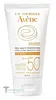 Key Ingredients
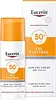
Benefits
Concerns
Ingredients Side-by-side
Water
Skin ConditioningTitanium Dioxide
Cosmetic Colorant

Isodecyl Neopentanoate
EmollientTriethylhexanoin
MaskingC12-15 Alkyl Benzoate
AntimicrobialGlycerin
Humectant


Cyclopentasiloxane
Emollient
Polyglyceryl-4 Isostearate
Emulsifying
Cetyl PEG/PPG-10/1 Dimethicone
Emulsifying
Hexyl Laurate
Emollient
Alumina
Abrasive
C30-45 Alkyl Methicone
Emollient
C30-45 Olefin
Skin ConditioningCyclohexasiloxane
Emollient
Stearic Acid
Cleansing
Caprylic/Capric Triglyceride
Masking
Caprylyl Glycol
Emollient
Disodium EDTA
CI 77492
Cosmetic ColorantCI 77491
Cosmetic ColorantOctyldodecanol
Emollient
Pentaerythrityl Tetra-Di-T-Butyl Hydroxyhydrocinnamate
Antioxidant
Silica Dimethyl Silylate
EmollientSodium Chloride
MaskingSodium Myristoyl Glutamate
CleansingSorbic Acid
Preservative
Talc
Abrasive
CI 77891
Cosmetic ColorantTocopheryl Glucoside
EmollientTriethoxycaprylylsilane
Xanthan Gum
EmulsifyingWater, Titanium Dioxide, Isodecyl Neopentanoate, Triethylhexanoin, C12-15 Alkyl Benzoate, Glycerin, Cyclopentasiloxane, Polyglyceryl-4 Isostearate, Cetyl PEG/PPG-10/1 Dimethicone, Hexyl Laurate, Alumina, C30-45 Alkyl Methicone, C30-45 Olefin, Cyclohexasiloxane, Stearic Acid, Caprylic/Capric Triglyceride, Caprylyl Glycol, Disodium EDTA, CI 77492, CI 77491, Octyldodecanol, Pentaerythrityl Tetra-Di-T-Butyl Hydroxyhydrocinnamate, Silica Dimethyl Silylate, Sodium Chloride, Sodium Myristoyl Glutamate, Sorbic Acid, Talc, CI 77891, Tocopheryl Glucoside, Triethoxycaprylylsilane, Xanthan Gum
Water
Skin ConditioningHomosalate
Skin Conditioning
Polymethylsilsesquioxane
Butyl Methoxydibenzoylmethane
UV Absorber
Ethylhexyl Salicylate
UV Absorber
Octocrylene
UV Absorber

Alcohol Denat.
Antimicrobial


Tapioca Starch
Phenylbenzimidazole Sulfonic Acid
UV Absorber
Cyclomethicone
Emollient
Behenyl Alcohol
Emollient
Cetearyl Alcohol
Emollient
Methylpropanediol
SolventSilica Dimethyl Silylate
EmollientGlycerin
Humectant
Carnitine
Cleansing

Glycyrrhetinic Acid
Skin Conditioning
Glycyrrhiza Inflata Root Extract
Skin Conditioning
Sodium Stearoyl Glutamate
CleansingAcrylates/C10-30 Alkyl Acrylate Crosspolymer
Emulsion StabilisingCarbomer
Emulsion StabilisingXanthan Gum
EmulsifyingSodium Hydroxide
BufferingSodium Chloride
MaskingTrisodium EDTA
Ethylhexylglycerin
Skin ConditioningPhenoxyethanol
Preservative
Water, Homosalate, Polymethylsilsesquioxane, Butyl Methoxydibenzoylmethane, Ethylhexyl Salicylate, Octocrylene, Alcohol Denat., Tapioca Starch, Phenylbenzimidazole Sulfonic Acid, Cyclomethicone, Behenyl Alcohol, Cetearyl Alcohol, Methylpropanediol, Silica Dimethyl Silylate, Glycerin, Carnitine, Glycyrrhetinic Acid, Glycyrrhiza Inflata Root Extract, Sodium Stearoyl Glutamate, Acrylates/C10-30 Alkyl Acrylate Crosspolymer, Carbomer, Xanthan Gum, Sodium Hydroxide, Sodium Chloride, Trisodium EDTA, Ethylhexylglycerin, Phenoxyethanol
Reviews
Alternatives
Ingredients Explained
These ingredients are found in both products.
Ingredients higher up in an ingredient list are typically present in a larger amount.
Glycerin (or glycerol) is a compound naturally found in your skin. It's a powerhouse humectant that pulls water into the stratum corneum.
Topically, glycerin does several things at once:
Your skin makes glycerin on its own (mostly from sebaceous oil breakdown) and shuttles it to your outermost layer of skin, or your epidermis, via aquaporin-3.
Aquaporin-3 is a transporter that is essential for normal skin hydration, elasticity, and repair. Interestingly, mice lacking in AQP3 have dry and less elastic skin that can be fully corrected with glycerin.
This ingredient is non-irritating, plays well with almost every ingredient, and works across all skin types. Typical use is anywhere between 3-10% but can go up to 79% in some leave-on products.
Just know very high concentrations (>40%) can feel tacky in low humidity.
Glycerin is the name for this ingredient in American English. British English uses Glycerol/Glycerine.
Learn more about GlycerinThis silica is mainly used to thicken oils and suspend particles in oils. It is not water soluble.
According to the manufacturer, it:
The manufacturer also claims this ingredient to be useful in makeup.
In lipstick formulations, this ingredient improves color payoff, reduces pigment settling, and reduces oil bleeding. This ingredient also improves the grip of powder products such as dry shampoos.
Learn more about Silica Dimethyl SilylateChances are, you eat sodium chloride every day. Sodium Chloride is also known as table salt. This ingredient has many purposes in skincare: thickener, emulsifier, and exfoliator.
You'll most likely find this ingredient in cleansers where it is used to create a gel-like texture. As an emulsifier, it also prevents ingredients from separating.
You might see people debate whether Sodium Chloride is comedogenic, but there actually haven't been any comedogenic tests done on it. Either way, the overall formulation of a product matters a lot more than any single ingredient.
You might see this ingredient used in scrubs as a primary exfoliating ingredient.
Learn more about Sodium ChlorideWater. It's the most common cosmetic ingredient of all. You'll usually see it at the top of ingredient lists, meaning that it makes up the largest part of the product.
So why is it so popular? Water most often acts as a solvent - this means that it helps dissolve other ingredients into the formulation.
You'll also recognize water as that liquid we all need to stay alive. If you see this, drink a glass of water. Remember to stay hydrated!
Learn more about WaterXanthan gum is used as a stabilizer and thickener within cosmetic products. It helps give products a sticky, thick feeling - preventing them from being too runny.
On the technical side of things, xanthan gum is a polysaccharide - a combination consisting of multiple sugar molecules bonded together.
Xanthan gum is a pretty common and great ingredient. It is a natural, non-toxic, non-irritating ingredient that is also commonly used in food products.
Learn more about Xanthan Gum
