

What's inside
What's inside
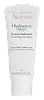 Key Ingredients
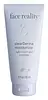
No key ingredients
Benefits
Concerns
Ingredients Side-by-side
Water
Skin ConditioningGlycerin
Humectant


Propylene Glycol Dicaprylate/Dicaprate
EmollientC14-22 Alcohols
Emulsion Stabilising
Dimethicone
Emollient
Isocetyl Stearoyl Stearate
Emollient
Triethylhexanoin
MaskingMicrocrystalline Cellulose
AbsorbentPotassium Cetyl Phosphate
EmulsifyingAcrylates/C10-30 Alkyl Acrylate Crosspolymer
Emulsion StabilisingBenzoic Acid
Masking

C12-20 Alkyl Glucoside
EmulsifyingParfum
Masking


Hydroxyethyl Acrylate/Sodium Acryloyldimethyl Taurate Copolymer
Emulsion StabilisingPhytosterols
Skin Conditioning
Polysorbate 60
Emulsifying
Sclerotium Gum
Emulsion StabilisingSodium Hydroxide
BufferingSorbitan Isostearate
Emulsifying
Squalane
Emollient
Water, Glycerin, Propylene Glycol Dicaprylate/Dicaprate, C14-22 Alcohols, Dimethicone, Isocetyl Stearoyl Stearate, Triethylhexanoin, Microcrystalline Cellulose, Potassium Cetyl Phosphate, Acrylates/C10-30 Alkyl Acrylate Crosspolymer, Benzoic Acid, C12-20 Alkyl Glucoside, Parfum, Hydroxyethyl Acrylate/Sodium Acryloyldimethyl Taurate Copolymer, Phytosterols, Polysorbate 60, Sclerotium Gum, Sodium Hydroxide, Sorbitan Isostearate, Squalane
Water
Skin ConditioningCaprylic/Capric Triglyceride
Masking
Coco-Caprylate/Caprate
Emollient
Cetearyl Alcohol
Emollient

Glyceryl Stearate
Emollient
Glycerin
Humectant
Tapioca Starch
Cetearyl Olivate
Niacinamide
Smoothing







Carthamus Tinctorius Seed Oil
Masking
Phenoxyethanol
Preservative
Alcohol Denat.
Antimicrobial


Sorbitan Olivate
Emulsifying
Stearic Acid
Cleansing
Carbomer
Emulsion StabilisingPolysorbate 20
Emulsifying
Polysorbate 60
Emulsifying
Ethylhexylglycerin
Skin ConditioningPotassium Sorbate
Preservative
Allantoin
Skin Conditioning
Bisabolol
Antioxidant
Maltodextrin
Absorbent
Hamamelis Virginiana Water
Astringent
Citric Acid
Buffering
Sodium Hydroxide
BufferingFructooligosaccharides
Humectant
Citrus Nobilis Peel Oil
Masking
Camellia Sinensis Leaf Extract
Antimicrobial
Chamomilla Recutita Flower Extract
Masking
Syringa Vulgaris Leaf Cell Culture Extract
Skin ConditioningTotarol
Antioxidant
Glycyrrhiza Glabra Root Extract
Bleaching
Citrus Aurantium Dulcis Peel Oil
Masking

Vaccinium Macrocarpon Fruit Extract
AstringentWater, Caprylic/Capric Triglyceride, Coco-Caprylate/Caprate, Cetearyl Alcohol, Glyceryl Stearate, Glycerin, Tapioca Starch, Cetearyl Olivate, Niacinamide, Carthamus Tinctorius Seed Oil, Phenoxyethanol, Alcohol Denat., Sorbitan Olivate, Stearic Acid, Carbomer, Polysorbate 20, Polysorbate 60, Ethylhexylglycerin, Potassium Sorbate, Allantoin, Bisabolol, Maltodextrin, Hamamelis Virginiana Water, Citric Acid, Sodium Hydroxide, Fructooligosaccharides, Citrus Nobilis Peel Oil, Camellia Sinensis Leaf Extract, Chamomilla Recutita Flower Extract, Syringa Vulgaris Leaf Cell Culture Extract, Totarol, Glycyrrhiza Glabra Root Extract, Citrus Aurantium Dulcis Peel Oil, Vaccinium Macrocarpon Fruit Extract
Reviews
Ingredients Explained
These ingredients are found in both products.
Ingredients higher up in an ingredient list are typically present in a larger amount.
Glycerin (or glycerol) is a compound naturally found in your skin. It's a powerhouse humectant that pulls water into the stratum corneum.
Topically, glycerin does several things at once:
Your skin makes glycerin on its own (mostly from sebaceous oil breakdown) and shuttles it to your outermost layer of skin, or your epidermis, via aquaporin-3.
Aquaporin-3 is a transporter that is essential for normal skin hydration, elasticity, and repair. Interestingly, mice lacking in AQP3 have dry and less elastic skin that can be fully corrected with glycerin.
This ingredient is non-irritating, plays well with almost every ingredient, and works across all skin types. Typical use is anywhere between 3-10% but can go up to 79% in some leave-on products.
Just know very high concentrations (>40%) can feel tacky in low humidity.
Glycerin is the name for this ingredient in American English. British English uses Glycerol/Glycerine.
Learn more about GlycerinPolysorbate 60 is used to help stabilize products. It is a surfactant and emulsifier. These properties help keep ingredients together in a product. Surfactants help reduce surface tension between ingredients with different states, such as liquids and solids. Emulsifiers help prevent oils and waters from separating.
Polysorbate 60 is sorbitol-based and created from the ethoxylation of sorbitan. Ethoxylation is a chemical reaction used to add ethylene oxide. Sorbitan is a the dehydrated version of sorbitol, a sugar found in fruits.
In this case, the 60 comes from reacting 60 units of ethylene oxide with sorbitan.
Polysorbates are commonly used in medicine and foods.
Learn more about Polysorbate 60Sodium Hydroxide is also known as lye or caustic soda. It is used to adjust the pH of products; many ingredients require a specific pH to be effective.
In small amounts, sodium hydroxide is considered safe to use. However, large amounts may cause chemical burns due to its high alkaline.
Your skin has a natural pH and acid mantle. This acid mantle helps prevent harmful bacteria from breaking through. The acid mantle also helps keep your skin hydrated.
"Alkaline" refers to a high pH level. A low pH level would be considered acidic.
Learn more about Sodium HydroxideWater. It's the most common cosmetic ingredient of all. You'll usually see it at the top of ingredient lists, meaning that it makes up the largest part of the product.
So why is it so popular? Water most often acts as a solvent - this means that it helps dissolve other ingredients into the formulation.
You'll also recognize water as that liquid we all need to stay alive. If you see this, drink a glass of water. Remember to stay hydrated!
Learn more about Water
