
What's inside
What's inside
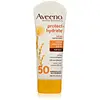 Key Ingredients
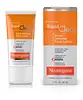
Benefits
Concerns
Ingredients Side-by-side
Butyl Methoxydibenzoylmethane 3%
UV Absorber


Homosalate 10%
Skin Conditioning
Ethylhexyl Salicylate 5%
UV Absorber
Octocrylene 6%
UV Absorber
Benzophenone-3 5%
UV Absorber
Water
Skin ConditioningGlycerin
Humectant



Silica
Abrasive
Cetyl Dimethicone
Emollient
Dimethicone
Emollient
Beeswax
Emulsion Stabilising


Benzyl Alcohol
Perfuming




Ethylhexylglycerin
Skin ConditioningGlyceryl Stearate
Emollient
PEG-100 Stearate
Behenyl Alcohol
Emollient
Phenoxyethanol
Preservative
Caprylyl Methicone
Skin Conditioning
Caprylyl Glycol
Emollient
Acrylates/Dimethicone Copolymer
Skin Conditioning
Acrylates/C10-30 Alkyl Acrylate Crosspolymer
Emulsion StabilisingPropylene Glycol
Humectant
Chlorphenesin
Antimicrobial
Diethylhexyl 2,6-Naphthalate
EmollientDisodium EDTA
Sodium Hydroxide
BufferingParfum
Masking
Avena Sativa Kernel Flour
Abrasive
Avena Sativa Kernel Extract
Abrasive


Codium Tomentosum Extract
Skin ProtectingHydrolyzed Oat Protein
Skin ConditioningPotassium Palmitoyl Hydrolyzed Oat Protein
Skin ConditioningButyl Methoxydibenzoylmethane 3%, Homosalate 10%, Ethylhexyl Salicylate 5%, Octocrylene 6%, Benzophenone-3 5%, Water, Glycerin, Silica, Cetyl Dimethicone, Dimethicone, Beeswax, Benzyl Alcohol, Ethylhexylglycerin, Glyceryl Stearate, PEG-100 Stearate, Behenyl Alcohol, Phenoxyethanol, Caprylyl Methicone, Caprylyl Glycol, Acrylates/Dimethicone Copolymer, Acrylates/C10-30 Alkyl Acrylate Crosspolymer, Propylene Glycol, Chlorphenesin, Diethylhexyl 2,6-Naphthalate, Disodium EDTA, Sodium Hydroxide, Parfum, Avena Sativa Kernel Flour, Avena Sativa Kernel Extract, Codium Tomentosum Extract, Hydrolyzed Oat Protein, Potassium Palmitoyl Hydrolyzed Oat Protein
Salicylic Acid 2%
Masking



Water
Skin ConditioningC12-15 Alkyl Benzoate
AntimicrobialButylene Glycol
Humectant
Cetyl Alcohol
Emollient
Dimethicone
Emollient
Dimethicone PEG-8 Beeswax
Emollient
Glyceryl Stearate
Emollient
PEG-100 Stearate
Potassium Cetyl Phosphate
EmulsifyingCapryloyl Glycine
CleansingHydrogenated Palm Glycerides
Emollient
Acrylates/C10-30 Alkyl Acrylate Crosspolymer
Emulsion StabilisingXanthan Gum
EmulsifyingSarcosine
Skin ConditioningSodium Hydroxide
BufferingPropylene Glycol
Humectant
Parfum
Masking
Tocopheryl Acetate
Antioxidant
Cinnamomum Zeylanicum Bark Extract
Antimicrobial
Bisabolol
Masking
Allantoin
Skin Conditioning
Cedrus Atlantica Bark Extract
Perfuming
Portulaca Oleracea Extract
Skin Conditioning
Citric Acid
Buffering
Salicylic Acid 2%, Water, C12-15 Alkyl Benzoate, Butylene Glycol, Cetyl Alcohol, Dimethicone, Dimethicone PEG-8 Beeswax, Glyceryl Stearate, PEG-100 Stearate, Potassium Cetyl Phosphate, Capryloyl Glycine, Hydrogenated Palm Glycerides, Acrylates/C10-30 Alkyl Acrylate Crosspolymer, Xanthan Gum, Sarcosine, Sodium Hydroxide, Propylene Glycol, Parfum, Tocopheryl Acetate, Cinnamomum Zeylanicum Bark Extract, Bisabolol, Allantoin, Cedrus Atlantica Bark Extract, Portulaca Oleracea Extract, Citric Acid
Ingredients Explained
These ingredients are found in both products.
Ingredients higher up in an ingredient list are typically present in a larger amount.
Acrylates/C10-30 Alkyl Acrylate Crosspolymer is a synthetic polymer. It is used to thicken and improve the texture of products. Due to its properties, it can prevent water and oil ingredients from separating.
Dimethicone is a type of synthetic silicone created from natural materials such as quartz.
What it does:
Dimethicone comes in different viscosities:
Depending on the viscosity, dimethicone has different properties.
Ingredients lists don't always show which type is used, so we recommend reaching out to the brand if you have questions about the viscosity.
This ingredient is unlikely to cause irritation because it does not get absorbed into skin. However, people with silicone allergies should be careful about using this ingredient.
Note: Dimethicone may contribute to pilling. This is because it is not oil or water soluble, so pilling may occur when layered with products. When mixed with heavy oils in a formula, the outcome is also quite greasy.
Learn more about DimethiconeGlyceryl Stearate is a mix of glycerin and stearic acid.
It is used to stabilize the mixing of water and oil ingredients. By preventing these ingredients from separating, it can help elongate shelf life. It can also help thicken the product's texture.
As an emollient, it helps soften skin and supports barrier-replenishing ingredients.
In cosmetics, Glyceryl Stearate is often made from vegetable oils or synthetically produced.
This ingredient may not be fungal-acne safe
Fun fact: The human body also creates Glyceryl Stearate naturally.
Learn more about Glyceryl StearateParfum is a catch-all term for an ingredient or more that is used to give a scent to products.
Also called "fragrance", this ingredient can be a blend of hundreds of chemicals or plant oils. This means every product with "fragrance" or "parfum" in the ingredients list is a different mixture.
For instance, Habanolide is a proprietary trade name for a specific aroma chemical. When used as a fragrance ingredient in cosmetics, most aroma chemicals fall under the broad labeling category of “FRAGRANCE” or “PARFUM” according to EU and US regulations.
The term 'parfum' or 'fragrance' is not regulated in many countries. In many cases, it is up to the brand to define this term.
For instance, many brands choose to label themselves as "fragrance-free" because they are not using synthetic fragrances. However, their products may still contain ingredients such as essential oils that are considered a fragrance by INCI standards.
One example is Calendula flower extract. Calendula is an essential oil that still imparts a scent or 'fragrance'.
Depending on the blend, the ingredients in the mixture can cause allergies and sensitivities on the skin. Some ingredients that are known EU allergens include linalool and citronellol.
Parfum can also be used to mask or cover an unpleasant scent.
The bottom line is: not all fragrances/parfum/ingredients are created equally. If you are worried about fragrances, we recommend taking a closer look at an ingredient. And of course, we always recommend speaking with a professional.
Learn more about ParfumPeg-100 Stearate is an emollient and emulsifier. As an emollient, it helps keep skin soft by trapping moisture in. On the other hand, emulsifiers help prevent oil and water from separating in a product.
PEGS are a hydrophilic polyether compound . There are 100 ethylene oxide monomers in Peg-100 Stearate. Peg-100 Stearate is polyethylene glycol ester of stearic acid.
Propylene Glycol is an odorless, colorless liquid. As a humectant, it helps skin retain moisture. It also aids in delivering active ingredients.
Another role of this ingredient is preventing a product from melting or freezing. Propylene glycol also adds antimicrobrial properties to a product, elongating product lifespan.
This ingredient is considered an organic alcohol and commonly added into both cosmetics and foods.
Those with sensitive skin or conditions may develop a rash when using this ingredient.
Learn more about Propylene GlycolSodium Hydroxide is also known as lye or caustic soda. It is used to adjust the pH of products; many ingredients require a specific pH to be effective.
In small amounts, sodium hydroxide is considered safe to use. However, large amounts may cause chemical burns due to its high alkaline.
Your skin has a natural pH and acid mantle. This acid mantle helps prevent harmful bacteria from breaking through. The acid mantle also helps keep your skin hydrated.
"Alkaline" refers to a high pH level. A low pH level would be considered acidic.
Learn more about Sodium HydroxideWater. It's the most common cosmetic ingredient of all. You'll usually see it at the top of ingredient lists, meaning that it makes up the largest part of the product.
So why is it so popular? Water most often acts as a solvent - this means that it helps dissolve other ingredients into the formulation.
You'll also recognize water as that liquid we all need to stay alive. If you see this, drink a glass of water. Stay hydrated!
Learn more about Water
