
What's inside
What's inside
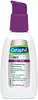 Key Ingredients
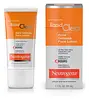
Benefits
Concerns
Ingredients Side-by-side
Butyl Methoxydibenzoylmethane 3%
UV Absorber
Ethylhexyl Salicylate 5%
UV Absorber
Octocrylene 7%
UV Absorber

Water
Skin ConditioningIsopropyl Lauroyl Sarcosinate
Skin ConditioningGlycerin
Humectant


Dimethicone
Emollient
Diisopropyl Sebacate
EmollientSilica
Abrasive


Polymethyl Methacrylate
Aluminum Starch Octenylsuccinate
Absorbent
Sucrose Tristearate
Emollient
Dimethiconol
Emollient
Pentylene Glycol
Skin Conditioning
Polysorbate 61
Emulsifying
Sodium Stearoyl Glutamate
CleansingPhenoxyethanol
Preservative
Caprylyl Glycol
Emollient
Tocopheryl Acetate
Antioxidant


Glycyrrhetinic Acid
Skin Conditioning
Panthenol
Skin Conditioning
Triethanolamine
BufferingAllantoin
Skin Conditioning
Carbomer
Emulsion StabilisingPotassium Sorbate
Preservative
Zinc Gluconate
Skin Conditioning

Xanthan Gum
EmulsifyingDisodium EDTA
Hydroxypalmitoyl Sphinganine
Skin Conditioning
Butyl Methoxydibenzoylmethane 3%, Ethylhexyl Salicylate 5%, Octocrylene 7%, Water, Isopropyl Lauroyl Sarcosinate, Glycerin, Dimethicone, Diisopropyl Sebacate, Silica, Polymethyl Methacrylate, Aluminum Starch Octenylsuccinate, Sucrose Tristearate, Dimethiconol, Pentylene Glycol, Polysorbate 61, Sodium Stearoyl Glutamate, Phenoxyethanol, Caprylyl Glycol, Tocopheryl Acetate, Glycyrrhetinic Acid, Panthenol, Triethanolamine, Allantoin, Carbomer, Potassium Sorbate, Zinc Gluconate, Xanthan Gum, Disodium EDTA, Hydroxypalmitoyl Sphinganine
Salicylic Acid 2%
Masking



Water
Skin ConditioningC12-15 Alkyl Benzoate
AntimicrobialButylene Glycol
Humectant
Cetyl Alcohol
Emollient
Dimethicone
Emollient
Dimethicone PEG-8 Beeswax
Emollient
Glyceryl Stearate
Emollient
PEG-100 Stearate
Surfactant
Potassium Cetyl Phosphate
EmulsifyingCapryloyl Glycine
CleansingHydrogenated Palm Glycerides
Emollient
Acrylates/C10-30 Alkyl Acrylate Crosspolymer
Emulsion StabilisingXanthan Gum
EmulsifyingSarcosine
Skin Conditioning
Sodium Hydroxide
BufferingPropylene Glycol
Humectant
Parfum
Masking

Tocopheryl Acetate
Antioxidant
Cinnamomum Zeylanicum Bark Extract
Antimicrobial
Bisabolol
Antioxidant
Allantoin
Skin Conditioning
Cedrus Atlantica Bark Extract
Perfuming
Portulaca Oleracea Extract
Skin Conditioning
Citric Acid
Buffering
Salicylic Acid 2%, Water, C12-15 Alkyl Benzoate, Butylene Glycol, Cetyl Alcohol, Dimethicone, Dimethicone PEG-8 Beeswax, Glyceryl Stearate, PEG-100 Stearate, Potassium Cetyl Phosphate, Capryloyl Glycine, Hydrogenated Palm Glycerides, Acrylates/C10-30 Alkyl Acrylate Crosspolymer, Xanthan Gum, Sarcosine, Sodium Hydroxide, Propylene Glycol, Parfum, Tocopheryl Acetate, Cinnamomum Zeylanicum Bark Extract, Bisabolol, Allantoin, Cedrus Atlantica Bark Extract, Portulaca Oleracea Extract, Citric Acid
Reviews
Ingredients Explained
These ingredients are found in both products.
Ingredients higher up in an ingredient list are typically present in a larger amount.
Allantoin is a soothing ingredient known for its protective and moisturizing properties; it's basically a quiet workhorse ingredient you can find in a huge range of cosmetics.
Though it can be derived from the comfrey plant, allantoin is produced synthetically for cosmetic products to ensure purity.
Research shows it can encourage your skin cells to turn over and renew by stimulating keratinocyte and fibroblast proliferation.
It also has mild keratolytic properties to help loosen and shed dead skin cells without being harsh.
Studies also suggest allantoin can help calm inflammation by dialing down some of the chemical signals your skin sends out when it is irritated.
This ingredient is typically used in the 0.1-0.5% range, and the FDA recognizes it as a skin protectant in OTC products up to 2%.
Overall, allantoin is a wonderful addition to most routines; it is stable across a wide pH range (~4-8), works well with other ingredients, and is considered non-sensitizing/non-irritating.
Fun fact: Allantoin is naturally occurring in comfrey root, beets, chamomile, and wheat sprouts. Our bodies even produce it as a byproduct of uric acid metabolism.
Learn more about AllantoinDimethicone is a type of synthetic silicone created from natural materials such as quartz. It is also known as polydimethylsiloxane.
What it does:
Dimethicone comes in different viscosities:
Depending on the viscosity, dimethicone has different properties.
Ingredients lists don't always show which type is used, so we recommend reaching out to the brand if you have questions about the viscosity.
This ingredient is unlikely to cause irritation because it does not get absorbed into skin. However, people with silicone allergies should be careful about using this ingredient.
Note: Dimethicone may contribute to pilling. This is because it is not oil or water soluble, so pilling may occur when layered with products. When mixed with heavy oils in a formula, the outcome is also quite greasy.
Learn more about DimethiconeTocopheryl Acetate is a stable, shelf-friendly form of vitamin E.
Formulators love it because plain vitamin E oxidizes quickly once it hits air. This acetate version stays stable and resists going off, helping to extend a product's shelf life.
It's actually inactive on its own and works like a slow-release "storage" form; the enzymes in your skin called esterases gradually convert it into active vitamin E over time.
One in vivo study showed 5% of the acetate in the living layer of the epidermis converted to vitamin E after 5 days of application. This study also found the skin gained protection against UV damage even though the conversion was slow and small.
Once converted, vitamin E acts as a skin's main fat-soluble antioxidant that fights free radicals to protect skin from damage.
Topical vitamin E generally boosts the skin's photoprotection, and it reduced UV-damage in animal models.
This ingredient has some brightening potential but it's more of a prevention ingredient than spot-fader. Cell studies show it can slow down melanin production but it's worth noting that it's not the most powerful brightener out there.
Overall, it has a pretty solid safety profile and has been found to be non-irritating and non-comedogenic. Allergic reactions may happen but stay rare due to how widely the ingredient gets used.
The concentration will vary depending on the formula; industry data shows 0.1% in baby lotions, 3% in lipsticks, and 5% in foot powders. You can also find this ingredient at 100% in a pure vitamin E oil.
Most leave-on skincare keeps it at the lower end, often between 0.5-1%.
Learn more about Tocopheryl AcetateWater. It's the most common cosmetic ingredient of all. You'll usually see it at the top of ingredient lists, meaning that it makes up the largest part of the product.
So why is it so popular? Water most often acts as a solvent - this means that it helps dissolve other ingredients into the formulation.
You'll also recognize water as that liquid we all need to stay alive. If you see this, drink a glass of water. Remember to stay hydrated!
Learn more about WaterXanthan gum is used as a stabilizer and thickener within cosmetic products. It helps give products a sticky, thick feeling - preventing them from being too runny.
On the technical side of things, xanthan gum is a polysaccharide - a combination consisting of multiple sugar molecules bonded together.
Xanthan gum is a pretty common and great ingredient. It is a natural, non-toxic, non-irritating ingredient that is also commonly used in food products.
Learn more about Xanthan Gum

