

What's inside
What's inside
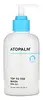 Key Ingredients
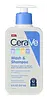
Benefits
Concerns
Ingredients Side-by-side
Water
Skin ConditioningDisodium Cocoyl Glutamate
Cleansing
Disodium Cocoamphodiacetate
CleansingPropanediol
Solvent

Glycerin
Humectant
Sodium Chloride
MaskingCoco-Glucoside
Cleansing
Xanthan Gum
EmulsifyingSodium Sweetalmondamphoacetate
CleansingMyristoyl/Palmitoyl Oxostearamide/Arachamide Mea
Skin ConditioningSimmondsia Chinensis Seed Oil
Emollient

Helianthus Annuus Seed Oil
Emollient
Vitis Vinifera Seed Oil
Emollient
Carthamus Tinctorius Seed Oil
Masking
Camellia Sinensis Seed Oil
Humectant
Centella Asiatica Extract
Cleansing

Madecassoside
Antioxidant
Cocodimonium Hydroxypropyl Hydrolyzed Wheat Protein
CleansingSodium Phytate
Citric Acid
Buffering


Sodium Citrate
BufferingHexylene Glycol
Emulsifying1,2-Hexanediol
Skin Conditioning
Caprylyl Glycol
Emollient
Artemisia Vulgaris Oil
Perfuming
Santalum Album Oil
Masking


Water, Disodium Cocoyl Glutamate, Disodium Cocoamphodiacetate, Propanediol, Glycerin, Sodium Chloride, Coco-Glucoside, Xanthan Gum, Sodium Sweetalmondamphoacetate, Myristoyl/Palmitoyl Oxostearamide/Arachamide Mea, Simmondsia Chinensis Seed Oil, Helianthus Annuus Seed Oil, Vitis Vinifera Seed Oil, Carthamus Tinctorius Seed Oil, Camellia Sinensis Seed Oil, Centella Asiatica Extract, Madecassoside, Cocodimonium Hydroxypropyl Hydrolyzed Wheat Protein, Sodium Phytate, Citric Acid, Sodium Citrate, Hexylene Glycol, 1,2-Hexanediol, Caprylyl Glycol, Artemisia Vulgaris Oil, Santalum Album Oil
Water
Skin ConditioningCoco-Betaine
Cleansing
Disodium Cocoyl Glutamate
Cleansing
Citric Acid
Buffering
Cetyl Hydroxyethylcellulose
Emulsion StabilisingCeramide NP
Skin Conditioning
Ceramide AP
Skin Conditioning
Ceramide EOP
Skin Conditioning
Carbomer
Emulsion StabilisingTriethyl Citrate
Masking
Sodium Chloride
MaskingSodium Cocoyl Glutamate
Cleansing
Sodium Phytate
Sodium Lauroyl Lactylate
EmulsifyingSodium Hyaluronate
Humectant
Cholesterol
Emollient
Disodium EDTA
Tocopheryl Acetate
Antioxidant
Capryloyl Glycine
CleansingCaprylyl Glycol
Emollient
Phytosphingosine
Skin Conditioning
Xanthan Gum
EmulsifyingBenzoic Acid
Masking

Water, Coco-Betaine, Disodium Cocoyl Glutamate, Citric Acid, Cetyl Hydroxyethylcellulose, Ceramide NP, Ceramide AP, Ceramide EOP, Carbomer, Triethyl Citrate, Sodium Chloride, Sodium Cocoyl Glutamate, Sodium Phytate, Sodium Lauroyl Lactylate, Sodium Hyaluronate, Cholesterol, Disodium EDTA, Tocopheryl Acetate, Capryloyl Glycine, Caprylyl Glycol, Phytosphingosine, Xanthan Gum, Benzoic Acid
Reviews
Ingredients Explained
These ingredients are found in both products.
Ingredients higher up in an ingredient list are typically present in a larger amount.
Caprylyl Glycol is a humectant, skin conditioner, emollient, and preservative booster derived from either caprylic acid or synthetically created.
Typical use levels vary from 0.3-1% as a preservative booster and go up to 2% to condition skin.
Because it is not a free-fatty acid, this ingredient is fungal acne safe (there's nothing for Malassezia to feed on).
Learn more about Caprylyl GlycolCitric Acid is an alpha hydroxy acid (AHA) naturally found in citrus fruits like oranges, lemons, and limes.
Like other AHAs, citric acid can exfoliate skin by breaking down the bonds that hold dead skin cells together. This helps reveal smoother and brighter skin underneath.
However, this exfoliating effect only happens at high concentrations (20%) which can be hard to find in cosmetic products.
Due to this, citric acid is usually included in small amounts as a pH adjuster. This helps keep products slightly more acidic and compatible with skin's natural pH.
In skincare formulas, citric acid can:
While it can provide some skin benefits, research shows lactic acid and glycolic acid are generally more effective and less irritating exfoliants.
Most citric acid used in skincare today is made by fermenting sugars (usually from molasses). This synthetic version is identical to the natural citrus form but easier to stabilize and use in formulations.
Read more about some other popular AHA's here:
Learn more about Citric AcidWe don't have a description for Disodium Cocoyl Glutamate yet.
Chances are, you eat sodium chloride every day. Sodium Chloride is also known as table salt. This ingredient has many purposes in skincare: thickener, emulsifier, and exfoliator.
You'll most likely find this ingredient in cleansers where it is used to create a gel-like texture. As an emulsifier, it also prevents ingredients from separating.
You might see people debate whether Sodium Chloride is comedogenic, but there actually haven't been any comedogenic tests done on it. Either way, the overall formulation of a product matters a lot more than any single ingredient.
You might see this ingredient used in scrubs as a primary exfoliating ingredient.
Learn more about Sodium ChlorideSodium Phytate is the synthetic salt form of phytic acid. Phytic acid is an antioxidant and can be found in plant seeds.
Sodium Phytate is a chelating agent. Chelating agents help prevent metals from binding to water. This helps stabilize the ingredients and the product.
Water. It's the most common cosmetic ingredient of all. You'll usually see it at the top of ingredient lists, meaning that it makes up the largest part of the product.
So why is it so popular? Water most often acts as a solvent - this means that it helps dissolve other ingredients into the formulation.
You'll also recognize water as that liquid we all need to stay alive. If you see this, drink a glass of water. Remember to stay hydrated!
Learn more about WaterXanthan gum is used as a stabilizer and thickener within cosmetic products. It helps give products a sticky, thick feeling - preventing them from being too runny.
On the technical side of things, xanthan gum is a polysaccharide - a combination consisting of multiple sugar molecules bonded together.
Xanthan gum is a pretty common and great ingredient. It is a natural, non-toxic, non-irritating ingredient that is also commonly used in food products.
Learn more about Xanthan Gum
