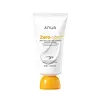
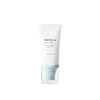
Anua Zero-Cast Moisturizing Finish Sunscreen SPF 50 Versus SKIN1004 Madagascar Centella Hyalu-Cica Water-Fit Sun Serum UV Broad Spectrum SPF 50

What's inside
What's inside
 Key Ingredients
Benefits
Concerns
Ingredients Side-by-side
Butyl Methoxydibenzoylmethane
UV Absorber
Homosalate
Skin Conditioning
Ethylhexyl Salicylate
UV Absorber
Octocrylene
UV Absorber

Water
Skin ConditioningButyloctyl Salicylate
Skin Conditioning
Glycerin
Humectant


Dimethicone
Emollient
Poly C10-30 Alkyl Acrylate
Emulsion StabilisingVp/Eicosene Copolymer
Cetearyl Alcohol
Emollient




Niacinamide
Smoothing









Sodium Stearoyl Glutamate
CleansingAmmonium Polyacryloyldimethyl Taurate
Emulsion StabilisingHydroxyacetophenone
Antioxidant
Phenoxyethanol
Preservative
Tocopheryl Acetate
Antioxidant
Panthenol
Skin Conditioning
Pentaerythrityl Tetra-Di-T-Butyl Hydroxyhydrocinnamate
Antioxidant
Xanthan Gum
Emulsifying1,2-Hexanediol
Skin Conditioning
Sodium Hyaluronate
Humectant
Butyl Methoxydibenzoylmethane, Homosalate, Ethylhexyl Salicylate, Octocrylene, Water, Butyloctyl Salicylate, Glycerin, Dimethicone, Poly C10-30 Alkyl Acrylate, Vp/Eicosene Copolymer, Cetearyl Alcohol, Niacinamide, Sodium Stearoyl Glutamate, Ammonium Polyacryloyldimethyl Taurate, Hydroxyacetophenone, Phenoxyethanol, Tocopheryl Acetate, Panthenol, Pentaerythrityl Tetra-Di-T-Butyl Hydroxyhydrocinnamate, Xanthan Gum, 1,2-Hexanediol, Sodium Hyaluronate
Butyl Methoxydibenzoylmethane 2.7%
UV Absorber
Homosalate 13.6%
Skin Conditioning
Ethylhexyl Methoxycinnamate 4.5%
UV Absorber
Octocrylene 9%
UV Absorber
Water
Skin ConditioningButyloctyl Salicylate
Skin Conditioning
Propanediol
Solvent
Polymethylsilsesquioxane
C20-22 Alkyl Phosphate
EmulsifyingC20-22 Alcohols
Emulsion Stabilising
Panthenol
Skin Conditioning
1,2-Hexanediol
Skin Conditioning
Caprylyl Methicone
Skin Conditioning
Pentylene Glycol
Skin Conditioning
Dimethicone/Vinyl Dimethicone Crosspolymer
Skin Conditioning
Cetyl Alcohol
Emollient
Vp/Eicosene Copolymer
Glyceryl Stearate
Emollient
Tromethamine
BufferingPolyacrylate Crosspolymer-6
Emulsion StabilisingAmmonium Acryloyldimethyltaurate/Vp Copolymer
Silica
Abrasive
Butylene Glycol
Humectant
Centella Asiatica Extract
Cleansing
Ethylhexylglycerin
Skin ConditioningHydrolyzed Sodium Hyaluronate
Skin Conditioning
Sodium Hyaluronate
Humectant
Tocopherol
Antioxidant
Glycerin
Humectant
Portulaca Oleracea Extract
Skin Conditioning
Camellia Sinensis Leaf Extract
Antimicrobial
Hyaluronic Acid
Humectant
Oryza Sativa Extract
Absorbent
Avena Sativa Meal Extract
SoothingGlycine Max Seed Extract
Skin ConditioningButyl Methoxydibenzoylmethane 2.7%, Homosalate 13.6%, Ethylhexyl Methoxycinnamate 4.5%, Octocrylene 9%, Water, Butyloctyl Salicylate, Propanediol, Polymethylsilsesquioxane, C20-22 Alkyl Phosphate, C20-22 Alcohols, Panthenol, 1,2-Hexanediol, Caprylyl Methicone, Pentylene Glycol, Dimethicone/Vinyl Dimethicone Crosspolymer, Cetyl Alcohol, Vp/Eicosene Copolymer, Glyceryl Stearate, Tromethamine, Polyacrylate Crosspolymer-6, Ammonium Acryloyldimethyltaurate/Vp Copolymer, Silica, Butylene Glycol, Centella Asiatica Extract, Ethylhexylglycerin, Hydrolyzed Sodium Hyaluronate, Sodium Hyaluronate, Tocopherol, Glycerin, Portulaca Oleracea Extract, Camellia Sinensis Leaf Extract, Hyaluronic Acid, Oryza Sativa Extract, Avena Sativa Meal Extract, Glycine Max Seed Extract
Reviews
Ingredients Explained
These ingredients are found in both products.
Ingredients higher up in an ingredient list are typically present in a larger amount.
1,2-Hexanediol is a synthetic liquid and another multi-functional powerhouse.
It is a:
- Humectant, drawing moisture into the skin
- Emollient, helping to soften skin
- Solvent, dispersing and stabilizing formulas
- Preservative booster, enhancing the antimicrobial activity of other preservatives
Also known as Avobenzone, this ingredient is a chemical sunscreen filter that provides protection in the UV-A range.
Avobenzone is globally approved and is the most commonly used UV-A filter in the world.
Studies have found that avobenzone becomes ineffective when exposed to UV light (it is not photostable; meaning that it breaks down in sunlight). Because of this, formulations that include avobenzone will usually contain stabilizers such as octocrylene.
However, some modern formulations (looking at you, EU!) are able to stabilize avobenzone by coating the molecules.
Avobenzone does not protect against the UV-B range, so it's important to check that the sunscreen you're using contains other UV filters that do!
The highest concentration of avobenzone permitted is 3% in the US, and 5% in the EU.
Learn more about Butyl MethoxydibenzoylmethaneButyloctyl Salicylate is a chemical UV filter structurally similar to octisalate. It is a photostabilizer, SPF booster, emollient and solvent. This ingredient helps evenly spread out ingredients.
According to a manufacturer, it is suitable for pairing with micro Titanium Dioxide, Zinc Oxide, and pigments.
Photostabilizers help stabilize UV-filters and prevents them from degrading quickly.
Learn more about Butyloctyl SalicylateGlycerin (or glycerol) is a compound naturally found in your skin. It's a powerhouse humectant that pulls water into the stratum corneum.
Topically, glycerin does several things at once:
Your skin makes glycerin on its own (mostly from sebaceous oil breakdown) and shuttles it to your outermost layer of skin, or your epidermis, via aquaporin-3.
Aquaporin-3 is a transporter that is essential for normal skin hydration, elasticity, and repair. Interestingly, mice lacking in AQP3 have dry and less elastic skin that can be fully corrected with glycerin.
This ingredient is non-irritating, plays well with almost every ingredient, and works across all skin types. Typical use is anywhere between 3-10% but can go up to 79% in some leave-on products.
Just know very high concentrations (>40%) can feel tacky in low humidity.
Glycerin is the name for this ingredient in American English. British English uses Glycerol/Glycerine.
Learn more about GlycerinHomosalate is a chemical sunscreen filter that provides protection in the UV-B range (280nm - 320 nm), with a peak protection at 306 nm. It is internationally approved for use in sunscreens.
Homosalate is not photo-stable, meaning it's strength as a UV filter degrades over time with exposure to the sun. Because of this, it's often used in combination with other chemical sunscreen filters as avobenzone (which protects from the UV-A range). Homosalate also helps act as a solvent for harder-to-dissolve UV filters.
(Part of the reason that sunscreens need to be frequently re-applied is due to the photo instability of many chemical sunscreen filters)
Currently, homosalate is approved in concentrations up to 10% in the EU and 15% in the US. The FDA is currently doing further research on the effects of homosalate, and it is possible that these approved concentrations will change in the future.
Learn more about HomosalateOctocrylene protects skin from sun damage. It absorbs UV-B with peak absorption of 304 nm. It is a common sunscreen ingredient and often paired with avobenzone, a UVA filter. This is because octocrylene stabilizes other sunscreen ingredients by protecting them from degradation when exposed to sunlight. Octocrylene is a photostable ingredient and loses about 10% of SPF in 95 minutes.
Octocrylene also acts as an emollient, meaning it helps skin retain moisture and softens skin. It is oil-soluble and hydrophobic, enhancing water-resistant properties in a product.
Those who are using ketoprofen, a topical anti-inflammatory drug, may experience an allergic reaction when using octocrylene. It is best to speak with a healthcare professional about using sunscreens with octocrylene.
The EU allows a maximum of these concentrations:
Learn more about OctocrylenePanthenol is a common ingredient that helps hydrate and soothe the skin. It is found naturally in our skin and hair.
There are two forms of panthenol: D and L.
D-panthenol is also known as dexpanthenol. Most cosmetics use dexpanthenol or a mixture of D and L-panthenol.
Panthenol is famous due to its ability to go deeper into the skin's layers. Using this ingredient has numerous pros (and no cons):
Like hyaluronic acid, panthenol is a humectant. Humectants are able to bind and hold large amounts of water to keep skin hydrated.
This ingredient works well for wound healing. It works by increasing tissue in the wound and helps close open wounds.
Once oxidized, panthenol converts to pantothenic acid. Panthothenic acid is found in all living cells.
This ingredient is also referred to as pro-vitamin B5.
Learn more about PanthenolSodium Hyaluronate is the salt form of hyaluronic acid. It is a long sugar chain that is naturally found in your skin, joints, and connective tissue that maintains hydration and elasticity.
In skincare, it works as a humectant. It pulls water from the environment and deeper layers of skin and binds it to the surface.
Interestingly, the size of the molecule affects its behavior:
Some clinical evidence links low molecular weight versions to improved wrinkle depth, elasticity, anti-inflammatory effects, and barrier repair.
Many serums use a blend of both weights so you can get surface hydration plus longer-lasting and deeper effects.
You'll typically see concentrations between 0.1-2% for this ingredient.
Learn more about Sodium HyaluronateWe don't have a description for Vp/Eicosene Copolymer yet.
Water. It's the most common cosmetic ingredient of all. You'll usually see it at the top of ingredient lists, meaning that it makes up the largest part of the product.
So why is it so popular? Water most often acts as a solvent - this means that it helps dissolve other ingredients into the formulation.
You'll also recognize water as that liquid we all need to stay alive. If you see this, drink a glass of water. Remember to stay hydrated!
Learn more about Water
