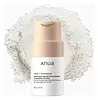
This tartaric acid powder cleanser is formulated around Tartaric Acid to exfoliate and smooth skin.
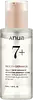
This hydrating serum is formulated around Niacinamide and Oryza Sativa Extract to hydrate skin and strengthen the skin barrier.

What's inside
What's inside
 Key Ingredients
Benefits
Concerns
No concerns
Ingredients Side-by-side
Zea Mays Starch
Absorbent
CI 77004
Cosmetic ColorantSodium Bicarbonate
Abrasive
Sodium Cocoyl Isethionate
Cleansing
Sodium Lauroyl Glutamate
SurfactantCitric Acid
Buffering


Sodium Polyacrylate
Absorbent
Diglycerin
Humectant
Allantoin
Skin Conditioning



Water
Skin ConditioningMaltodextrin
Absorbent
Papain
Skin Conditioning
Oryza Sativa Powder
Oryza Sativa Lees Extract
Skin ConditioningOryza Sativa Bran Water
Masking
Butylene Glycol
Humectant
1,2-Hexanediol
Skin Conditioning
Ceramide NP
Skin Conditioning

Ascorbic Acid
Antioxidant


Alpha-Arbutin
Antioxidant
Glucose
Humectant
Oryza Sativa Extract
Absorbent
Protease
Exfoliating
Dipropylene Glycol
HumectantGlycerin
Humectant
Tartaric Acid
Buffering
Lactic Acid
Buffering

Oryza Sativa Seed Protein
Antioxidant
Hydrolyzed Rice Protein
Skin ConditioningCaprylyl Glycol
Emollient
Zea Mays Starch, CI 77004, Sodium Bicarbonate, Sodium Cocoyl Isethionate, Sodium Lauroyl Glutamate, Citric Acid, Sodium Polyacrylate, Diglycerin, Allantoin, Water, Maltodextrin, Papain, Oryza Sativa Powder, Oryza Sativa Lees Extract, Oryza Sativa Bran Water, Butylene Glycol, 1,2-Hexanediol, Ceramide NP, Ascorbic Acid, Alpha-Arbutin, Glucose, Oryza Sativa Extract, Protease, Dipropylene Glycol, Glycerin, Tartaric Acid, Lactic Acid, Oryza Sativa Seed Protein, Hydrolyzed Rice Protein, Caprylyl Glycol
Oryza Sativa Bran Water
Masking
Dipropylene Glycol
HumectantGlycerin
Humectant
Methylpropanediol
SolventWater
Skin ConditioningButylene Glycol
Humectant
Methyl Gluceth-10
EmulsifyingNiacinamide
Smoothing

1,2-Hexanediol
Skin Conditioning
Panthenol
Skin Conditioning
Hydroxyethyl Urea
Humectant
Pentylene Glycol
Skin Conditioning
Sodium Polyacrylate
Absorbent
Oryza Sativa Extract
Absorbent
Caprylic/Capric Triglyceride
Masking
Carbomer
Emulsion StabilisingHydrogenated Lecithin
Emulsifying
Ethylhexylglycerin
Skin ConditioningPolyquaternium-51
Skin Conditioning
Adenosine
Skin Conditioning
Allantoin
Skin Conditioning
Sodium Phytate
ChelatingXanthan Gum
EmulsifyingCeramide NP
Skin Conditioning
Sodium Hyaluronate
Humectant
Alpha-Arbutin
Antioxidant
Angelica Keiskei Extract
Antioxidant
Corchorus Olitorius Leaf Extract
Skin ConditioningDioscorea Japonica Root Extract
Skin Conditioning
Hibiscus Esculentus Fruit Extract
Skin ConditioningNelumbo Nucifera Root Extract
Skin ConditioningBeta-Glucan
Skin Conditioning
Tocopherol
Antioxidant
Defatted Rice Bran Extract
Antioxidant
Arbutin
Antioxidant
Zinc Stearate
Cosmetic ColorantDefatted Rice Bran
Skin ConditioningOryza Sativa Bran
Abrasive
Hydrolyzed Rice Protein
Skin ConditioningOryza Sativa Seed Protein
Antioxidant
Honey Extract
Humectant
Hyaluronic Acid
Humectant
Hydrolyzed Hyaluronic Acid
Humectant
Oryza Sativa Bran Water, Dipropylene Glycol, Glycerin, Methylpropanediol, Water, Butylene Glycol, Methyl Gluceth-10, Niacinamide, 1,2-Hexanediol, Panthenol, Hydroxyethyl Urea, Pentylene Glycol, Sodium Polyacrylate, Oryza Sativa Extract, Caprylic/Capric Triglyceride, Carbomer, Hydrogenated Lecithin, Ethylhexylglycerin, Polyquaternium-51, Adenosine, Allantoin, Sodium Phytate, Xanthan Gum, Ceramide NP, Sodium Hyaluronate, Alpha-Arbutin, Angelica Keiskei Extract, Corchorus Olitorius Leaf Extract, Dioscorea Japonica Root Extract, Hibiscus Esculentus Fruit Extract, Nelumbo Nucifera Root Extract, Beta-Glucan, Tocopherol, Defatted Rice Bran Extract, Arbutin, Zinc Stearate, Defatted Rice Bran, Oryza Sativa Bran, Hydrolyzed Rice Protein, Oryza Sativa Seed Protein, Honey Extract, Hyaluronic Acid, Hydrolyzed Hyaluronic Acid
Reviews
Ingredients Explained
These ingredients are found in both products.
Ingredients higher up in an ingredient list are typically present in a larger amount.
1,2-Hexanediol is a synthetic liquid and another multi-functional powerhouse.
It is a:
- Humectant, drawing moisture into the skin
- Emollient, helping to soften skin
- Solvent, dispersing and stabilizing formulas
- Preservative booster, enhancing the antimicrobial activity of other preservatives
Allantoin is a soothing ingredient known for its protective and moisturizing properties; it's basically a quiet workhorse ingredient you can find in a huge range of cosmetics.
Though it can be derived from the comfrey plant, allantoin is produced synthetically for cosmetic products to ensure purity.
Research shows it can encourage your skin cells to turn over and renew by stimulating keratinocyte and fibroblast proliferation.
It also has mild keratolytic properties to help loosen and shed dead skin cells without being harsh.
Studies also suggest allantoin can help calm inflammation by dialing down some of the chemical signals your skin sends out when it is irritated.
This ingredient is typically used in the 0.1-0.5% range, and the FDA recognizes it as a skin protectant in OTC products up to 2%.
Overall, allantoin is a wonderful addition to most routines; it is stable across a wide pH range (~4-8), works well with other ingredients, and is considered non-sensitizing/non-irritating.
Fun fact: Allantoin is naturally occurring in comfrey root, beets, chamomile, and wheat sprouts. Our bodies even produce it as a byproduct of uric acid metabolism.
Learn more about AllantoinAlpha-Arbutin is a brightening active used to fade dark spots, melasma, and post-acne marks. Structurally, it is a hydroquinone with a sugar molecule attached (but is much gentler than raw hydroquinone).
It has a pretty elegant way of working; it slots into tyrosinase, or the key enzyme that your skin uses to make melanin), and competitively blocks it so your skin produces less pigment over time.
There are two forms of arbutin and alpha is the better one to reach for: it works at lower amounts, absorbs into skin more easily, and has a strong safety record.
The science backs this up too: lab and animal studies confirm it lowers melanin by blocking tyosinase and the more you use (up to a point), the more it works.
Human studies look good too.
A 2024 trial found a cream with 5% alpha-arbutin and 2% kojic acid worked about as well as a prescription melasma cream but with fewer side effects. Another study showed 2% alpha-arbutin paired with 10% Trihydroxybenzoic Acid Glucoside and sunscreen faded dark spots and melasma without causing irritation.
Concentration-wise, most serums land in the 1-2% range.
The EU's Scientific Committee on Consumer Safety concluded that alpha-arbutin is safe in face creams up to 2% and body lotions up to 0.5%.
Overall, this is a well-studied and low-irritation brightener that's a great pick for anyone dealing with uneven skin tone. It also pairs well with vitamin C, niacinamide, and sunscreen.
Alpha-Arbutin is a brightening molecule with a sugar attached to it. That sugar makes it love water which is great for keeping products stable...but not so great for getting through your skin.
The outer layer of your skin is oily and waterproof by design so water-loving ingredients have a harder time getting past it.
Lab tests using real human skin show only a tiny fraction of the Alpha-Arbutin applied actually made it below the surface. Most of it just sat on top and eventually got washed or rubbed away.
So why bother?
Because it doesn't really need to go far. Pigment gets made just under the surface so even a small amount landing in the right place can slow it down. Studies where people used 2% Alpha-Arbutin along with sunscreen did see dark spots fade. Keep in mind it's just slow so expect months, not weeks.
You might have heard Alpha-Arbutin turns into hydroquinone (a much stronger, prescription-level brightener) once it's on your face. It can happen in theory since bacteria on your skin can break that sugar off.
But the amount was almost nothing when researchers actually measured it on real people. That's why European safety regulators looked at all of this in 2023 and said 2% for face products and 0.5% for body products is fine.
We can tell you a product has Alpha-Arbutin in it but nobody can tell you how much will absorb into your skin. Here's why:
This is why safety regulators test absorption on actual skin in a lab instead of trying to calculate it. If it could be predicted from an ingredient list, they'd do that.
Learn more about Alpha-ArbutinButylene Glycol (or BG) is used within cosmetic products for a few different reasons:
Overall, Butylene Glycol is a safe and well-rounded ingredient that works well with other ingredients.
Though this ingredient works well with most skin types, some people with sensitive skin may experience a reaction such as allergic rashes, closed comedones, or itchiness.
Learn more about Butylene GlycolCeramide NP (formerly known as Ceramide 3) is one of the skin's naturally occurring lipids.
Since ceramides are the major lipid components of the skin, they are crucial for maintaining skin barrier and hydration. Ceramide NP most closely mirrors the dominant kind in human skin amongst ceramide subtypes.
This ceramide works by slotting into gaps within the stratum corneum's lipid matrix to limit trans-epidermal water loss (TEWL) and shield the skin against external irritants.
A study with 312 patients found that using a ceramide-containing routine for 4 weeks reduced the severity of atopic dermatitis by over 61%.
Another clinical study in subjects aged 60 and older found that a ceramide body wash and moisturizer improved skin dryness and itchy skin in 15 days.
Overall, ceramides are considered non-irritating and safety tests have found little to no observable adverse effects from using this ingredient.
Ceramide NP is usually sourced from plants (like soybean or rice bran), or produced synthetically.
Learn more about Ceramide NPDipropylene Glycol is a synthetically created humectant, stabilizer, and solvent.
This ingredient helps:
Dipropylene glycol is technically an alcohol, but it belongs to the glycol family (often considered part of the ‘good’ alcohols). This means it is hydrating and gentle on skin unlike drying solvent alcohols like denatured alcohol.
As a masking agent, Dipropylene Glycol can be used to cover the smell of other ingredients. However, it does not have a scent.
Studies show Dipropylene Glycol is considered safe to use in skincare.
Learn more about Dipropylene GlycolGlycerin (or glycerol) is a compound naturally found in your skin. It's a powerhouse humectant that pulls water into the stratum corneum.
Topically, glycerin does several things at once:
Your skin makes glycerin on its own (mostly from sebaceous oil breakdown) and shuttles it to your outermost layer of skin, or your epidermis, via aquaporin-3.
Aquaporin-3 is a transporter that is essential for normal skin hydration, elasticity, and repair. Interestingly, mice lacking in AQP3 have dry and less elastic skin that can be fully corrected with glycerin.
This ingredient is non-irritating, plays well with almost every ingredient, and works across all skin types. Typical use is anywhere between 3-10% but can go up to 79% in some leave-on products.
Just know very high concentrations (>40%) can feel tacky in low humidity.
Glycerin is the name for this ingredient in American English. British English uses Glycerol/Glycerine.
Learn more about GlycerinHydrolyzed Rice Protein is protein extracted from rice. This ingredient is rich in antioxidants and peptides.
Studies show this ingredient may help with blocking the melanin creation process when skin is exposed to UV.
Oryza Sativa Bran Water comes from the outer layer of a rice kernel. It is a byproduct of milling rice, or the operation to produce a whole grain rice product.
According to INCI, this ingredient is used for masking and perfuming.
Masking ingredients are used to obscure or block properties of other ingredients. They are commonly used to block the scent of a product.
Peruming ingredients help give products a scent and can be natural or synthetically created.
Learn more about Oryza Sativa Bran WaterOryza Sativa Extract comes from the rice grain, Oryza sativa. Rice extract has wound healing, antioxidant, anti-inflammatory, and hydrating properties.
Rice grains contain numerous antioxidants which may help with anti-aging, such as vitamin E. Antioxidants help stabilize free-radical molecules. Unstable free-radical molecules may damage your skin cells and accelerate signs of aging.
A study from 2002 found rice to help increase the rate of wound healing. The same study found an improvement of skin barrier function in the patients after taking rice baths.
Numerous in-vitro studies have found rice water to help decrease sun damage by increasing collagen production and inhibiting the process of tyrosinase.
Long story short- tyrosinase is an enzyme that controls melanin production. Our bodies start producing melanin (AKA tanning) when exposed to UV radiation to protect against damage. Rice water is found to partially block this process.
Though more research is needed on rice's ability to help with UV protection, recent studies seem promising.
Wondering why rice is hydrating? The protein in rice have emollient properties. Emollients create a barrier on the skin to trap moisture in, keeping your skin moisturized.
Some rice extract may have mildly-exfoliating properties. These are mainly limited to Oryza Sativa (Rice) Bran and Oryza Sativa (Rice) Germ Powder.
This rice was first cultivated in China over 10,000 years ago. Many cultures throughout Asia have used rice water on skin and hair for centuries.
Learn more about Oryza Sativa ExtractOryza Sativa Seed Protein is an antioxidant.
Sodium Polyacrylate is the sodium salt of polyacrylic acid. It is used as an absorber, emollient, and stabilizer.
This ingredient is a super-absorbent polymer - meaning it can absorb 100 to 1000 times its mass in water. As an emollient, Sodium Polyacrylate helps soften and soothe skin. Emollients work by creating a barrier to trap moisture in. This helps keep your skin hydrated.
Water. It's the most common cosmetic ingredient of all. You'll usually see it at the top of ingredient lists, meaning that it makes up the largest part of the product.
So why is it so popular? Water most often acts as a solvent - this means that it helps dissolve other ingredients into the formulation.
You'll also recognize water as that liquid we all need to stay alive. If you see this, drink a glass of water. Remember to stay hydrated!
Learn more about Water

