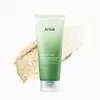
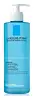
Anua Heartleaf Quercetinol Pore Deep Cleansing Foam Versus La Roche-Posay Toleriane Purifying Foaming Face Cleanser
This salicylic acid foaming cleanser is formulated around Salicylic Acid to clear breakouts and unclog pores.
This mild foaming cleanser is made to cleanse while respecting your skin barrier.


What's inside
What's inside
 Key Ingredients
Benefits
Concerns
Ingredients Side-by-side
Cota Tinctoria Flower/Leaf/Stem Extract 33%
Skin ConditioningGlycerin
Humectant


Sodium Cocoyl Glycinate
Cleansing
Water
Skin ConditioningDisodium Cocoamphodiacetate
CleansingSodium Lauroyl Glutamate
SurfactantGlyceryl Stearate
Emollient

Propanediol
Solvent
Coco-Glucoside
Cleansing
Sodium Chloride
MaskingDecyl Glucoside
Cleansing
Ectoin
Skin Conditioning



1,2-Hexanediol
Skin Conditioning
Hydroxyacetophenone
Antioxidant
Salicylic Acid
Masking









Butylene Glycol
Humectant
Polyquaternium-67
Houttuynia Cordata Powder
Skin ConditioningAcrylates/C10-30 Alkyl Acrylate Crosspolymer
Emulsion StabilisingSorbitol
Humectant
Ethylhexylglycerin
Skin ConditioningEucalyptus Globulus Leaf Oil
Perfuming



Hexylene Glycol
EmulsifyingOenothera Biennis Flower Extract
AstringentPueraria Lobata Root Extract
HumectantPinus Densiflora Leaf Extract
Antimicrobial
Ulmus Fulva Bark Extract
MoisturisingPentylene Glycol
Skin Conditioning
Sodium Hyaluronate
Humectant
Hyaluronic Acid
Humectant
Hydrolyzed Hyaluronic Acid
Humectant
Hydroxypropyltrimonium Hyaluronate
Hydrolyzed Sodium Hyaluronate
Skin Conditioning
Potassium Hyaluronate
Skin ConditioningSodium Hyaluronate Crosspolymer
Humectant
Sodium Acetylated Hyaluronate
Humectant
Quercetin
Antioxidant
Cota Tinctoria Flower/Leaf/Stem Extract 33%, Glycerin, Sodium Cocoyl Glycinate, Water, Disodium Cocoamphodiacetate, Sodium Lauroyl Glutamate, Glyceryl Stearate, Propanediol, Coco-Glucoside, Sodium Chloride, Decyl Glucoside, Ectoin, 1,2-Hexanediol, Hydroxyacetophenone, Salicylic Acid, Butylene Glycol, Polyquaternium-67, Houttuynia Cordata Powder, Acrylates/C10-30 Alkyl Acrylate Crosspolymer, Sorbitol, Ethylhexylglycerin, Eucalyptus Globulus Leaf Oil, Hexylene Glycol, Oenothera Biennis Flower Extract, Pueraria Lobata Root Extract, Pinus Densiflora Leaf Extract, Ulmus Fulva Bark Extract, Pentylene Glycol, Sodium Hyaluronate, Hyaluronic Acid, Hydrolyzed Hyaluronic Acid, Hydroxypropyltrimonium Hyaluronate, Hydrolyzed Sodium Hyaluronate, Potassium Hyaluronate, Sodium Hyaluronate Crosspolymer, Sodium Acetylated Hyaluronate, Quercetin
Water
Skin ConditioningGlycerin
Humectant
Coco-Betaine
Cleansing
Propanediol
Solvent
PEG-120 Methyl Glucose Dioleate
Emulsifying
Sodium Hydroxide
BufferingSodium Chloride
MaskingCitric Acid
Buffering
Disodium EDTA
Hydroxyacetophenone
Antioxidant
Capryloyl Glycine
CleansingCaprylyl Glycol
Emollient
Disodium Cocoyl Glutamate
Cleansing
Ceramide NP
Skin Conditioning
Niacinamide
Smoothing

Trisodium Ethylenediamine Disuccinate
Pentylene Glycol
Skin Conditioning
Acrylates Copolymer
Tocopherol
Antioxidant
Water, Glycerin, Coco-Betaine, Propanediol, PEG-120 Methyl Glucose Dioleate, Sodium Hydroxide, Sodium Chloride, Citric Acid, Disodium EDTA, Hydroxyacetophenone, Capryloyl Glycine, Caprylyl Glycol, Disodium Cocoyl Glutamate, Ceramide NP, Niacinamide, Trisodium Ethylenediamine Disuccinate, Pentylene Glycol, Acrylates Copolymer, Tocopherol
Reviews
Ingredients Explained
These ingredients are found in both products.
Ingredients higher up in an ingredient list are typically present in a larger amount.
Glycerin (or glycerol) is a compound naturally found in your skin. It's a powerhouse humectant that pulls water into the stratum corneum.
Topically, glycerin does several things at once:
Your skin makes glycerin on its own (mostly from sebaceous oil breakdown) and shuttles it to your outermost layer of skin, or your epidermis, via aquaporin-3.
Aquaporin-3 is a transporter that is essential for normal skin hydration, elasticity, and repair. Interestingly, mice lacking in AQP3 have dry and less elastic skin that can be fully corrected with glycerin.
This ingredient is non-irritating, plays well with almost every ingredient, and works across all skin types. Typical use is anywhere between 3-10% but can go up to 79% in some leave-on products.
Just know very high concentrations (>40%) can feel tacky in low humidity.
Glycerin is the name for this ingredient in American English. British English uses Glycerol/Glycerine.
Learn more about GlycerinHydroxyacetophenone is a small phenolic molecule that earns its place in a formulas as an antioxidant and preservative booster.
As a phenol, it is able to neutralize free radicals to protect both the product and the skin from oxidative stress.
Though it can't kill microbes on its own, it works as a good supporting agent when combined with other preservatives like Phenoxyethanol or 1,2-Hexanediol.
This ingredient naturally occurs as piceol in Norwegian spruce needles (~0.4-1.1% dry weight and in cloudberries). Though the cosmetic-grade material is synthesized for purity and consistency.
You'll usually see it used at low levels and suppliers recommend up to 1% added to a water phase.
Safety testing was done at concentrations like 0.05% in SPF products and 0.5% in a Human Repeated Insult Patch Test. The safety evidence is assuring; this ingredient is safe for cosmetics in current use and also holds safety status as a food flavoring as well.
An honest caveat: the "soothing" and "anti-inflammatory" claims come mostly from supplier marketing rather than published clinical trials. The Cosmetic Ingredient Review's own literature search found no useful efficacy studies on this ingredient.
So the antioxidant and preservative-boosting roles are the well supported ones while the calming benefit is plausible but thinly evidenced.
Overall, this is a well-tolerated, low-irritation multitasker that quietly helps a formula stay fresh and stable.
Learn more about HydroxyacetophenonePentylene Glycol (1,2-pentanediol) is a multitasking little diol with three main roles in a formula:
Research on alkanediols (the family pentylene glycol belongs to) show they work by disrupting microbial cell membranes. This disruption helps the primary preservative system in a product work more effectively at lower doses.
On the safety side, the Cosmetic Ingredient Review Expert Panel has concluded this ingredient to be safe as used in current cosmetic practices + concentrations.
Typical use levels in a formula run about 1-5%.
Learn more about Pentylene GlycolPropanediol is an all-star ingredient. It softens, hydrates, and smooths the skin.
It’s often used to:
Propanediol is not likely to cause sensitivity and considered safe to use. It is derived from corn or petroleum with a clear color and no scent.
Learn more about PropanediolChances are, you eat sodium chloride every day. Sodium Chloride is also known as table salt. This ingredient has many purposes in skincare: thickener, emulsifier, and exfoliator.
You'll most likely find this ingredient in cleansers where it is used to create a gel-like texture. As an emulsifier, it also prevents ingredients from separating.
You might see people debate whether Sodium Chloride is comedogenic, but there actually haven't been any comedogenic tests done on it. Either way, the overall formulation of a product matters a lot more than any single ingredient.
You might see this ingredient used in scrubs as a primary exfoliating ingredient.
Learn more about Sodium ChlorideWater. It's the most common cosmetic ingredient of all. You'll usually see it at the top of ingredient lists, meaning that it makes up the largest part of the product.
So why is it so popular? Water most often acts as a solvent - this means that it helps dissolve other ingredients into the formulation.
You'll also recognize water as that liquid we all need to stay alive. If you see this, drink a glass of water. Remember to stay hydrated!
Learn more about Water

