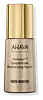
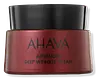
AHAVA Osmoter Concentrate Moisturizing Serum Versus AHAVA Apple Of Sodom Advanced Deep Wrinkle Cream
This hydrating serum is formulated around Aloe Barbadensis Leaf Juice and Laminaria Digitata Extract to hydrate skin and strengthen the skin barrier.

What's inside
What's inside
 Key Ingredients
Benefits
Concerns
Ingredients Side-by-side
Sigesbeckia Orientalis Extract
Skin ConditioningDimethicone
Emollient

PEG-12 Dimethicone/PPG-20 Crosspolymer
Cyclomethicone
Emollient
Aloe Barbadensis Leaf Juice
Skin Conditioning


Glycerin
Humectant
Isodecyl Isononanoate
EmollientDiisobutyl Adipate
EmollientDimethiconol
Emollient
Biosaccharide Gum-1
Humectant
Sodium Lactate
Buffering
Trehalose
Humectant
Laminaria Digitata Extract
Skin Protecting

Citrus Aurantium Amara Fruit Extract
Skin ConditioningBisabolol
Antioxidant
Squalene
Emollient

Argania Spinosa Kernel Oil
Emollient


Parfum
Masking


Hydroxyethyl Acrylate/Sodium Acryloyldimethyl Taurate Copolymer
Emulsion StabilisingSodium Hyaluronate
Humectant
Benzotriazolyl Dodecyl P-Cresol
UV AbsorberMelissa Officinalis Flower/Leaf/Stem Extract
SoothingTris(Tetramethylhydroxypiperidinol)Citrate
StabilisingSodium Benzotriazolyl Butylphenol Sulfonate
UV AbsorberGlucosyl Hesperidin
HumectantOlea Europaea Leaf Extract
Perfuming
Vitis Vinifera Seed Extract
Antimicrobial
Camellia Sinensis Leaf Extract
Antimicrobial

Sigesbeckia Orientalis Extract, Dimethicone, PEG-12 Dimethicone/PPG-20 Crosspolymer, Cyclomethicone, Aloe Barbadensis Leaf Juice, Glycerin, Isodecyl Isononanoate, Diisobutyl Adipate, Dimethiconol, Biosaccharide Gum-1, Sodium Lactate, Trehalose, Laminaria Digitata Extract, Citrus Aurantium Amara Fruit Extract, Bisabolol, Squalene, Argania Spinosa Kernel Oil, Parfum, Hydroxyethyl Acrylate/Sodium Acryloyldimethyl Taurate Copolymer, Sodium Hyaluronate, Benzotriazolyl Dodecyl P-Cresol, Melissa Officinalis Flower/Leaf/Stem Extract, Tris(Tetramethylhydroxypiperidinol)Citrate, Sodium Benzotriazolyl Butylphenol Sulfonate, Glucosyl Hesperidin, Olea Europaea Leaf Extract, Vitis Vinifera Seed Extract, Camellia Sinensis Leaf Extract
Water
Skin ConditioningCeteth-20
CleansingCetyl Alcohol
Emollient

Glyceryl Stearate
Emollient
PEG-75 Stearate
Surfactant
Steareth-20
CleansingIsohexadecane
EmollientIsodecyl Isononanoate
EmollientCaprylic/Capric Triglyceride
Masking
Stearyl Dimethicone
Emollient
Glycerin
Humectant
Myristyl Myristate
Emollient
Hydrogenated Polyisobutene
EmollientPropanediol
Solvent
Cetearyl Alcohol
Emollient
Cetearyl Glucoside
Emulsifying
Dimethicone
Emollient
C10-18 Triglycerides
Emollient
Aloe Barbadensis Leaf Juice
Skin Conditioning
Squalene
Emollient
Phenoxyethanol
Preservative
Dimethiconol
Emollient
Pvp
Emulsion StabilisingBehenyl Behenate
EmollientCalotropis Procera Callus Extract
Antioxidant
Butylene Glycol
Humectant
Spilanthes Acmella Flower Extract
Skin ConditioningCaprylyl Glycol
Emollient
Chlorphenesin
Antimicrobial
Tripeptide-3
Skin Conditioning
Tribehenin
Emollient
Acmella Oleracea Extract
Skin ProtectingEctoin
Skin Conditioning
Allantoin
Skin Conditioning
Maris Aqua
HumectantParfum
Masking
Hexyl Cinnamal
Perfuming
Linalool
Perfuming
Limonene
Perfuming
Geraniol
Perfuming
Water, Ceteth-20, Cetyl Alcohol, Glyceryl Stearate, PEG-75 Stearate, Steareth-20, Isohexadecane, Isodecyl Isononanoate, Caprylic/Capric Triglyceride, Stearyl Dimethicone, Glycerin, Myristyl Myristate, Hydrogenated Polyisobutene, Propanediol, Cetearyl Alcohol, Cetearyl Glucoside, Dimethicone, C10-18 Triglycerides, Aloe Barbadensis Leaf Juice, Squalene, Phenoxyethanol, Dimethiconol, Pvp, Behenyl Behenate, Calotropis Procera Callus Extract, Butylene Glycol, Spilanthes Acmella Flower Extract, Caprylyl Glycol, Chlorphenesin, Tripeptide-3, Tribehenin, Acmella Oleracea Extract, Ectoin, Allantoin, Maris Aqua, Parfum, Hexyl Cinnamal, Linalool, Limonene, Geraniol
Alternatives
Ingredients Explained
These ingredients are found in both products.
Ingredients higher up in an ingredient list are typically present in a larger amount.
Aloe Barbadensis Leaf Juice is the filtered, stabilized liquid pressed from the inner gel of the aloe vera leaf.
In cosmetics, it shows up as either soothing active or a water-replacement base. It is roughly 98-99% water and the last 1-2% is an interesting mix of polysaccharides, amino acids, vitamins, minerals, and enzymes.
The polysaccharides do most of the work: they bind water at the skin surface for a light, non-greasy hydration boost. And one of the polysaccharides, glycomannan, is linked to fibroblast stimulation + collagen synthesis. This is also why aloe has such a long track record in wound and burn healing.
This ingredient is also calming with anti-inflammatory and mild antimicrobial activity, making it a great pick for sensitive, irritated, or post-sun skin.
Realistic expectations matter though; the solid evidence is mostly limited to hydration, soothing, and wound support. Deeper claims about anti-aging or sun protection are not well backed, and science reviews note it does not prevent radiation-induced skin injury.
Because it plays well with almost everything, it's commonly used as a base alongside other actives like niacinamide or vitamin C.
Typical usage concentrations range from 0.5% (where hydration benefits already show up) all the way to 90%+ (where it replaces water as the main base).
The safety for this ingredient is well-establish as well. Overall, this is a great supporting ingredient for those who want a boost in hydration.
Learn more about Aloe Barbadensis Leaf JuiceDimethicone is a type of synthetic silicone created from natural materials such as quartz. It is also known as polydimethylsiloxane.
What it does:
Dimethicone comes in different viscosities:
Depending on the viscosity, dimethicone has different properties.
Ingredients lists don't always show which type is used, so we recommend reaching out to the brand if you have questions about the viscosity.
This ingredient is unlikely to cause irritation because it does not get absorbed into skin. However, people with silicone allergies should be careful about using this ingredient.
Note: Dimethicone may contribute to pilling. This is because it is not oil or water soluble, so pilling may occur when layered with products. When mixed with heavy oils in a formula, the outcome is also quite greasy.
Learn more about DimethiconeDimethiconol is a silicone that resembles the popular dimethicone. Like other silicones, it is an emollient. Emollients create a thin film on skin to prevent moisture from escaping.
This ingredient helps to create a silky texture and improve spreadability. Due to its high molecular weight and thickness, it is often combined with cyclopentasiloxane.
Glycerin (or glycerol) is a compound naturally found in your skin. It's a powerhouse humectant that pulls water into the stratum corneum.
Topically, glycerin does several things at once:
Your skin makes glycerin on its own (mostly from sebaceous oil breakdown) and shuttles it to your outermost layer of skin, or your epidermis, via aquaporin-3.
Aquaporin-3 is a transporter that is essential for normal skin hydration, elasticity, and repair. Interestingly, mice lacking in AQP3 have dry and less elastic skin that can be fully corrected with glycerin.
This ingredient is non-irritating, plays well with almost every ingredient, and works across all skin types. Typical use is anywhere between 3-10% but can go up to 79% in some leave-on products.
Just know very high concentrations (>40%) can feel tacky in low humidity.
Glycerin is the name for this ingredient in American English. British English uses Glycerol/Glycerine.
Learn more about GlycerinWe don't have a description for Isodecyl Isononanoate yet.
Parfum is a catch-all term for an ingredient or more that is used to give a scent to products.
Also called "fragrance", this ingredient can be a blend of hundreds of chemicals or plant oils. This means every product with "fragrance" or "parfum" in the ingredients list is a different mixture.
For instance, Habanolide is a proprietary trade name for a specific aroma chemical. When used as a fragrance ingredient in cosmetics, most aroma chemicals fall under the broad labeling category of “FRAGRANCE” or “PARFUM” according to EU and US regulations.
The term 'parfum' or 'fragrance' is not regulated in many countries. In many cases, it is up to the brand to define this term.
For instance, many brands choose to label themselves as "fragrance-free" because they are not using synthetic fragrances. However, their products may still contain ingredients such as essential oils that are considered a fragrance by INCI standards.
One example is Calendula flower extract. Calendula is an essential oil that still imparts a scent or 'fragrance'.
Depending on the blend, the ingredients in the mixture can cause allergies and sensitivities on the skin. Some ingredients that are known EU allergens include linalool and citronellol.
Parfum can also be used to mask or cover an unpleasant scent.
The bottom line is: not all fragrances/parfum/ingredients are created equally. If you are worried about fragrances, we recommend taking a closer look at an ingredient. And of course, we always recommend speaking with a professional.
Learn more about ParfumSqualene is one of the main components of skin surface lipids. It is naturally found in our skin and makes up about 13% of sebum.
Topically, it is an emollient and skin conditioning agent.
Research highlights its role in antioxidant activity, anti-inflammatory effects, skin barrier protection, and wound healing support.
In vivo research has shown that transepidermal water loss (TEWL) caused by irritant exposure can be reverse with squalene supplementation (pointing to barrier recovery support).
Its antioxidant activity is backed by ex vivo and cell-based evidence showing it can scavenge free radicals but large-scale human clinical trials isolating this effect remain limited.
One study found squalene regulated proinflammatory behavior in ways relevant to wound healing, and in vitro fibroblast studies also shows it stimulates cell migration which is a key step in skin repair.
There's just one nuance to know about this ingredient:
Squalene is particularly vulnerable to oxidation; it breaks down from UV exposure 10x faster than the other lipids on your skin's surface. The byproducts of that breakdown can clog pores and trigger inflammation, potentially worsening acne.
This is why squalene is often hydrogenated into its stable counterpart: squalane (with an "a"). Most great formulations will have alreadu kept this in mind.
Squalene has shown no significant clinical evidence of sensitization and is a great hydrating ingredient.
Learn more about Squalene

