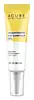
This calming eye moisturizer is formulated around Aloe Barbadensis Leaf Juice and Panthenol to calm redness and hydrate skin.
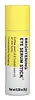
This brightening eye moisturizer is formulated around Vitis Vinifera Seed Oil and Tocopherol to brighten dull-looking skin and hydrate skin.

What's inside
What's inside
 Key Ingredients
Benefits
Concerns
Ingredients Side-by-side
Aloe Barbadensis Leaf Juice
Skin Conditioning


Water
Skin ConditioningGlycerin
Humectant

Sorbitol
Humectant
Xanthan Gum
EmulsifyingAvocado Oil Glycereth-8 Esters
Cleansing
Panthenol
Skin Conditioning
Tocopherol
Antioxidant




Asparagopsis Armata Extract
Skin Protecting

Ascophyllum Nodosum Extract
Skin Conditioning
Hibiscus Syriacus Callus Extract
Antioxidant
Hamamelis Virginiana Water
Astringent


Avena Sativa Bran Extract
Abrasive
Helianthus Annuus Seed Oil
Emollient
Vitis Vinifera Seed Oil
Emollient
Argania Spinosa Kernel Oil
Emollient
Hydrolyzed Vegetable Protein
Skin ConditioningSodium Hyaluronate
Humectant
Allantoin
Skin Conditioning
Bisabolol
Antioxidant
Hydrogenated Starch Hydrolysate
HumectantCaprylyl Glycol
Emollient
Isoamyl Laurate
Emollient
PEG-6 Caprylic/Capric Glycerides
EmulsifyingPEG-150 Pentaerythrityl Tetrastearate
Emulsifying
Maltodextrin
Absorbent
Hydroxyethylcellulose
Emulsion StabilisingPhenethyl Alcohol
MaskingMethylpropanediol
SolventSodium Citrate
BufferingSodium Phytate
ChelatingCaprylhydroxamic Acid
ChelatingSorbic Acid
Preservative
Benzoic Acid
Masking
Sodium Caproyl/Lauroyl Lactylate
AntimicrobialCitric Acid
Buffering
Aloe Barbadensis Leaf Juice, Water, Glycerin, Sorbitol, Xanthan Gum, Avocado Oil Glycereth-8 Esters, Panthenol, Tocopherol, Asparagopsis Armata Extract, Ascophyllum Nodosum Extract, Hibiscus Syriacus Callus Extract, Hamamelis Virginiana Water, Avena Sativa Bran Extract, Helianthus Annuus Seed Oil, Vitis Vinifera Seed Oil, Argania Spinosa Kernel Oil, Hydrolyzed Vegetable Protein, Sodium Hyaluronate, Allantoin, Bisabolol, Hydrogenated Starch Hydrolysate, Caprylyl Glycol, Isoamyl Laurate, PEG-6 Caprylic/Capric Glycerides, PEG-150 Pentaerythrityl Tetrastearate, Maltodextrin, Hydroxyethylcellulose, Phenethyl Alcohol, Methylpropanediol, Sodium Citrate, Sodium Phytate, Caprylhydroxamic Acid, Sorbic Acid, Benzoic Acid, Sodium Caproyl/Lauroyl Lactylate, Citric Acid
Vitis Vinifera Seed Oil
Emollient
Helianthus Annuus Seed Wax
Skin Conditioning
Myrica Cerifera Fruit Wax
EmollientButyrospermum Parkii Butter
Skin Conditioning
Camellia Japonica Seed Oil
Emollient

Vitis Vinifera Seed Oil, Helianthus Annuus Seed Wax, Myrica Cerifera Fruit Wax, Butyrospermum Parkii Butter, Camellia Japonica Seed Oil, Theobroma Cacao Seed Butter, Olea Europaea Fruit Oil, Tocopherol, Coffea Arabica Seed Oil, Brassica Oleracea Italica Seed Oil, Argania Spinosa Kernel Oil, Citric Acid
Ingredients Explained
These ingredients are found in both products.
Ingredients higher up in an ingredient list are typically present in a larger amount.
You may know this ingredient as argan oil. It has emollient and skin conditioning properties that help soften skin and reinforce the lipid barrier.
The fatty acid profile of argan oil is roughly 45-55% oleic acid, 28-36% linoleic acid, 10-15% palmitic acid, and 5-7% stearic acid. It also contains vitamin E, sterols, squalene, and polyphenols like ferulic acid.
Two clinical studies in postmenopausal women found that applying argan oil for 60 days significantly improved skin elasticity and moisturization (reduced transepidermal water loss and increased epidermal water content).
Since it is high in oleic and linoleic acid, this ingredient may not be fungal acne safe. Both of these fall in the C11-C24 range that Malassezia yeast can metabolize.
Learn more about Argania Spinosa Kernel OilCitric Acid is an alpha hydroxy acid (AHA) naturally found in citrus fruits like oranges, lemons, and limes.
Like other AHAs, citric acid can exfoliate skin by breaking down the bonds that hold dead skin cells together. This helps reveal smoother and brighter skin underneath.
However, this exfoliating effect only happens at high concentrations (20%) which can be hard to find in cosmetic products.
Due to this, citric acid is usually included in small amounts as a pH adjuster. This helps keep products slightly more acidic and compatible with skin's natural pH.
In skincare formulas, citric acid can:
While it can provide some skin benefits, research shows lactic acid and glycolic acid are generally more effective and less irritating exfoliants.
Most citric acid used in skincare today is made by fermenting sugars (usually from molasses). This synthetic version is identical to the natural citrus form but easier to stabilize and use in formulations.
Rosacea skin has a lower threshold for acids generally, with 62.5% of rosacea subjects in one study reacting to lactic acid in a sting test. This is why we mark citric acid as a potential rosacea trigger.
However, this ingredient shows up as a pH adjuster or chelator at roughly 0.1-1% in many products. These low levels are unlikely to be an issue for rosacea skin and becomes a potential trigger at exfoliating concentrations (20%). Because everybody's skin is unique, we recommend a patch test if you are unsure.
Learn more about Citric AcidTocopherol is a fat-soluble antioxidant known as Vitamin E.
You'll find this ingredient in the vast majority of skincare (for good reason). It works to neutralize free radicals, or unstable molecules generated by UV exposure, pollution, and other environmental stressors, before they can cause oxidative damage to your skin cells.
Topically applied tocopherol has been shown to protect against UV damage by ramping up the skin's own natural defense enzymes.
It also acts as a skin conditioning agent; some studies show that regular topical use can improve the skin's water-binding capacity over 2-4 weeks.
This ingredient is especially loved for being a team player. When combined with Vitamin C, the photoprotective effect of both ingredients roughly doubles and the combo also helps reduce UV-induced DNA damage.
This ingredient has some brightening potential but it's more of a prevention ingredient than spot-fader. Cell studies show it can slow down melanin production but it's worth noting that it's not the most powerful brightener out there.
In formulations, it also serves as a stabilizer that helps protect other oxidation-prone ingredients from degrading.
Concentrations usually range from 0.1-1% in most leave-on products.
Learn more about TocopherolVitis Vinifera Seed Oil comes from the grape vine. Grape seeds are a byproduct of creating grape juice or wine.
The components of grape seeds have many skin benefits. Research has found it to be antimicrobial and anti-inflammatory. It also contains many potent antioxidants such as Vitamin E , Vitamin C, proanthocyanidins, polyphenols, flavonoids, and anthocyanins. Proanthocyanidin has been shown to help even out skin tone.
Antioxidants help fight free-radical molecules. Free-radical molecules are capable of damaging our cells and other genetic material. Antioxidants help stabilize free-radicals by donating extra electrons. Grape seed extract may help reduce the signs of aging.
The antimicrobial properties of grape seed may help treat acne. However, more research is needed to support this claim.
Grape seed has also been found to help absorb UV rays. Grape seed extract should not replace your sunscreen.
The fatty acids of grape seed oil give it emollient properties. Emollients help soothe and soften your skin by creating a film. This film traps moisture within, keeping your skin hydrated.
Learn more about Vitis Vinifera Seed Oil

