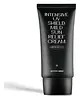
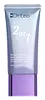
Active Nine Intensive UV Shield Mild Sun Relief Cream SPF50+ PA++++ Versus Dr.Leo Multi Effect Isolation Cream
This hybrid sunscreen covers the full UV range and blocks ~98% of UVB at SPF 50.
This barrier-repair moisturizer is formulated around Niacinamide and Bifida Ferment Lysate to strengthen the skin barrier and calm redness.


What's inside
What's inside
 Key Ingredients
Benefits
Concerns
No concerns
Ingredients Side-by-side
Water
Skin ConditioningZinc Oxide
Cosmetic Colorant


Cyclopentasiloxane
Emollient
Butyloctyl Salicylate
Skin Conditioning
Propanediol
Solvent

Propylheptyl Caprylate
EmollientIsododecane
EmollientCaprylyl Methicone
Skin Conditioning
PEG-10 Dimethicone
Skin Conditioning
Niacinamide
Smoothing









Disteardimonium Hectorite
StabilisingPolyglyceryl-3 Polydimethylsiloxyethyl Dimethicone
Skin Conditioning
Corchorus Olitorius Leaf Extract
Skin ConditioningAngelica Keiskei Extract
Antioxidant
Nelumbo Nucifera Root Extract
Skin ConditioningHibiscus Esculentus Fruit Extract
Skin ConditioningDioscorea Japonica Root Extract
Skin Conditioning
Sodium Hyaluronate
Humectant
Melaleuca Alternifolia Leaf Water
Antimicrobial
Magnesium Sulfate
Triethoxycaprylylsilane
1,2-Hexanediol
Skin Conditioning
Polymethylsilsesquioxane
Glyceryl Caprylate
EmollientCaprylyl Glycol
Emollient
Ethylhexylglycerin
Skin ConditioningAdenosine
Skin Conditioning
Panthenol
Skin Conditioning
Water, Zinc Oxide, Cyclopentasiloxane, Butyloctyl Salicylate, Propanediol, Propylheptyl Caprylate, Isododecane, Caprylyl Methicone, PEG-10 Dimethicone, Niacinamide, Disteardimonium Hectorite, Polyglyceryl-3 Polydimethylsiloxyethyl Dimethicone, Corchorus Olitorius Leaf Extract, Angelica Keiskei Extract, Nelumbo Nucifera Root Extract, Hibiscus Esculentus Fruit Extract, Dioscorea Japonica Root Extract, Sodium Hyaluronate, Melaleuca Alternifolia Leaf Water, Magnesium Sulfate, Triethoxycaprylylsilane, 1,2-Hexanediol, Polymethylsilsesquioxane, Glyceryl Caprylate, Caprylyl Glycol, Ethylhexylglycerin, Adenosine, Panthenol
Water
Skin ConditioningGlycerin
Humectant
Niacinamide
Smoothing
Sodium Hyaluronate
Humectant
Bifida Ferment Lysate
Skin Conditioning
Tremella Fuciformis Sporocarp Extract
Antioxidant
Abelmoschus Esculentus Fruit Extract
Skin ConditioningChamomilla Recutita Flower Extract
Masking
Glycyrrhiza Glabra Root Extract
Bleaching
Camellia Sinensis Leaf Extract
Antimicrobial
Cladosiphon Novae-Caledoniae Extract
HumectantPolygonum Cuspidatum Root Extract
Antioxidant
Centella Asiatica Extract
Cleansing
Sodium Acetylated Hyaluronate
Humectant
Rosmarinus Officinalis Leaf Extract
AntimicrobialScutellaria Baicalensis Root Extract
Astringent
Sodium Hyaluronate Crosspolymer
Humectant
Hydrolyzed Sodium Hyaluronate
Skin Conditioning
Cyclopentasiloxane
Emollient
Propylene Glycol
Humectant

Titanium Dioxide
Cosmetic Colorant
Cyclohexasiloxane
Emollient
Glycereth-26
Humectant
PEG-10 Dimethicone
Skin Conditioning
PEG-10 Dimethicone/Vinyl Dimethicone Crosspolymer
Stabilising
Magnesium Sulfate
Isononyl Isononanoate
Emollient1,2-Hexanediol
Skin Conditioning
Hydroxyacetophenone
Antioxidant
CI 77007
Cosmetic ColorantMagnesium Stearate
Cosmetic ColorantC12-15 Alkyl Benzoate
AntimicrobialPhenyl Trimethicone
Skin Conditioning
Butylene Glycol
Humectant
Pentylene Glycol
Skin Conditioning
Cetyl PEG/PPG-10/1 Dimethicone
Emulsifying
Triethoxycaprylylsilane
Aroma


Water, Glycerin, Niacinamide, Sodium Hyaluronate, Bifida Ferment Lysate, Tremella Fuciformis Sporocarp Extract, Abelmoschus Esculentus Fruit Extract, Chamomilla Recutita Flower Extract, Glycyrrhiza Glabra Root Extract, Camellia Sinensis Leaf Extract, Cladosiphon Novae-Caledoniae Extract, Polygonum Cuspidatum Root Extract, Centella Asiatica Extract, Sodium Acetylated Hyaluronate, Rosmarinus Officinalis Leaf Extract, Scutellaria Baicalensis Root Extract, Sodium Hyaluronate Crosspolymer, Hydrolyzed Sodium Hyaluronate, Cyclopentasiloxane, Propylene Glycol, Titanium Dioxide, Cyclohexasiloxane, Glycereth-26, PEG-10 Dimethicone, PEG-10 Dimethicone/Vinyl Dimethicone Crosspolymer, Magnesium Sulfate, Isononyl Isononanoate, 1,2-Hexanediol, Hydroxyacetophenone, CI 77007, Magnesium Stearate, C12-15 Alkyl Benzoate, Phenyl Trimethicone, Butylene Glycol, Pentylene Glycol, Cetyl PEG/PPG-10/1 Dimethicone, Triethoxycaprylylsilane, Aroma
Reviews
Ingredients Explained
These ingredients are found in both products.
Ingredients higher up in an ingredient list are typically present in a larger amount.
1,2-Hexanediol is a synthetic liquid and another multi-functional powerhouse.
It is a:
- Humectant, drawing moisture into the skin
- Emollient, helping to soften skin
- Solvent, dispersing and stabilizing formulas
- Preservative booster, enhancing the antimicrobial activity of other preservatives
Cyclopentasiloxane (D5) is a lightweight silicone that mostly acts as an emollient and solvent in cosmetics. Its the reason your products feel silky, fast-spreading, and non-greasy.
Since D5 is volatile, it does its thing and then evaporates off the skin quickly.
The safety profile of this ingredient is reassuring; the US CIR Expert Panel concluded D5 is safe as used in cosmetics and Health Canada concluded that D5 is not harmful to human health or the environment as currently used in cosmetics
There's a study that people mention about D5 in a rat study showing tumors. This study is related to long-term inhalation of high D5 levels.
Regulatory bodies have judged this study to be not applicable in topical skincare since skin absorption of D5 is very low and we're not really inhaling huge amounts of D5.
The only restriction for this ingredient is environmental. The European Chemicals Agency (ECHA) restricted D5 in wash-off cosmetics at or above 0.1% due to their persistence in water.
Learn more about CyclopentasiloxaneMagnesium Sulfate is a salt. More specifically, it is an epsom salt, or the bath salt used to help relieve muscle aches.
Despite having ‘sulfate’ in the name, it isn’t a surfactant or cleansing agent like sodium lauryl sulfate. Unlike those sulfates, magnesium sulfate doesn’t have the same cleansing or foaming properties (it's simply a type of salt).
In cosmetics, Magnesium Sulfate is used to thicken a product or help dilute other solids. It is a non-reactive and non-irritating ingredient.
One study shows magnesium deficiency may lead to inflammation of the skin. Applying magnesium topically may help reduce inflammation.
You can find this ingredient in sea water or mineral deposits.
Learn more about Magnesium SulfateNiacinamide is a multitasking form of vitamin B3 that strengthens the skin barrier, reduces pores and dark spots, regulates oil, and improves signs of aging.
And the best part? It's gentle and well-tolerated by most skin types, including sensitive and reactive skin.
You might have heard of "niacin flush", or the reddening of skin that causes itchiness. Niacinamide has not been found to cause this.
In very rare cases, some individuals may not be able to tolerate niacinamide at all or experience an allergic reaction to it.
If you are experiencing flaking, irritation, and dryness with this ingredient, be sure to double check all your products as this ingredient can be found in all categories of skincare.
When incorporating niacinamide into your routine, look out for concentration amounts. Typically, 5% niacinamide provides benefits such as fading dark spots. However, if you have sensitive skin, it is better to begin with a smaller concentration.
When you apply niacinamide to your skin, your body converts it into nicotinamide adenine dinucleotide (NAD). NAD is an essential coenzyme that is already found in your cells as "fuel" and powers countless biological processes.
In your skin, NAD helps repair cell damage, produce new healthy cells, support collagen production, strengthen the skin barrier, and fight environmental stressors (like UV and pollution).
Our natural NAD levels start to decline with age, leading to slower skin repair, visible aging, and a weaker skin barrier. By providing your skin niacinamide, you're recharging your skin's NAD levels. This leads to stronger, healthier, and younger looking skin.
Another name for vitamin B3 is nicotinamide. This vitamin is water-soluble and our bodies don't store it. We obtain Vitamin B3 from either food or skincare. Meat, fish, wheat, yeast, and leafy greens contain vitamin B3.
The type of niacinamide used in skincare is synthetically created.
Learn more about NiacinamidePeg-10 Dimethicone is silicone with conditioner and emulsifier properties. It mostly acts as an emollient in skincare and and humectant in haircare.
According to the manufacturer, acidic formulations decrease the stability of this ingredient. It works best in neutral or near neutral formulations.
Sodium Hyaluronate is the salt form of hyaluronic acid. It is a long sugar chain that is naturally found in your skin, joints, and connective tissue that maintains hydration and elasticity.
In skincare, it works as a humectant. It pulls water from the environment and deeper layers of skin and binds it to the surface.
Interestingly, the size of the molecule affects its behavior:
Some clinical evidence links low molecular weight versions to improved wrinkle depth, elasticity, anti-inflammatory effects, and barrier repair.
Many serums use a blend of both weights so you can get surface hydration plus longer-lasting and deeper effects.
You'll typically see concentrations between 0.1-2% for this ingredient.
Learn more about Sodium HyaluronateTriethoxycaprylylsilane is a silicon-based surface modifier that makes sunscreens feel silky and makeup stay put.
Its main job is to coat mineral particles like titanium dioxide, zinc oxide, and color pigments in a thin, oily layer so they spread smoothly, don't clump, and stick to skin better.
This ingredient is typically used at low levels (up to 2.5% in eyeshadow and 1% in lipstick).
Learn more about TriethoxycaprylylsilaneWater. It's the most common cosmetic ingredient of all. You'll usually see it at the top of ingredient lists, meaning that it makes up the largest part of the product.
So why is it so popular? Water most often acts as a solvent - this means that it helps dissolve other ingredients into the formulation.
You'll also recognize water as that liquid we all need to stay alive. If you see this, drink a glass of water. Remember to stay hydrated!
Learn more about Water

