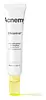
This acne treatment is formulated around Niacinamide and Salicylic Acid to clear breakouts and balance excess oil.
This acne treatment is formulated around Potassium Azeloyl Diglycinate and Salicylic Acid to clear breakouts and balance excess oil.

What's inside
What's inside
 Key Ingredients
Benefits
Concerns
Ingredients Side-by-side
Water
Skin ConditioningNiacinamide
Smoothing











Coco-Caprylate/Caprate
Emollient
Glycerin
Humectant
Salicylic Acid
Masking





Zinc PCA
Humectant
Morinda Citrifolia Callus Culture Lysate
Skin ConditioningDaucus Carota Sativa Root Cell Culture Lysate
Skin ConditioningCeramide NP
Skin Conditioning
Ethylhexylglycerin
Skin ConditioningHydrogenated Phosphatidylcholine
Emulsifying
Phosphatidylcholine
EmulsifyingDimyristyl Phosphate
CleansingMannitol
Humectant
Lecithin
Emollient
Stearamine
Cholesterol
Emollient
Xanthan Gum
EmulsifyingSodium Acrylates Copolymer
Sodium Acrylates Crosspolymer-2
AbsorbentOlive Oil Polyglyceryl-6 Esters
Emollient

Sorbitan Oleate
Emulsifying
Tocopherol
Antioxidant

Lauryl Glucoside
CleansingDecyl Glucoside
Cleansing
Sodium Chloride
MaskingCitric Acid
Buffering
Sodium Benzoate
Masking
Potassium Sorbate
Preservative
Phenoxyethanol
Preservative
Water, Niacinamide, Coco-Caprylate/Caprate, Glycerin, Salicylic Acid, Zinc PCA, Morinda Citrifolia Callus Culture Lysate, Daucus Carota Sativa Root Cell Culture Lysate, Ceramide NP, Ethylhexylglycerin, Hydrogenated Phosphatidylcholine, Phosphatidylcholine, Dimyristyl Phosphate, Mannitol, Lecithin, Stearamine, Cholesterol, Xanthan Gum, Sodium Acrylates Copolymer, Sodium Acrylates Crosspolymer-2, Olive Oil Polyglyceryl-6 Esters, Sorbitan Oleate, Tocopherol, Lauryl Glucoside, Decyl Glucoside, Sodium Chloride, Citric Acid, Sodium Benzoate, Potassium Sorbate, Phenoxyethanol
Water
Skin ConditioningCoco-Caprylate/Caprate
Emollient
Potassium Azeloyl Diglycinate
Skin Conditioning
Glycerin
Humectant
Salicylic Acid
Masking
Morinda Citrifolia Callus Culture Lysate
Skin ConditioningZinc PCA
Humectant
Ceramide NP
Skin Conditioning
Hydrogenated Phosphatidylcholine
Emulsifying
Phosphatidylcholine
EmulsifyingDimyristyl Phosphate
CleansingMannitol
Humectant
Lecithin
Emollient
Stearamine
Cholesterol
Emollient
Xanthan Gum
EmulsifyingTocopherol
Antioxidant
Lauryl Glucoside
CleansingDecyl Glucoside
Cleansing
Cetearyl Alcohol
Emollient

Cetyl Alcohol
Emollient
Polysorbate 80
Emulsifying
Sodium Acrylates Copolymer
Sodium Acrylates Crosspolymer-2
AbsorbentOlive Oil Polyglyceryl-6 Esters
Emollient
Sodium Chloride
MaskingCitric Acid
Buffering
Sorbitan Oleate
Emulsifying
Sodium Benzoate
Masking
Potassium Sorbate
Preservative
Ethylhexylglycerin
Skin ConditioningPhenoxyethanol
Preservative
Water, Coco-Caprylate/Caprate, Potassium Azeloyl Diglycinate, Glycerin, Salicylic Acid, Morinda Citrifolia Callus Culture Lysate, Zinc PCA, Ceramide NP, Hydrogenated Phosphatidylcholine, Phosphatidylcholine, Dimyristyl Phosphate, Mannitol, Lecithin, Stearamine, Cholesterol, Xanthan Gum, Tocopherol, Lauryl Glucoside, Decyl Glucoside, Cetearyl Alcohol, Cetyl Alcohol, Polysorbate 80, Sodium Acrylates Copolymer, Sodium Acrylates Crosspolymer-2, Olive Oil Polyglyceryl-6 Esters, Sodium Chloride, Citric Acid, Sorbitan Oleate, Sodium Benzoate, Potassium Sorbate, Ethylhexylglycerin, Phenoxyethanol
Reviews
Ingredients Explained
These ingredients are found in both products.
Ingredients higher up in an ingredient list are typically present in a larger amount.
Ceramide NP (formerly known as Ceramide 3) is one of the skin's naturally occurring lipids.
Since ceramides are the major lipid components of the skin, they are crucial for maintaining skin barrier and hydration. Ceramide NP most closely mirrors the dominant kind in human skin amongst ceramide subtypes.
This ceramide works by slotting into gaps within the stratum corneum's lipid matrix to limit trans-epidermal water loss (TEWL) and shield the skin against external irritants.
A study with 312 patients found that using a ceramide-containing routine for 4 weeks reduced the severity of atopic dermatitis by over 61%.
Another clinical study in subjects aged 60 and older found that a ceramide body wash and moisturizer improved skin dryness and itchy skin in 15 days.
Overall, ceramides are considered non-irritating and safety tests have found little to no observable adverse effects from using this ingredient.
Ceramide NP is usually sourced from plants (like soybean or rice bran), or produced synthetically.
Learn more about Ceramide NPCholesterol is a lipid that is naturally found in human skin and is one of the three key components of your skin barrier. In skincare, it is an emollient and barrier-repairing ingredient.
It works by fitting directly into the lipid layers of skin to help restore structure and reduce transepidermal water loss (TEWL).
This is a great ingredient for dry, compromised, or aging skin; our skin starts to produce less cholesterol with age.
Research shows cholesterol works best in combination with ceramides and fatty acids, the other two major components in your skin barrier.
Cholesterol is also a well-establish penetration enhancer and can help other actives absorb more effectively.
Cosmetic-grade cholesterol is usually derived from lanolin but plant and synthetic options also exist. We recommend reaching out to the brand if you have questions about their source of cholesterol.
Learn more about CholesterolCitric Acid is an alpha hydroxy acid (AHA) naturally found in citrus fruits like oranges, lemons, and limes.
Like other AHAs, citric acid can exfoliate skin by breaking down the bonds that hold dead skin cells together. This helps reveal smoother and brighter skin underneath.
However, this exfoliating effect only happens at high concentrations (20%) which can be hard to find in cosmetic products.
Due to this, citric acid is usually included in small amounts as a pH adjuster. This helps keep products slightly more acidic and compatible with skin's natural pH.
In skincare formulas, citric acid can:
While it can provide some skin benefits, research shows lactic acid and glycolic acid are generally more effective and less irritating exfoliants.
Most citric acid used in skincare today is made by fermenting sugars (usually from molasses). This synthetic version is identical to the natural citrus form but easier to stabilize and use in formulations.
Rosacea skin has a lower threshold for acids generally, with 62.5% of rosacea subjects in one study reacting to lactic acid in a sting test. This is why we mark citric acid as a potential rosacea trigger.
However, this ingredient shows up as a pH adjuster or chelator at roughly 0.1-1% in many products. These low levels are unlikely to be an issue for rosacea skin and becomes a potential trigger at exfoliating concentrations (20%). Because everybody's skin is unique, we recommend a patch test if you are unsure.
Learn more about Citric AcidCoco-Caprylate/Caprate is a lightweight ester created from coconut oil fatty acids, caprylic acid, and capric acid.
It is an emollient that helps soften skin and reduce transepidermal water loss (TEWL). What sets it apart from heavier emollients is its ultralight, non-greasy feel.
Once applied, this ingredient dries down quickly and leaves a dry, silky finish behind. This also helps improve spreadability and texture.
This ingredient has an excellent safety-record and is non-irritating.
Typical concentrations for cosmetics range from 0.5-62%.
Research on Malassezia growth found no growth on fatty acid esters with chain lengths shorter than 12 carbons (it prefers C11-24).
Since Coco-Caprylate/Caprate is built on C8 and C10 fatty acids, it is out of the range that Malassezia metabolizes, and therefore safe for fungal acne.
Learn more about Coco-Caprylate/CaprateDecyl Glucoside is a plant-derived surfactant and emulsion stabilizer. It is created by reacting glucose with the fatty acids from plants.
Like all surfactants, it works by lowering the surface tension between water and oil. This makes it so that dirt, sebum, and makeup can be lifted off your skin and rinsed away. It also produces a dense and creamy foam.
Because it has a neutral charge, it is compatible with a wide range of ingredients and stays stable across a broad pH range/water hardiness conditions.
Patch testing has shown it to have the lowest irritation potential among common cleansing surfactants (like SLS).
Typical use levels range from 5-20% in rinse-off cleansers.
One thing worth knowing: The American Contact Dermatitis Society named the parent family, alkyl glucosides, "Allergen of the Year" in 2017. The prevalence of allergy is pretty low but be sure to patch test if you've reacted to "gentle" or sulfate-free cleansers before.
This ingredient is fungal acne safe because the fatty alcohol portion of this ingredient is not within the C11-24 chain length that Malassezia can metabolize.
Learn more about Decyl GlucosideWe don't have a description for Dimyristyl Phosphate yet.
Ethylhexylglycerin is created from glycerin. It is a multitasker ingredient that:
The CIR Expert Panel found minimal skin absorption or sensitization of any kind in a safety assessment. Though this ingredient is considered well-tolerated, a small number of cases of allergic dermatitis have been published since 2002. Just be sure to patch test if you are unsure.
Industry-reported use ranges from 8% in rinse-off products and 2% in leave-on formulations.
Learn more about EthylhexylglycerinGlycerin (or glycerol) is a compound naturally found in your skin. It's a powerhouse humectant that pulls water into the stratum corneum.
Topically, glycerin does several things at once:
Your skin makes glycerin on its own (mostly from sebaceous oil breakdown) and shuttles it to your outermost layer of skin, or your epidermis, via aquaporin-3.
Aquaporin-3 is a transporter that is essential for normal skin hydration, elasticity, and repair. Interestingly, mice lacking in AQP3 have dry and less elastic skin that can be fully corrected with glycerin.
This ingredient is non-irritating, plays well with almost every ingredient, and works across all skin types. Typical use is anywhere between 3-10% but can go up to 79% in some leave-on products.
Just know very high concentrations (>40%) can feel tacky in low humidity.
Glycerin is the name for this ingredient in American English. British English uses Glycerol/Glycerine.
Learn more about GlycerinWe don't have a description for Hydrogenated Phosphatidylcholine yet.
Lauryl Glucoside sugar- and lipid-based cleansing agent. It is created from glucose and lauryl alcohol.
This ingredient is a surfactant, making it easier to rinse oil, dirt, and other pollutants away.
A British study found lauryl glucoside to cause skin sensitivity for some people. We recommend speaking with a professional if you have concerns.
Other names for this ingredient include "Lauryl Polyglucose", "Lauryl glycoside", and "D-Glucopyranoside".
Learn more about Lauryl GlucosideLecithin is a term for a group of substances found in the cell membranes of plants, animals, and humans. They are made up of phospholipids.
Thanks to its amphiphilic structure (water-loving head and oil-loving tail), it is a true multitasker:
It plays well with most ingredients and is typically used at 0.1-1%. However, concentrations up to 50% have been reported in moisturizers.
Learn more about LecithinMannitol is a sugar alcohol. It is a humectant and moisturizes the skin. In vitro (not tested on a living organism), mannitol displays antioxidant properties.
When found in aqueous solutions, mannitol tends to become acidic. This is because it loses a hydrogen ion. This is why mannitol can often be found with pH adjusting ingredients, such as sodium bicarbonate.
Fun fact: Mannitol can be found in foods as a sweetener. It can be naturally found in mushrooms, algae, fruits, and veggies.
Learn more about MannitolWe don't have a description for Morinda Citrifolia Callus Culture Lysate yet.
Olive Oil Polyglyceryl-6 Esters is an oil and isn't fungal acne safe.
Phenoxyethanol is one of the most widely used preservatives in skincare (and for good reason!).
It has a large spectrum of antimicrobial activity and especially effective bacteria, yeast, and mold while only having a weak effect on your skin's natural microbiome.
On a cellular level, it disrupts the cell membranes of microbes by poking holes that make the cell leak. This shuts down the chemical reactions the microbe needs to make energy so it can no longer survive.
Another perk of this ingredient is that it stays functional across a wide pH range (3-10).
You'll often see it paired with boosters like Ethylhexylglycerin; one study showed that a 1:9 ratio of Ethylhexylglycerin to Phenoxyethanol damages bacterial membranes as effectively as doubling the Phenoxyethanol concentration on its own.
Typical use concentrations range from 0.3-1% depending on the formula, and this ingredient is capped at 1% int the EU.
Safety-wise, the fear mongering does not hold up to the evidence. The EU's Scientific Committee on Consumer Safety and FDA consider it safe as a preservative at up to 1%, including for children of all ages.
Adverse systemic effects only showed up in animal studies at exposures roughly 200x higher than what people get from cosmetics. And despite its very widespread use, this ingredient is a rare sensitizer and allergic reactions are uncommon.
Learn more about PhenoxyethanolPhosphatidylcholine (PC) is a type of phospholipid, a class of molecule that makes up our own cell membranes.
It has a glycerol backbone, two fatty acid tails (mostly linoleic, palmitic, and oleic), and a phosphate-choline head group.
In skincare, PC pulls double duty:
The linoleic acid it carries gets incorporated into skin ceramides and helps reinforce the lipid matrix.
Interestingly, it can help top of the omega-6 fatty acid that's often low in acne-prone and atopic skin. There's a sizeable body of literature that supports its use in dry, barrier-impaired, and breakout-prone skin.
There are two kinds of PC you'll see on ingredient lists.
Use levels range from <1% as a liposomal carrier and between 20-40% in lamellar matrix sytems.
Learn more about PhosphatidylcholinePotassium Sorbate is a preservative used to prevent yeast and mold in products. It is commonly found in both cosmetic and food products.
This ingredient comes from potassium salt derived from sorbic acid. Sorbic acid is a natural antibiotic and effective against fungus.
Both potassium sorbate and sorbic acid can be found in baked goods, cheeses, dried meats, dried fruit, ice cream, pickles, wine, yogurt, and more.
You'll often find this ingredient used with other preservatives.
Learn more about Potassium SorbateSalicylic Acid (also known as beta hydroxy acid or BHA) is a well-known ingredient for treating skin that struggles with acne and clogged pores. It exfoliates both the skin's surface and deep within the pores to help clear out buildup, control oil, and reduce inflammation.
Unlike AHAs (alpha hydroxy acids), salicylic acid is oil-soluble. This allows it to penetrate into pores which makes it especially effective for treating blackheads and preventing future breakouts.
Salicylic acid is also known for its soothing properties. It has a similar structure to aspirin and can calm inflamed or irritated skin, making it a good option for acne-prone skin that is also sensitive.
Concentrations of 0.5-2% are recognized by the U.S. FDA as an over-the-counter topical acne product.
It can cause irritation and/or dryness if one's skin already has a compromised moisture barrier, so it's best to focus on repairing that before introducing this ingredient into your routine.
While salicylic acid does not increase sun sensitivity, it’s still important to wear sunscreen daily to protect your skin.
If you are looking for the ingredient called BHA or Butylated Hydroxyanisole, click here.
Learn more about Salicylic AcidThis ingredient is a synthetic, salt form polymer built from acrylic acid, ethacrylic acid, or their simple esters. It works as a binder, film former, and viscosity increasing agent.
Typical concentrations start at around 0.5% but can go up to 25% for film-forming or binding.
The CIR Expert Panel assessed the safety of 126 acrylates copolymers and concluded they are safe in cosmetics at current use levels when formulated to be non-irritating. They also noted the levels present in finished cosmetic products are not considered a safety risk and Genotoxicity testing (Ames tests, chromosomal aberration assays) has come back negative across the board.
Though the raw building blocks (like acrylic acid) can be irritating on their own, cosmetic-grade versions go through purification to keep levels extremely low.
Sodium Acrylates Copolymer is a large molecule that doesn't penetrate skin barrier in any meaningful way.
Learn more about Sodium Acrylates CopolymerWe don't have a description for Sodium Acrylates Crosspolymer-2 yet.
Sodium Benzoate is a preservative. It's used in both cosmetic and food products to inhibit the growth of mold and bacteria. It is typically produced synthetically.
Both the US FDA and EU Health Committee have approved the use of sodium benzoate. In the US, levels of 0.1% (of the total product) are allowed.
Sodium benzoate works as a preservative by inhibiting the growth of bacteria inside of cells. It prevents the cell from fermenting a type of sugar using an enzyme called phosphofructokinase.
It is the salt of benzoic acid. Foods containing sodium benzoate include soda, salad dressings, condiments, fruit juices, wines, and snack foods.
Studies for using ascorbic acid and sodium benzoate in cosmetics are lacking, especially in skincare routines with multiple steps.
We always recommend speaking with a professional, such as a dermatologist, if you have any concerns.
Learn more about Sodium BenzoateChances are, you eat sodium chloride every day. Sodium Chloride is also known as table salt. This ingredient has many purposes in skincare: thickener, emulsifier, and exfoliator.
You'll most likely find this ingredient in cleansers where it is used to create a gel-like texture. As an emulsifier, it also prevents ingredients from separating.
You might see people debate whether Sodium Chloride is comedogenic, but there actually haven't been any comedogenic tests done on it. Either way, the overall formulation of a product matters a lot more than any single ingredient.
You might see this ingredient used in scrubs as a primary exfoliating ingredient.
Learn more about Sodium ChlorideSorbitan Oleate is a PEG-free emulsifier made by esterifying sorbitol with oleic acid.
You'll likely see it paired with Polysorbate 80 to create the right emulsification balance.
Typical use levels in formulas range from 2-10%.
The CIR Expert Panel has concluded this ingredient to be safe as a cosmetic ingredient.
Since this ingredient is an ester of oleic acid, it may not be fungal acne safe. Oleic acid is a fatty acid that falls into the C11-24 range that Malassezia can metabolize.
Learn more about Sorbitan OleateWe don't have a description for Stearamine yet.
Tocopherol is a fat-soluble antioxidant known as Vitamin E.
You'll find this ingredient in the vast majority of skincare (for good reason). It works to neutralize free radicals, or unstable molecules generated by UV exposure, pollution, and other environmental stressors, before they can cause oxidative damage to your skin cells.
Topically applied tocopherol has been shown to protect against UV damage by ramping up the skin's own natural defense enzymes.
It also acts as a skin conditioning agent; some studies show that regular topical use can improve the skin's water-binding capacity over 2-4 weeks.
This ingredient is especially loved for being a team player. When combined with Vitamin C, the photoprotective effect of both ingredients roughly doubles and the combo also helps reduce UV-induced DNA damage.
This ingredient has some brightening potential but it's more of a prevention ingredient than spot-fader. Cell studies show it can slow down melanin production but it's worth noting that it's not the most powerful brightener out there.
In formulations, it also serves as a stabilizer that helps protect other oxidation-prone ingredients from degrading.
Concentrations usually range from 0.1-1% in most leave-on products.
Learn more about TocopherolWater. It's the most common cosmetic ingredient of all. You'll usually see it at the top of ingredient lists, meaning that it makes up the largest part of the product.
So why is it so popular? Water most often acts as a solvent - this means that it helps dissolve other ingredients into the formulation.
You'll also recognize water as that liquid we all need to stay alive. If you see this, drink a glass of water. Remember to stay hydrated!
Learn more about WaterXanthan gum is used as a stabilizer and thickener within cosmetic products. It helps give products a sticky, thick feeling - preventing them from being too runny.
On the technical side of things, xanthan gum is a polysaccharide - a combination consisting of multiple sugar molecules bonded together.
Xanthan gum is a pretty common and great ingredient. It is a natural, non-toxic, non-irritating ingredient that is also commonly used in food products.
Learn more about Xanthan GumZinc PCA is a clever two-in-one molecule: the zinc salt of pyrrolidone carboxylic acid (PCA).
Think of it as two useful things bonded together; the PCA half is one of your skin's own natural moisturizing factors (NMF) so it helps hold water in the upper layers. On the other hand, the zinc half does the heavy lifting on oil and bacteria.
The zinc part slows down an enzyme that turns testosterone into DHT, the hormone that tells your oil glands to pump out more sebum. Less of that signal means less oil. It also gently fights acne-causing bacteria and soothes redness/irritation.
This is why Zinc PCA often shows up in products for oily, breakout-prone skin and greasy scalps.
One lab study also hinted it might have a small anti-aging perk because it seemed to protect collagen from UVA damage and even helped the skin make a bit more of it. That last bit is still early research done in a dish and not real skin, so take it as a nice bonus rather than a promise for now.
As for scar healing, the picture is more "maybe" than a firm yes. Zinc itself plays a real role in wound repair because it is a cofactor for the enzymes involved in collagen building, calming inflammation, and helping new skin cells cover a wound. Lower zinc levels are also linked to slower healing.
Most of the scar healing research is on zinc oxide or oral zinc rather than zinc PCA specifically, with a focus on healing fresh wounds instead of scars that are already there.
Direct evidence that zinc PCA improves the look of established scars is still limited at this time. Though it would be fair to say zinc PCA supports the general skin-repair environment thanks to its zinc content .
This ingredient is water-soluble and plays nicely with other actives like niacinamide and salicylic acid. It works best at mildly acidic formulas (~4-6 pH) and is effective at low levels. Around 0.1% is enough to be active and finished products commonly use it anywhere up to 4%.
Overall, this is a well-tolerated, low-drama multitasker that suits oily and acne-prone skin.
Learn more about Zinc PCA

