This calming serum is formulated around Glycyrrhiza Glabra Root Extract and Beta-Glucan to calm redness and hydrate skin.
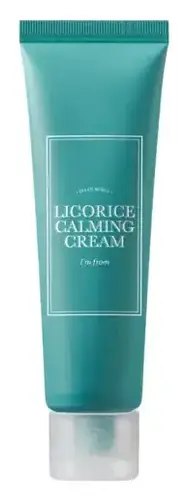
This calming moisturizer is formulated around Glycyrrhiza Uralensis Root Extract and Panthenol to calm redness and strengthen the skin barrier.


What's inside
What's inside
 Key Ingredients
Benefits
Concerns
No concerns
Ingredients Side-by-side
Water
Skin ConditioningPropanediol
Solvent

Glycerin
Humectant
Dimethicone
Emollient
Betaine
Humectant
Glycereth-26
Humectant
Zinc Hydrolyzed Hyaluronate
HumectantSodium PCA
Humectant
Glycyrrhiza Glabra Root Extract
Bleaching


Morinda Citrifolia Callus Culture Lysate
Skin ConditioningBeta-Glucan
Skin Conditioning
PCA
Humectant
Glutamic Acid
Humectant
Lysine Hcl
Skin Conditioning
Threonine
Arginine
Masking
Proline
Skin Conditioning
Serine
Masking
Alanine
Masking
Glycine
Buffering
Xylitol
Humectant
Sodium Polyacrylate
Absorbent
Carbomer
Emulsion StabilisingDimethicone/Vinyl Dimethicone Crosspolymer
Skin Conditioning
Hydrogenated Polydecene
EmollientSodium Lactate
Buffering
Trideceth-6
EmulsifyingPentylene Glycol
Skin Conditioning
Sodium Phytate
ChelatingCitric Acid
Buffering

Tocopherol
Antioxidant


Sodium Hydroxide
BufferingPhenoxyethanol
Preservative
Ethylhexylglycerin
Skin ConditioningWater, Propanediol, Glycerin, Dimethicone, Betaine, Glycereth-26, Zinc Hydrolyzed Hyaluronate, Sodium PCA, Glycyrrhiza Glabra Root Extract, Morinda Citrifolia Callus Culture Lysate, Beta-Glucan, PCA, Glutamic Acid, Lysine Hcl, Threonine, Arginine, Proline, Serine, Alanine, Glycine, Xylitol, Sodium Polyacrylate, Carbomer, Dimethicone/Vinyl Dimethicone Crosspolymer, Hydrogenated Polydecene, Sodium Lactate, Trideceth-6, Pentylene Glycol, Sodium Phytate, Citric Acid, Tocopherol, Sodium Hydroxide, Phenoxyethanol, Ethylhexylglycerin
Glycyrrhiza Uralensis Root Extract 58%
Skin Conditioning
Water
Skin ConditioningPropanediol
Solvent
Glycerin
Humectant
Phenyl Trimethicone
Skin Conditioning
Caprylic/Capric Triglyceride
Masking
1,2-Hexanediol
Skin Conditioning
Chlorella Vulgaris Extract
Skin ConditioningGlycyrrhiza Glabra Root Extract 0.05%
Bleaching
Cynanchum Atratum Extract
Skin ConditioningAlthaea Rosea Flower Extract
Skin ConditioningPentylene Glycol
Skin Conditioning
Panthenol
Skin Conditioning
Ammonium Acryloyldimethyltaurate/Vp Copolymer
Hydroxyethyl Acrylate/Sodium Acryloyldimethyl Taurate Copolymer
Emulsion StabilisingVinyldimethicone
Dimethicone/Vinyl Dimethicone Crosspolymer
Skin Conditioning
Acrylates/C10-30 Alkyl Acrylate Crosspolymer
Emulsion StabilisingGlucose
Humectant
Tromethamine
BufferingButylene Glycol
Humectant
Dimethiconol
Emollient
Dipotassium Glycyrrhizate
Humectant
Fructooligosaccharides
Humectant
Fructose
Humectant
Microcrystalline Cellulose
AbsorbentEthylhexylglycerin
Skin ConditioningGlyceryl Acrylate/Acrylic Acid Copolymer
HumectantHydrogenated Lecithin
Emulsifying
Sorbitan Isostearate
Emulsifying
Sodium Phytate
ChelatingCellulose Gum
Emulsion StabilisingSilica
Abrasive


Cetearyl Olivate
Ceramide NP
Skin Conditioning
Sorbitan Olivate
Emulsifying
Tocopherol
Antioxidant
Xanthan Gum
EmulsifyingGlycyrrhiza Uralensis Root Extract 58%, Water, Propanediol, Glycerin, Phenyl Trimethicone, Caprylic/Capric Triglyceride, 1,2-Hexanediol, Chlorella Vulgaris Extract, Glycyrrhiza Glabra Root Extract 0.05%, Cynanchum Atratum Extract, Althaea Rosea Flower Extract, Pentylene Glycol, Panthenol, Ammonium Acryloyldimethyltaurate/Vp Copolymer, Hydroxyethyl Acrylate/Sodium Acryloyldimethyl Taurate Copolymer, Vinyldimethicone, Dimethicone/Vinyl Dimethicone Crosspolymer, Acrylates/C10-30 Alkyl Acrylate Crosspolymer, Glucose, Tromethamine, Butylene Glycol, Dimethiconol, Dipotassium Glycyrrhizate, Fructooligosaccharides, Fructose, Microcrystalline Cellulose, Ethylhexylglycerin, Glyceryl Acrylate/Acrylic Acid Copolymer, Hydrogenated Lecithin, Sorbitan Isostearate, Sodium Phytate, Cellulose Gum, Silica, Cetearyl Olivate, Ceramide NP, Sorbitan Olivate, Tocopherol, Xanthan Gum
Reviews
Ingredients Explained
These ingredients are found in both products.
Ingredients higher up in an ingredient list are typically present in a larger amount.
This ingredient is a silicone elastomer that works as a texture enhancer, adds a silky slip, and also helps absorb excess oil.
Because it's a large macromolecule that's insoluble in water and chemically inert, it's not expected to penetrate or be absorbed into skin.
Human patch tests with a facial lotion containing 1% of this ingredient found no sensitization.
Learn more about Dimethicone/Vinyl Dimethicone CrosspolymerEthylhexylglycerin is created from glycerin. It is a multitasker ingredient that:
The CIR Expert Panel found minimal skin absorption or sensitization of any kind in a safety assessment. Though this ingredient is considered well-tolerated, a small number of cases of allergic dermatitis have been published since 2002. Just be sure to patch test if you are unsure.
Industry-reported use ranges from 8% in rinse-off products and 2% in leave-on formulations.
Learn more about EthylhexylglycerinGlycerin (or glycerol) is a compound naturally found in your skin. It's a powerhouse humectant that pulls water into the stratum corneum.
Topically, glycerin does several things at once:
Your skin makes glycerin on its own (mostly from sebaceous oil breakdown) and shuttles it to your outermost layer of skin, or your epidermis, via aquaporin-3.
Aquaporin-3 is a transporter that is essential for normal skin hydration, elasticity, and repair. Interestingly, mice lacking in AQP3 have dry and less elastic skin that can be fully corrected with glycerin.
This ingredient is non-irritating, plays well with almost every ingredient, and works across all skin types. Typical use is anywhere between 3-10% but can go up to 79% in some leave-on products.
Just know very high concentrations (>40%) can feel tacky in low humidity.
Glycerin is the name for this ingredient in American English. British English uses Glycerol/Glycerine.
Learn more about GlycerinGlycyrrhiza Glabra Root Extract is an extract of the roots of Licorice. It has been found to have several benefits such as skin hydrating, conditioning, and soothing.
One component, glabridin, has extra potent antioxidant and soothing properties. It has also been found to block pigmentation from UVB rays in guinea pigs.
Licorice Root also contains a flavonoid. Flavonoids are a natural substance from in plants. Flavonoids also have antioxidant properties.
Another component, glycyrrhizin, has been found to have anti-inflammatory and antimicrobial benefits. This may make licorice root extract effective at treating acne. However, more research is needed to support this.
Liquiritin is one of the flavone compounds found in licorice. It has been found to help lighten skin by preventing tyrosinase from reacting with tyrosine. When the two react, protein is converted to melanin. Melanin is the substance in your body that gives your features pigmentation.
Learn more about Glycyrrhiza Glabra Root ExtractPentylene Glycol (1,2-pentanediol) is a multitasking little diol with three main roles in a formula:
Research on alkanediols (the family pentylene glycol belongs to) show they work by disrupting microbial cell membranes. This disruption helps the primary preservative system in a product work more effectively at lower doses.
On the safety side, the Cosmetic Ingredient Review Expert Panel has concluded this ingredient to be safe as used in current cosmetic practices + concentrations.
Typical use levels in a formula run about 1-5%.
Learn more about Pentylene GlycolPropanediol is an all-star ingredient. It softens, hydrates, and smooths the skin.
It’s often used to:
Propanediol is not likely to cause sensitivity and considered safe to use. It is derived from corn or petroleum with a clear color and no scent.
Learn more about PropanediolSodium Phytate is the sodium salt of Phytic acid, a compound that plants store phosphorus in. It's the plant-derived alternative to ingredients like Disodium EDTA.
In skincare, this ingredient is a chelator that grabs onto trace metal ions like iron and copper that sneak into formulas through water/raw materials.
Those metals speed up oxidation so binding them keeps oils, fragrance, and actives from going off, stops color changes, and helps the preservative system work harder.
Survey data shows usage levels range from 0.0099%-0.5% in leave-on products, 0.025%-0.3% in rinse-off, and up to 0.05% in eye-area products. Suppliers typically recommend a range between 0.05-0.5%.
Learn more about Sodium PhytateTocopherol is a fat-soluble antioxidant known as Vitamin E.
You'll find this ingredient in the vast majority of skincare (for good reason). It works to neutralize free radicals, or unstable molecules generated by UV exposure, pollution, and other environmental stressors, before they can cause oxidative damage to your skin cells.
Topically applied tocopherol has been shown to protect against UV damage by ramping up the skin's own natural defense enzymes.
It also acts as a skin conditioning agent; some studies show that regular topical use can improve the skin's water-binding capacity over 2-4 weeks.
This ingredient is especially loved for being a team player. When combined with Vitamin C, the photoprotective effect of both ingredients roughly doubles and the combo also helps reduce UV-induced DNA damage.
This ingredient has some brightening potential but it's more of a prevention ingredient than spot-fader. Cell studies show it can slow down melanin production but it's worth noting that it's not the most powerful brightener out there.
In formulations, it also serves as a stabilizer that helps protect other oxidation-prone ingredients from degrading.
Concentrations usually range from 0.1-1% in most leave-on products.
Learn more about TocopherolWater. It's the most common cosmetic ingredient of all. You'll usually see it at the top of ingredient lists, meaning that it makes up the largest part of the product.
So why is it so popular? Water most often acts as a solvent - this means that it helps dissolve other ingredients into the formulation.
You'll also recognize water as that liquid we all need to stay alive. If you see this, drink a glass of water. Remember to stay hydrated!
Learn more about Water