

What's inside
What's inside
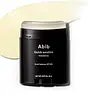 Key Ingredients
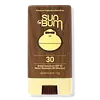
Benefits
Concerns
Ingredients Side-by-side
Homosalate 9.5%
Skin Conditioning

Octocrylene 5%
UV Absorber
Ethylhexyl Salicylate 4.5%
UV Absorber
Butyl Methoxydibenzoylmethane 3%
UV Absorber
Octyldodecanol
Emollient
Butylene Glycol Dicaprylate/Dicaprate
EmollientDibutyl Lauroyl Glutamide
Skin ConditioningDiisostearyl Malate
EmollientDibutyl Ethylhexanoyl Glutamide
Skin ConditioningButyloctyl Salicylate
Skin Conditioning
C12-15 Alkyl Benzoate
AntimicrobialDextrin Palmitate
Emulsifying
Water
Skin ConditioningSodium Hyaluronate
Humectant


Squalane
Emollient
Calophyllum Inophyllum Seed Oil
Antimicrobial


Argania Spinosa Kernel Oil
Emollient
Olea Europaea Fruit Oil
Masking
Glycerin
Humectant

Aloe Barbadensis Leaf Extract
Emollient
Hydrolyzed Vegetable Protein
Skin ConditioningMaltodextrin
Absorbent
Butylene Glycol
Humectant
Propanediol
Solvent
Caprylic/Capric Triglyceride
Masking
1,2-Hexanediol
Skin Conditioning
Camellia Sinensis Leaf Extract
Antimicrobial

Hydrogenated Lecithin
Emulsifying
Centella Asiatica Extract
Cleansing
Candida Bombicola/Glucose/Methyl Rapeseedate Ferment
AntimicrobialCeramide NP
Skin Conditioning
Caprylyl Glycol
Emollient
Tocopherol
Antioxidant
Acetyl Hexapeptide-8
Humectant
Copper Tripeptide-1
Skin Conditioning
Homosalate 9.5%, Octocrylene 5%, Ethylhexyl Salicylate 4.5%, Butyl Methoxydibenzoylmethane 3%, Octyldodecanol, Butylene Glycol Dicaprylate/Dicaprate, Dibutyl Lauroyl Glutamide, Diisostearyl Malate, Dibutyl Ethylhexanoyl Glutamide, Butyloctyl Salicylate, C12-15 Alkyl Benzoate, Dextrin Palmitate, Water, Sodium Hyaluronate, Squalane, Calophyllum Inophyllum Seed Oil, Argania Spinosa Kernel Oil, Olea Europaea Fruit Oil, Glycerin, Aloe Barbadensis Leaf Extract, Hydrolyzed Vegetable Protein, Maltodextrin, Butylene Glycol, Propanediol, Caprylic/Capric Triglyceride, 1,2-Hexanediol, Camellia Sinensis Leaf Extract, Hydrogenated Lecithin, Centella Asiatica Extract, Candida Bombicola/Glucose/Methyl Rapeseedate Ferment, Ceramide NP, Caprylyl Glycol, Tocopherol, Acetyl Hexapeptide-8, Copper Tripeptide-1
Butyl Methoxydibenzoylmethane 3%
UV Absorber
Homosalate 10%
Skin Conditioning
Ethylhexyl Salicylate 5%
UV Absorber
Octocrylene 10%
UV Absorber
Synthetic Wax
Abrasive

Ethylhexyl Palmitate
Emollient
Ozokerite
Emulsion StabilisingEuphorbia Cerifera Wax
Beeswax
Emulsion Stabilising
Butyloctyl Salicylate
Skin Conditioning
Parfum
Masking
Polyethylene
Abrasive
Polyester-8
Skin Conditioning
Cetyl Alcohol
Emollient
Tocopheryl Acetate
Antioxidant
Ascorbyl Palmitate
Antioxidant
Reviews
Ingredients Explained
These ingredients are found in both products.
Ingredients higher up in an ingredient list are typically present in a larger amount.
Also known as Avobenzone, this ingredient is a chemical sunscreen filter that provides protection in the UV-A range.
Avobenzone is globally approved and is the most commonly used UV-A filter in the world.
Studies have found that avobenzone becomes ineffective when exposed to UV light (it is not photostable; meaning that it breaks down in sunlight). Because of this, formulations that include avobenzone will usually contain stabilizers such as octocrylene.
However, some modern formulations (looking at you, EU!) are able to stabilize avobenzone by coating the molecules.
Avobenzone does not protect against the UV-B range, so it's important to check that the sunscreen you're using contains other UV filters that do!
The highest concentration of avobenzone permitted is 3% in the US, and 5% in the EU.
Learn more about Butyl MethoxydibenzoylmethaneButyloctyl Salicylate is a chemical UV filter structurally similar to octisalate. It is a photostabilizer, SPF booster, emollient and solvent. This ingredient helps evenly spread out ingredients.
According to a manufacturer, it is suitable for pairing with micro Titanium Dioxide, Zinc Oxide, and pigments.
Photostabilizers help stabilize UV-filters and prevents them from degrading quickly.
Learn more about Butyloctyl SalicylateEthylhexyl Salicylate is an organic compound used to block UV rays. It primarily absorbs UVB rays but offers a small amount of UVA protection as well.
Commonly found in sunscreens, Ethylhexyl Salicylate is created from salicylic acid and 2-ethylhexanol. You might know salicylic acid as the effective acne fighter ingredient and BHA.
The ethylhexanol in this ingredient is a fatty alcohol and helps hydrate your skin, similar to oils. It is an emollient, which means it traps moisture into the skin.
According to manufacturers, Ethylhexyl Salicylate absorbs UV wavelength of 295-315 nm, with a peak absorption at 307-310 nm. UVA rays are linked to long term skin damage, such as hyperpigmentation. UVB rays emit more energy and are capable of damaging our DNA. UVB rays cause sunburn.
Learn more about Ethylhexyl SalicylateHomosalate is a chemical sunscreen filter that provides protection in the UV-B range (280nm - 320 nm), with a peak protection at 306 nm. It is internationally approved for use in sunscreens.
Homosalate is not photo-stable, meaning it's strength as a UV filter degrades over time with exposure to the sun. Because of this, it's often used in combination with other chemical sunscreen filters as avobenzone (which protects from the UV-A range). Homosalate also helps act as a solvent for harder-to-dissolve UV filters.
(Part of the reason that sunscreens need to be frequently re-applied is due to the photo instability of many chemical sunscreen filters)
Currently, homosalate is approved in concentrations up to 10% in the EU and 15% in the US. The FDA is currently doing further research on the effects of homosalate, and it is possible that these approved concentrations will change in the future.
Learn more about HomosalateOctocrylene protects skin from sun damage. It absorbs UV-B with peak absorption of 304 nm. It is a common sunscreen ingredient and often paired with avobenzone, a UVA filter. This is because octocrylene stabilizes other sunscreen ingredients by protecting them from degradation when exposed to sunlight. Octocrylene is a photostable ingredient and loses about 10% of SPF in 95 minutes.
Octocrylene also acts as an emollient, meaning it helps skin retain moisture and softens skin. It is oil-soluble and hydrophobic, enhancing water-resistant properties in a product.
Those who are using ketoprofen, a topical anti-inflammatory drug, may experience an allergic reaction when using octocrylene. It is best to speak with a healthcare professional about using sunscreens with octocrylene.
The EU allows a maximum of these concentrations:
Learn more about Octocrylene
