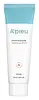
This calming moisturizer is formulated around Niacinamide and Panthenol to calm redness and strengthen the skin barrier.
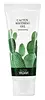
This calming moisturizer is formulated around Opuntia Ficus-Indica Stem Extract and Dipotassium Glycyrrhizate to calm redness and hydrate skin.

What's inside
What's inside
 Key Ingredients
Benefits
Concerns
No concerns
Ingredients Side-by-side
Water
Skin ConditioningButylene Glycol
Humectant

Caprylyl Methicone
Skin Conditioning
Niacinamide
Smoothing










Silica
Abrasive
Vinyldimethicone
1,2-Hexanediol
Skin Conditioning
Panthenol
Skin Conditioning
Glycerin
Humectant
Pentylene Glycol
Skin Conditioning
Diglycerin
Humectant
Dicaprylyl Carbonate
EmollientCaprylic/Capric Triglyceride
Masking
Diphenylsiloxy Phenyl Trimethicone
Skin Conditioning
Sodium Polyacryloyldimethyl Taurate
Emulsion StabilisingC14-22 Alcohols
Emulsion Stabilising
Gluconolactone
Chelating
Hydroxyethyl Acrylate/Sodium Acryloyldimethyl Taurate Copolymer
Emulsion StabilisingCarbomer
Emulsion StabilisingCetearyl Olivate


C12-16 Alcohols
EmollientTromethamine
BufferingSorbitan Olivate
Emulsifying
Vinyl Dimethicone/Methicone Silsesquioxane Crosspolymer
Palmitic Acid
Emollient


C12-20 Alkyl Glucoside
EmulsifyingHydrogenated Lecithin
Emulsifying
Ethylhexylglycerin
Skin ConditioningMadecassoside
Antioxidant
Dipotassium Glycyrrhizate
Humectant
Glyceryl Acrylate/Acrylic Acid Copolymer
HumectantAdenosine
Skin Conditioning
Centella Asiatica Leaf Extract
Skin Conditioning
Sodium Phytate
ChelatingLactobacillus Ferment Lysate
Skin Conditioning
Xanthan Gum
EmulsifyingTocopherol
Antioxidant
Candida Bombicola/Glucose/Methyl Rapeseedate Ferment
AntimicrobialAsiaticoside
Antioxidant
Madecassic Acid
Skin Conditioning
Dipropylene Glycol
HumectantAsiatic Acid
Skin Conditioning
Helianthus Annuus Seed Oil
Emollient
Yeast Ferment Extract
Skin ConditioningWater, Butylene Glycol, Caprylyl Methicone, Niacinamide, Silica, Vinyldimethicone, 1,2-Hexanediol, Panthenol, Glycerin, Pentylene Glycol, Diglycerin, Dicaprylyl Carbonate, Caprylic/Capric Triglyceride, Diphenylsiloxy Phenyl Trimethicone, Sodium Polyacryloyldimethyl Taurate, C14-22 Alcohols, Gluconolactone, Hydroxyethyl Acrylate/Sodium Acryloyldimethyl Taurate Copolymer, Carbomer, Cetearyl Olivate, C12-16 Alcohols, Tromethamine, Sorbitan Olivate, Vinyl Dimethicone/Methicone Silsesquioxane Crosspolymer, Palmitic Acid, C12-20 Alkyl Glucoside, Hydrogenated Lecithin, Ethylhexylglycerin, Madecassoside, Dipotassium Glycyrrhizate, Glyceryl Acrylate/Acrylic Acid Copolymer, Adenosine, Centella Asiatica Leaf Extract, Sodium Phytate, Lactobacillus Ferment Lysate, Xanthan Gum, Tocopherol, Candida Bombicola/Glucose/Methyl Rapeseedate Ferment, Asiaticoside, Madecassic Acid, Dipropylene Glycol, Asiatic Acid, Helianthus Annuus Seed Oil, Yeast Ferment Extract
Reviews
Ingredients Explained
These ingredients are found in both products.
Ingredients higher up in an ingredient list are typically present in a larger amount.
1,2-Hexanediol is a synthetic liquid and another multi-functional powerhouse.
It is a:
- Humectant, drawing moisture into the skin
- Emollient, helping to soften skin
- Solvent, dispersing and stabilizing formulas
- Preservative booster, enhancing the antimicrobial activity of other preservatives
Butylene Glycol (or BG) is used within cosmetic products for a few different reasons:
Overall, Butylene Glycol is a safe and well-rounded ingredient that works well with other ingredients.
Though this ingredient works well with most skin types, some people with sensitive skin may experience a reaction such as allergic rashes, closed comedones, or itchiness.
Learn more about Butylene GlycolCarbomer is a synthetic thickening and gelling agent. It's basically the ingredient that gives a lot of serums, gels, creams, and sunscreens their smooth, non-sticky texture.
Although legally permitted at very high levels, carbomers are normally used at concentrations below 1%.
It also needs to be neutralized to actually thicken, and because it is a large molecule, it doesn't really penetrate the skin barrier.
Allergy-wise, the risk is very low. Clinical studies show carbomers have low potential for skin irritation/sensitization even at concentrations up to 100%.
A 2024 UK study patch-tested 1,302 patients and found true allergy to the parent group of carbomer to be rare with no confirmed relevant reactions.
Learn more about CarbomerDipotassium Glycyrrhizate comes from licorice root.
Extracts of licorice have demonstrated to have antibacterial, anti‐inflammatory, antiviral, antioxidant properties.
One component, glabridin, has extra potent antioxidant and soothing properties. It has also been found to block pigmentation from UVB rays in guinea pigs.
Licorice Root also contains a flavonoid. Flavonoids are a natural substance from in plants. Flavonoids also have antioxidant properties.
Another component, glycyrrhizin, has been found to have anti-inflammatory and antimicrobial benefits. This may make licorice root extract effective at treating acne. However, more research is needed to support this.
Liquiritin is one of the flavone compounds found in licorice. It has been found to help lighten skin by preventing tyrosinase from reacting with tyrosine. When the two react, protein is converted to melanin. Melanin is the substance in your body that gives your features pigmentation.
Licorice root is native to Southern Europe and Asia. It has been used in traditional Chinese medicine to help with respiratory issues.
Learn more about Dipotassium GlycyrrhizateDipropylene Glycol is a synthetically created humectant, stabilizer, and solvent.
This ingredient helps:
Dipropylene glycol is technically an alcohol, but it belongs to the glycol family (often considered part of the ‘good’ alcohols). This means it is hydrating and gentle on skin unlike drying solvent alcohols like denatured alcohol.
As a masking agent, Dipropylene Glycol can be used to cover the smell of other ingredients. However, it does not have a scent.
Studies show Dipropylene Glycol is considered safe to use in skincare.
Learn more about Dipropylene GlycolGlycerin (or glycerol) is a compound naturally found in your skin. It's a powerhouse humectant that pulls water into the stratum corneum.
Topically, glycerin does several things at once:
Your skin makes glycerin on its own (mostly from sebaceous oil breakdown) and shuttles it to your outermost layer of skin, or your epidermis, via aquaporin-3.
Aquaporin-3 is a transporter that is essential for normal skin hydration, elasticity, and repair. Interestingly, mice lacking in AQP3 have dry and less elastic skin that can be fully corrected with glycerin.
This ingredient is non-irritating, plays well with almost every ingredient, and works across all skin types. Typical use is anywhere between 3-10% but can go up to 79% in some leave-on products.
Just know very high concentrations (>40%) can feel tacky in low humidity.
Glycerin is the name for this ingredient in American English. British English uses Glycerol/Glycerine.
Learn more about GlycerinPanthenol is a common ingredient that helps hydrate and soothe the skin. It is found naturally in our skin and hair.
There are two forms of panthenol: D and L.
D-panthenol is also known as dexpanthenol. Most cosmetics use dexpanthenol or a mixture of D and L-panthenol.
Panthenol is famous due to its ability to go deeper into the skin's layers. Using this ingredient has numerous pros (and no cons):
Like hyaluronic acid, panthenol is a humectant. Humectants are able to bind and hold large amounts of water to keep skin hydrated.
This ingredient works well for wound healing. It works by increasing tissue in the wound and helps close open wounds.
Once oxidized, panthenol converts to pantothenic acid. Panthothenic acid is found in all living cells.
This ingredient is also referred to as pro-vitamin B5.
Learn more about Panthenol


