This barrier-repair night moisturizer is formulated around Centella Asiatica Extract and Hyaluronic Acid to strengthen the skin barrier and calm redness.

What's inside
What's inside
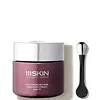 Key Ingredients
Benefits
Concerns
Ingredients Side-by-side
Water
Skin ConditioningIsopropyl Myristate
Emollient





Caprylic/Capric Triglyceride
Masking


Glyceryl Stearate Se
Emulsifying
Hydrogenated Palm Oil
Emollient
PEG-40 Hydrogenated Castor Oil
Emulsifying
Benzyl Alcohol
Perfuming




Stearic Acid
Cleansing
PEG-7 Hydrogenated Castor Oil
Emulsifying
Carbomer
Emulsion StabilisingTriethanolamine
BufferingLecithin
Emollient
Centella Asiatica Extract
Cleansing




Hyaluronic Acid
Humectant
Acetyl Cysteine
Antioxidant
Aesculus Hippocastanum Extract
Antioxidant
Sodium Ascorbyl Phosphate
Antioxidant


Olea Europaea Fruit Oil
Masking
Oryza Sativa Bran Oil
Emollient
Polysorbate 20
Emulsifying
Retinyl Palmitate
Skin Conditioning

Tocopherol
Antioxidant
Linoleic Acid
Cleansing
Xanthan Gum
EmulsifyingParfum
Masking
Water, Isopropyl Myristate, Caprylic/Capric Triglyceride, Glyceryl Stearate Se, Hydrogenated Palm Oil, PEG-40 Hydrogenated Castor Oil, Benzyl Alcohol, Stearic Acid, PEG-7 Hydrogenated Castor Oil, Carbomer, Triethanolamine, Lecithin, Centella Asiatica Extract, Hyaluronic Acid, Acetyl Cysteine, Aesculus Hippocastanum Extract, Sodium Ascorbyl Phosphate, Olea Europaea Fruit Oil, Oryza Sativa Bran Oil, Polysorbate 20, Retinyl Palmitate, Tocopherol, Linoleic Acid, Xanthan Gum, Parfum
Water
Skin ConditioningGlycerin
Humectant
Maris Aqua
HumectantSodium Acrylates Copolymer
1,2-Hexanediol
Skin Conditioning
Cellulose
Absorbent
Microcrystalline Cellulose
AbsorbentPropanediol
Solvent
Glyceryl Glucoside
Humectant
Ethylhexyl Polyhydroxystearate
EmollientOryza Sativa Bran Oil
Emollient
Squalane
Emollient
Lecithin
Emollient
Sodium Phytate
ChelatingCitric Acid
Buffering
Sodium Hyaluronate
Humectant
O-Cymen-5-Ol
Antimicrobial
Hydrolyzed Rice Protein
Skin ConditioningMaltodextrin
Absorbent
Sodium Citrate
BufferingSodium Hydroxide
BufferingHydrolyzed Adansonia Digitata Extract
EmollientPorphyridium Cruentum Extract
Skin ConditioningPhragmites Communis Extract
Skin ConditioningPoria Cocos Extract
Skin ConditioningBackhousia Citriodora Leaf Extract
AstringentSodium Benzoate
Masking
Aloe Barbadensis Leaf Juice Powder
Skin Conditioning
Camellia Sinensis Leaf Extract
Antimicrobial
Hydrogenated Lecithin
Emulsifying
Tocopheryl Acetate
Antioxidant
Xanthan Gum
EmulsifyingAlanyl Glutamine
HumectantArginine
Masking
Oligopeptide-177

Phenylalanine
Masking
Potassium Sorbate
Preservative
Sisymbrium Irio Seed Oil
Masking
Sodium Chloride
MaskingEpigallocatechin Gallatyl Glucoside
Antioxidant
Water, Glycerin, Maris Aqua, Sodium Acrylates Copolymer, 1,2-Hexanediol, Cellulose, Microcrystalline Cellulose, Propanediol, Glyceryl Glucoside, Ethylhexyl Polyhydroxystearate, Oryza Sativa Bran Oil, Squalane, Lecithin, Sodium Phytate, Citric Acid, Sodium Hyaluronate, O-Cymen-5-Ol, Hydrolyzed Rice Protein, Maltodextrin, Sodium Citrate, Sodium Hydroxide, Hydrolyzed Adansonia Digitata Extract, Porphyridium Cruentum Extract, Phragmites Communis Extract, Poria Cocos Extract, Backhousia Citriodora Leaf Extract, Sodium Benzoate, Aloe Barbadensis Leaf Juice Powder, Camellia Sinensis Leaf Extract, Hydrogenated Lecithin, Tocopheryl Acetate, Xanthan Gum, Alanyl Glutamine, Arginine, Oligopeptide-177, Phenylalanine, Potassium Sorbate, Sisymbrium Irio Seed Oil, Sodium Chloride, Epigallocatechin Gallatyl Glucoside
Ingredients Explained
These ingredients are found in both products.
Ingredients higher up in an ingredient list are typically present in a larger amount.
Lecithin is a term for a group of substances found in the cell membranes of plants, animals, and humans. They are made up of phospholipids.
Thanks to its amphiphilic structure (water-loving head and oil-loving tail), it is a true multitasker:
It plays well with most ingredients and is typically used at 0.1-1%. However, concentrations up to 50% have been reported in moisturizers.
Learn more about LecithinThis oil comes from the outer layer (bran) of rice grains. It is packed with skin-friendly fatty acids to soften and condition the skin while supporting your moisture barrier.
What makes it stand out from other plant oils is its naturally high concentration of gamma-oryzanol, a potent antioxidant. This antioxidant has shown some UV-absorptive properties in research.
Other antioxidants found in this oil include tocopherols, tocotrienols, and ferulic acid.
According to manufacturers, this oil has a lightweight texture that absorbs nicely.
The CIR (Cosmetic Ingredient Review) has concluded this ingredient to be safe as used in cosmetics and it has not shown to be a skin sensitizer in testing (unless you have a known rice allergy).
Due to the fatty acids (primarily Oleic Acid ~40%, Linoleic Acid ~30%, and some Palmitic Acid), this ingredient may not be fungal acne safe.
Learn more about Oryza Sativa Bran OilWater. It's the most common cosmetic ingredient of all. You'll usually see it at the top of ingredient lists, meaning that it makes up the largest part of the product.
So why is it so popular? Water most often acts as a solvent - this means that it helps dissolve other ingredients into the formulation.
You'll also recognize water as that liquid we all need to stay alive. If you see this, drink a glass of water. Remember to stay hydrated!
Learn more about WaterXanthan gum is used as a stabilizer and thickener within cosmetic products. It helps give products a sticky, thick feeling - preventing them from being too runny.
On the technical side of things, xanthan gum is a polysaccharide - a combination consisting of multiple sugar molecules bonded together.
Xanthan gum is a pretty common and great ingredient. It is a natural, non-toxic, non-irritating ingredient that is also commonly used in food products.
Learn more about Xanthan Gum


