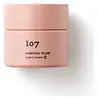
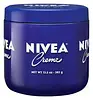
107 Everyday Plump Hydro Cream Versus Nivea Crème
This barrier-repair moisturizer is formulated around Squalane and Panthenol to strengthen the skin barrier and hydrate skin.
This barrier-repair moisturizer is formulated around Petrolatum and Panthenol to strengthen the skin barrier and hydrate skin.


What's inside
What's inside
 Key Ingredients
No key ingredients
Benefits
Concerns
Ingredients Side-by-side
Water
Skin ConditioningButylene Glycol
Humectant

Glycerin
Humectant
Cyclopentasiloxane
Emollient
Helianthus Annuus Seed Oil
Emollient


Squalane
Emollient
Bacillus/Corchorus Olitorius Leaf Ferment Filtrate
Skin ConditioningPEG/PPG-18/4 Copolymer
SolventIsostearyl Isostearate
Emollient


1,2-Hexanediol
Skin Conditioning
Cetyl Alcohol
Emollient

Aluminum Starch Octenylsuccinate
Absorbent
Cyclohexasiloxane
Emollient
Polysorbate 60
Emulsifying
Dimethiconol
Emollient
Glyceryl Stearate
Emollient
PEG-100 Stearate
Surfactant
Sorbitan Stearate
Emulsifying
Lactobacillus/Soymilk Ferment Filtrate
Skin ConditioningLactobacillus/Punica Granatum Fruit Ferment Extract
Antioxidant

Arginine
Masking
Acrylates/C10-30 Alkyl Acrylate Crosspolymer
Emulsion StabilisingLactobacillus
Skin ConditioningSimmondsia Chinensis Seed Oil
Emollient
Panthenol
Skin Conditioning

Trehalose
Humectant
Allantoin
Skin Conditioning
Sodium Hyaluronate
Humectant
Polyglutamic Acid
Skin Conditioning
Pyrus Communis Fruit Extract
Skin ConditioningBeta-Glucan
Skin Conditioning
Rosa Damascena Flower Water
Masking
Prunus Persica Fruit Extract
Abrasive
Hedera Helix Leaf/Stem Extract
AntimicrobialPimpinella Anisum Fruit Extract
MaskingVanilla Planifolia Fruit Extract
Skin Conditioning
Vinegar
Cucumis Melo Fruit Extract
Skin ConditioningPhenoxyethanol 0.52%
Preservative
Water, Butylene Glycol, Glycerin, Cyclopentasiloxane, Helianthus Annuus Seed Oil, Squalane, Bacillus/Corchorus Olitorius Leaf Ferment Filtrate, PEG/PPG-18/4 Copolymer, Isostearyl Isostearate, 1,2-Hexanediol, Cetyl Alcohol, Aluminum Starch Octenylsuccinate, Cyclohexasiloxane, Polysorbate 60, Dimethiconol, Glyceryl Stearate, PEG-100 Stearate, Sorbitan Stearate, Lactobacillus/Soymilk Ferment Filtrate, Lactobacillus/Punica Granatum Fruit Ferment Extract, Arginine, Acrylates/C10-30 Alkyl Acrylate Crosspolymer, Lactobacillus, Simmondsia Chinensis Seed Oil, Panthenol, Trehalose, Allantoin, Sodium Hyaluronate, Polyglutamic Acid, Pyrus Communis Fruit Extract, Beta-Glucan, Rosa Damascena Flower Water, Prunus Persica Fruit Extract, Hedera Helix Leaf/Stem Extract, Pimpinella Anisum Fruit Extract, Vanilla Planifolia Fruit Extract, Vinegar, Cucumis Melo Fruit Extract, Phenoxyethanol 0.52%
Water
Skin ConditioningParaffinum Liquidum
Emollient
Petrolatum
Emollient
Glycerin
Humectant
Microcrystalline Wax
Emulsion StabilisingLanolin Alcohol
Emollient
Paraffin
Skin Conditioning
Magnesium Sulfate
Decyl Oleate
Emollient
Octyldodecanol
Emollient
Aluminum Stearates
EmollientParfum
Masking

Panthenol
Skin Conditioning
Citric Acid
Buffering

Magnesium Stearate
Cosmetic ColorantSodium Anisate
Antimicrobial
Reviews
Ingredients Explained
These ingredients are found in both products.
Ingredients higher up in an ingredient list are typically present in a larger amount.
Glycerin (or glycerol) is a compound naturally found in your skin. It's a powerhouse humectant that pulls water into the stratum corneum.
Topically, glycerin does several things at once:
Your skin makes glycerin on its own (mostly from sebaceous oil breakdown) and shuttles it to your outermost layer of skin, or your epidermis, via aquaporin-3.
Aquaporin-3 is a transporter that is essential for normal skin hydration, elasticity, and repair. Interestingly, mice lacking in AQP3 have dry and less elastic skin that can be fully corrected with glycerin.
This ingredient is non-irritating, plays well with almost every ingredient, and works across all skin types. Typical use is anywhere between 3-10% but can go up to 79% in some leave-on products.
Just know very high concentrations (>40%) can feel tacky in low humidity.
Glycerin is the name for this ingredient in American English. British English uses Glycerol/Glycerine.
Learn more about GlycerinPanthenol is a common ingredient that helps hydrate and soothe the skin. It is found naturally in our skin and hair.
There are two forms of panthenol: D and L.
D-panthenol is also known as dexpanthenol. Most cosmetics use dexpanthenol or a mixture of D and L-panthenol.
Panthenol is famous due to its ability to go deeper into the skin's layers. Using this ingredient has numerous pros (and no cons):
Like hyaluronic acid, panthenol is a humectant. Humectants are able to bind and hold large amounts of water to keep skin hydrated.
This ingredient works well for wound healing. It works by increasing tissue in the wound and helps close open wounds.
Once oxidized, panthenol converts to pantothenic acid. Panthothenic acid is found in all living cells.
This ingredient is also referred to as pro-vitamin B5.
Learn more about PanthenolWater. It's the most common cosmetic ingredient of all. You'll usually see it at the top of ingredient lists, meaning that it makes up the largest part of the product.
So why is it so popular? Water most often acts as a solvent - this means that it helps dissolve other ingredients into the formulation.
You'll also recognize water as that liquid we all need to stay alive. If you see this, drink a glass of water. Remember to stay hydrated!
Learn more about Water

