Aiken Prebiotic Micro Emulsion Oil Cleanser
A makeup remover with 38 ingredients, including vitamin E and hyaluronic acid.
This oil-based makeup remover is made to dissolve makeup, sunscreen, and daily buildup.
We independently verify ingredients, backed by peer-reviewed research. Suggest an update.
What's inside
Ingredients List
Ethylhexyl Palmitate
Emollient




PEG-20 Glyceryl Triisostearate
Emollient
Caprylyl Methicone
Skin Conditioning
PEG/PPG/Polybutylene Glycol-8/5/3 Glycerin
HumectantTriethylhexanoin
MaskingOlea Europaea Fruit Oil
Masking


Alpha-Glucan Oligosaccharide
Cleansing
Polymnia Sonchifolia Root Juice
Skin ConditioningLactobacillus
Skin ConditioningAspergillus Ferment
Skin ConditioningGalactomyces Ferment Filtrate
Humectant




Saccharomyces/Xylinum/Black Tea Ferment
Skin Conditioning
Lactobacillus/Panax Ginseng Root Extract Ferment Filtrate
Skin ConditioningPseudoalteromonas Ferment Extract
Humectant
Aphanothece Sacrum Exopolysaccharides
AbsorbentSodium Hyaluronate
Humectant
Hyaluronic Acid
Humectant
Hydrolyzed Hyaluronic Acid
Humectant
Hydrolyzed Sodium Hyaluronate
Skin Conditioning
Hydroxypropyltrimonium Hyaluronate
Potassium Hyaluronate
Skin ConditioningSodium Acetylated Hyaluronate
Humectant
Sodium Hyaluronate Crosspolymer
Humectant
Phytosteryl/Octyldodecyl Lauroyl Glutamate
Skin ConditioningWater
Skin ConditioningTocopheryl Acetate
Antioxidant


Butylene Glycol
Humectant
Glycerin
Humectant
Tocopherol
Antioxidant
Maltodextrin
Absorbent
1,2-Hexanediol
Skin Conditioning
Hydroxyethylcellulose
Emulsion StabilisingXanthan Gum
EmulsifyingCaprylyl Glycol
Emollient
Citric Acid
Buffering
Chondrus Crispus Extract
Skin Conditioning
Glucose
Humectant
Sodium Salicylate
Preservative

Ethylhexyl Palmitate, PEG-20 Glyceryl Triisostearate, Caprylyl Methicone, PEG/PPG/Polybutylene Glycol-8/5/3 Glycerin, Triethylhexanoin, Olea Europaea Fruit Oil, Alpha-Glucan Oligosaccharide, Polymnia Sonchifolia Root Juice, Lactobacillus, Aspergillus Ferment, Galactomyces Ferment Filtrate, Saccharomyces/Xylinum/Black Tea Ferment, Lactobacillus/Panax Ginseng Root Extract Ferment Filtrate, Pseudoalteromonas Ferment Extract, Aphanothece Sacrum Exopolysaccharides, Sodium Hyaluronate, Hyaluronic Acid, Hydrolyzed Hyaluronic Acid, Hydrolyzed Sodium Hyaluronate, Hydroxypropyltrimonium Hyaluronate, Potassium Hyaluronate, Sodium Acetylated Hyaluronate, Sodium Hyaluronate Crosspolymer, Phytosteryl/Octyldodecyl Lauroyl Glutamate, Water, Tocopheryl Acetate, Butylene Glycol, Glycerin, Tocopherol, Maltodextrin, 1,2-Hexanediol, Hydroxyethylcellulose, Xanthan Gum, Caprylyl Glycol, Citric Acid, Chondrus Crispus Extract, Glucose, Sodium Salicylate
Key Ingredients
Benefits
Concerns
Ingredients Explained
Ethylhexyl Palmitate, also known as octyl palmitate, is created from 2-ethylhexyl alcohol and palmitic acid.
In cosmetics, it plays many roles:
One thing worth noting: a controlled study found this ingredient applied under occlusion to acne-prone subjects increased microcomedones. Just keep in mind this was under occlusive conditions and don't reflect how most products are used day-to-day.
For most people, this is a well-tolerated and lightweight ingredient.
This ingredient may not be fungal acne safe because it is an ester of palmitic acid, a C16 fatty acid that falls within the C11-24 range that Malassezia can metabolize.
You'll see this one rated 4 comedogenic all over the internet. That number isn't from a single study, and the actual research is more interesting.
The original rating comes from 1980s rabbit ear tests (which are a shaky basis for anything). But Ethylhexyl Palmitate is one of the few ingredients with real human data behind it. A 2021 controlled trial found this ingredient increased microcomedones by an average of 365% over four weeks.
Just know that test used the pure ingredient under an occlusive pad on back skin; most products use it at much lower levels alongside other ingredients and plenty of people use those with no issue.
Learn more about Ethylhexyl PalmitatePEG-20 Glyceryl Triisostearate is a synthetic, oil-loving helper ingredient that does two jobs:
This ingredient is made by joining three building blocks: PEG, Isostearic Acid and glycerin. The PEG gives it the oil-and-water blending power.
This ingredient has been found safe for use in cosmetics and broader PEG family testing shows minimal irritation/sensitization. The molecule's large size also means it isn't expected to penetrate skin to any meaningful degree.
Fungal acne note: This ingredient may not be fungal acne safe due to isostearic acid (C18). Isostearic acid falls into the C11-24 range that Malassezia can feed on.
Learn more about PEG-20 Glyceryl TriisostearateCaprylyl Methicone is a synthetic and lightweight silicone fluid. It gives products a silky, dry-touch finish without the heaviness of pure oils.
Though the EU CosIng Database lists this ingredient as a skin conditioner, it is also used for sensory reasons. It spreads easily, cuts greasiness, and reduces tackiness.
This ingredient is volatile which means it will mostly evaporate (but it evaporates slower than older cyclomethicones, like Cyclotetrasiloxane).
Typical concentration ranges from 1-30% depending on if it's being used to tweak the feel of a product or acting as the main emollient.
Learn more about Caprylyl MethiconeThis ingredient is a water-soluble emollient and is derived from glycerin. It also has surfactant properties and can help dissolve oils or actives in water-based products.
According to the manufacturer, this ingredient:
- Moisturizes without stickiness or greasiness.
- Improves the penetration of water-based ingredients while reducing penetration of oil-based ones to help balance delivery in formulations
Triethylhexanoin is created from glycerin and 2-ethylhexanoic acid. It is a solvent and emollient.
As a solvent, Triethylhexanoin helps dissolve ingredients to stable bases or help evenly distribute ingredients throughout the product.
It is also an emollient and helps condition the skin.
Learn more about TriethylhexanoinThis ingredient is also known as olive oil. It has been used in skincare for centuries and science largely backs up its reputation as a nourishing emollient.
The main components of olive oil are oleic acid (55-83%), linoleic acid (3.5-20%), and palmitic acid (7-20%). Oleic acid promotes skin regeneration and helps regulate inflammatory responses.
Squalene is also naturally present in olive oil and exhibits moisturizing and antioxidant properties.
The polyphenols in olive oil also show anti-aging promise; one clinical study found a measurable improvement in skin appearance after 30 days of topical serum use.
Just be aware that applying olive oil directly to skin can weaken the barrier and cause redness. One study with volunteers found even people without sensitive skin experienced a significant reduction in stratum corneum integrity and induced mild erythema.
It's best to use this ingredient as part of a carefully crafted formula (instead of putting it on skin directly from the bottle).
Because it has a 0-2 on the comedogenic scale, it is low risk for acne-prone skin. Just remember the overall formulation of a product matters more than a few ingredients with comedogenic ratings.
This ingredient may not be fungal acne safe because of the oleic and palmitic acid content. These fall within the C11-24 fatty acid range that the Malassezia yeast can metabolize to grow.
Overall, olive oil is a well-studied and nourishing skincare ingredient.
Learn more about Olea Europaea Fruit OilAlpha-Glucan Oligosaccharide is a prebiotic. It prevents harmful bacteria from growing on skin by keeping the skin's microbiome in balance.
Another benefit of this ingredient is its antioxidant properties. Antioxidants protect our skin from oxidative damage.
Polymnia Sonchifolia Root Juice comes from the roots of the Yacon plant native to South America. It is a skin conditioning ingredient that helps keep skin feeling soft and hydrated.
Yacon roots are naturally loaded with fructooligosaccharides (FOS), a type of prebiotic sugar. Prebiotics like FOS help feed the "good" bacteria on your skin to support a healthy and balanced environment.
This root juice also contains antioxidant compounds (like chlorogenic acid and caffeic acid).
Just so you know, Yacon belongs to the daisy family so be sure to patch test if you have a known allergy to plants in that family.
Learn more about Polymnia Sonchifolia Root JuiceLactobacillus is the INCI name for the live, whole lactic bacteria culture itself and is classified as a skin conditioning agent.
It is the same genus of probiotic that you can find in yogurt or fermented foods and it shows up at low levels naturally on human skin.
This ingredient is more of a microbiome agent rather than an active; it helps rebalance the skin's microbial community.
The bacteria and their metabolites produce lactic acid and other antimicrobial compounds that crowd out the "bad bacteria". Research on Lactobacillus strains shows activity against pathogens and acne-causing bacteria.
One strain, Lactobacillus plantarum, has also been shown to boost collagen synthesis and lower melanin synthesis in lab and clinical observation.
The most eye-catching data comes from acne research, a topical cream with live lactobacilli was well-tolerated and improved skin hydration by 37.3% after 14 days of use and 45.6% after 28 days.
Sources for this ingredient are usually fermented substrates like dairy, soy, or rice.
In general, this is a low-irritation and well-tolerated ingredient that plays nice with most of your routine.
One thing to keep in mind is that live bacteria are hard to keep alive inside of a skincare product. They struggle to survive on the shelf and don't get along with the preservatives that stop products from spoiling.
That's why you'll see ferment and postbiotic forms instead, like Lactobacillus Ferment or Lactobacillus Ferment Lysate.
There isn't a fixed percentage for this ingredient since it is dosed by strain and viable count.
On the fungal acne front: Lactobacillus is a bacterium (not a fungus). The whole culture contains no fatty acids, esters, or oils that Malassezia can feed on so it is considered fungal acne safe.
Learn more about LactobacillusAspergillus Ferment is created when Aspergillus fungi is fermented under controlled conditions. This is the same fungi used to make sake, miso, and soy sauce.
The fungi breaks down to produce a mix of enzymes, amino acids, vitamins, and bioactive compounds during fermentation.
One such compound is kojic acid; kojic acid is widely considered a gentler alternative to hydroquinone. You should know: the amount of kojic acid in Aspergillus Ferment will vary depending on species used and how the fermentation was done.
There's an in-vitro study from 2019 found that ceramide-like compounds from Aspergillus luchuensis helped skin cells turn on the genes related to barrier repair and moisture retention. Just keep in mind this was tested on cells in a lab and not on actual people's faces.
If you're someone who deals with fungal acne (malassezia folliculitis), you might want to instinctively want to skip this ingredient.
That's understandable since it is derived from a fungus. It's worth knowing that Aspergillus and Malassezia are completely different organisms and there's no research suggesting that Aspergillus Ferment feeds or worsens malassezia overgrowth on the skin.
However, if you're actively managing fungal acne, being cautious with any new ingredient is reasonable.
Learn more about Aspergillus FermentGalactomyces Ferment Filtrate (GFF) is a byproduct of fermenting Galactomyces yeast (the same yeast traditionally used to brew sake, Japan's beloved rice wine).
Sake brewers have long been known for their remarkably youthful hands. This is what actually first sparked scientific interest in GFF's skin benefits.
GFF works by stimulating filaggrin production in the skin. Filaggrin is a protein that binds structural proteins in the outer skin layer together to form a tight barrier that shields against allergens, bacteria, and moisture loss.
It's also a key building block of our natural moisturizing factors (NMF), or the network of compounds that keep skin plump and hydrated.
By boosting filaggrin, GFF helps strengthen both our barrier and our skin's ability to retain moisture.
Beyond hydration, GFF has notable antioxidant properties that help protect against oxidative stress and UV-induced inflammation.
Research also suggests it may help regulate sebum and keratin production. This could be an interesting option for those concerned about oiliness or skin texture.
Fungal acne:
This ingredient doesn't contain fatty acids or oils that could feed Malassezia, and the yeast used to make it (Galactomyces) is a different genera of fungi from Malassezia. The presence of one doesn't stimulate the other.
However, there is a concern raised by some communities that this ingredient could trigger a reaction in people who are broadly sensitive to yeast/fungal-derived ingredients.
Learn more about Galactomyces Ferment FiltrateThis combination of bacteria + black tea + fermentation = kombucha.
According to a manufacturer, this ingredient helps boost radiance, smoothness, and thickens skin.
You can read about the skin benefits of the individual parts here:
Saccharomyces
Black tea
We don't have a description for Lactobacillus/Panax Ginseng Root Extract Ferment Filtrate yet.
Pseudoalteromonas Ferment Extract is derived from marine bacteria found in Antarctic ocean. It has humectant and skin soothing properties.
You’ll most often find this ingredient listed under the trade names Antarcticine or Arctalis.
According to a manufacturer, these ingredients encourage skin regeneration and smoothness by stimulating collagen and elastin production. A manufacturer study found creams containing 1–5% Antarcticine increased skin hydration and reduced wrinkle depth around the eyes.
The manufacturer also claims this extract can help regulate oily skin by reducing sebum production, shine, and minimizing pore size.
Some people have reported that ferments may trigger Malassezia folliculitis. For this reason, we list it as not fungal-acne safe, though individual reactions can vary.
Learn more about Pseudoalteromonas Ferment ExtractWe don't have a description for Aphanothece Sacrum Exopolysaccharides yet.
Sodium Hyaluronate is the salt form of hyaluronic acid. It is a long sugar chain that is naturally found in your skin, joints, and connective tissue that maintains hydration and elasticity.
In skincare, it works as a humectant. It pulls water from the environment and deeper layers of skin and binds it to the surface.
Interestingly, the size of the molecule affects its behavior:
Some clinical evidence links low molecular weight versions to improved wrinkle depth, elasticity, anti-inflammatory effects, and barrier repair.
Many serums use a blend of both weights so you can get surface hydration plus longer-lasting and deeper effects.
You'll typically see concentrations between 0.1-2% for this ingredient.
Learn more about Sodium HyaluronateHyaluronic acid (HA) is a glycosaminoglycan (basically a long sugar chain) that your skin already makes on its own. In your skin, HA lives in the extracellular matrix and acts as the body's moisture reservoir.
Topically, HA is a humectant that binds water and helps skin look more plump, smooth, and hydrated.
The only catch is that HA isn't a single thing; it actually comes in a wide range of molecular weights (~50 - 2,000+ kDA) and size matters.
Some clinical evidence links low molecular weight versions to improved wrinkle depth, elasticity, anti-inflammatory effects, and barrier repair.
This is why the best HA serums blend the two sizes together so you get the best of both worlds.
The majority of cosmetic HA is produced by bacterial fermentation, typically using Streptococcus or Bacillus strains. Typical use levels in skincare sit around 0.1-2%.
A clinical study using a 0.2% low-molecular weight HA gel showed improvement in facial seborrheic dermatitis with excellent tolerance.
These are some other common types of Hyaluronic Acid:
Learn more about Hyaluronic AcidHydrolyzed Hyaluronic Acid is hyaluronic acid (HA) that is broken down into lower molecular weight fragments.
It's a humectant that pulls and holds water in the skin to help with hydration, plumpness, and reduce transepidermal water loss.
Because hydrolyzed hyaluronic acid is smaller in size, it can slip past your outermost layer of skin more easily than full-sized HA.
Most formulations will combine all sizes to get the best of both worlds.
Typical usage levels range from 0.01-1%. Any percentage higher than 2% might become goopy and tacky.
Learn more about Hydrolyzed Hyaluronic AcidThis ingredient is created by putting sodium hyaluronate through hydrolysis.
You might know this as 'mini' or 'ultra low-molecular weight' hyaluronic acid. The small molecule size means it is able to travel deeper in the skin.
According to studies, low molecular-weight hyaluronic acid can:
One study from 2011 found ultra-low weight HA to show pro-inflammatory properties. Another study from 2022 found it to downregulate UV-B induced inflammation.
Hydrolysis is a process of changing a molecule using water or enzymes.
This ingredient is water-soluble.
Learn more about Hydrolyzed Sodium HyaluronateHydroxypropyltrimonium Hyaluronate is a positively charged version of hyaluronic acid.
This small change does a lot in a formula:
Regular hyaluronic acid carries a negative charge and so does the surface of your skin. This means the two repel each other and hyaluronic acid can be washed away easily. The positive charge here does the opposite: it makes the ingredient cling to your skin (also called "substantivity") so it keeps hydrating even in rinse-off products where it lays down a light, moisture-holding film.
The research backs this up too; a 2025 clinical study on a shower gel containing 0.1% positively charged hyaluronic acid increased skin hydration by 6.6% versus the baseline and 11.1% versus the placebo. This was measured 6 hours after 1 minute of contact and rinse, and on volunteers with very dry skin.
The same team's lab work showed it adhered to skin far better than unmodified hyaluronic acid (+107% vs. low molecular weight, +23% versus high molecular weight). They also found it increased two proteins tied to skin hydration, aquaporin-3 by 16% and filaggrin by 35%.
A separate 2024 study reached a similar conclusion and credited the hydrating benefits to its film-forming properties.
Both studies used the ingredient at 0.1% which also matches how much it usually shows up in products (at fractions of a percent).
One honesty note worth keeping in mind: the published research comes from the company that manufactures the ingredient so independent data would strengthen the picture. However, the results are consistent and the mechanism makes sense.
As a Hyaluronic Acid derivative, it has a well-tolerated profile and suits most skin types.
Learn more about Hydroxypropyltrimonium HyaluronatePotassium hyaluronate (PH) is a salt form of hyaluronic acid and has similar skin hydrating benefits.
Similar to hyaluronic acid, PH is able to draw and hold moisture to your skin. This helps keep skin soft and hydrated.
Fun fact: PH is used in eye drops and injectable treatments for joint disorders. It has lubricating and tissue-repair properties.
Learn more about Potassium HyaluronateSodium Acetylated Hyaluronate is a type of Hyaluronic Acid.
Hyaluronic Acids help moisturize, soothe, and protect the skin.
Read about common types of Hyaluronic Acid here:
Learn more about Sodium Acetylated HyaluronateSodium Hyaluronate Crosspolymer is a crosslinked version of sodium hyaluronate. This just means it's linked into a 3D mesh network that lets it be more stable and sit on skin as a cohesive, gel-like film rather than sinking into skin.
A 2016 human skin study found crosslinked HA increased epidermal water content by 7.6% over the control group and reduced transepidermal water loss by 27.8%.
A follow-up clinical trial found that a topical crosslinked HA serum applied after fillers, microneedling, or chemical peels was well-tolerated and enhanced skin quality at 14 / 28 days.
More recent research suggests that concentrations as low as 0.03% can act as a penetration enhancer for other skincare actives.
Learn more about Sodium Hyaluronate CrosspolymerWe don't have a description for Phytosteryl/Octyldodecyl Lauroyl Glutamate yet.
Water. It's the most common cosmetic ingredient of all. You'll usually see it at the top of ingredient lists, meaning that it makes up the largest part of the product.
So why is it so popular? Water most often acts as a solvent - this means that it helps dissolve other ingredients into the formulation.
You'll also recognize water as that liquid we all need to stay alive. If you see this, drink a glass of water. Remember to stay hydrated!
Learn more about WaterTocopheryl Acetate is a stable, shelf-friendly form of vitamin E.
Formulators love it because plain vitamin E oxidizes quickly once it hits air. This acetate version stays stable and resists going off, helping to extend a product's shelf life.
It's actually inactive on its own and works like a slow-release "storage" form; the enzymes in your skin called esterases gradually convert it into active vitamin E over time.
One in vivo study showed 5% of the acetate in the living layer of the epidermis converted to vitamin E after 5 days of application. This study also found the skin gained protection against UV damage even though the conversion was slow and small.
Once converted, vitamin E acts as a skin's main fat-soluble antioxidant that fights free radicals to protect skin from damage.
Topical vitamin E generally boosts the skin's photoprotection, and it reduced UV-damage in animal models.
This ingredient has some brightening potential but it's more of a prevention ingredient than spot-fader. Cell studies show it can slow down melanin production but it's worth noting that it's not the most powerful brightener out there.
Overall, it has a pretty solid safety profile and has been found to be non-irritating and non-comedogenic. Allergic reactions may happen but stay rare due to how widely the ingredient gets used.
The concentration will vary depending on the formula; industry data shows 0.1% in baby lotions, 3% in lipsticks, and 5% in foot powders. You can also find this ingredient at 100% in a pure vitamin E oil.
Most leave-on skincare keeps it at the lower end, often between 0.5-1%.
Learn more about Tocopheryl AcetateButylene Glycol (or BG) is used within cosmetic products for a few different reasons:
Overall, Butylene Glycol is a safe and well-rounded ingredient that works well with other ingredients.
Though this ingredient works well with most skin types, some people with sensitive skin may experience a reaction such as allergic rashes, closed comedones, or itchiness.
Learn more about Butylene GlycolGlycerin (or glycerol) is a compound naturally found in your skin. It's a powerhouse humectant that pulls water into the stratum corneum.
Topically, glycerin does several things at once:
Your skin makes glycerin on its own (mostly from sebaceous oil breakdown) and shuttles it to your outermost layer of skin, or your epidermis, via aquaporin-3.
Aquaporin-3 is a transporter that is essential for normal skin hydration, elasticity, and repair. Interestingly, mice lacking in AQP3 have dry and less elastic skin that can be fully corrected with glycerin.
This ingredient is non-irritating, plays well with almost every ingredient, and works across all skin types. Typical use is anywhere between 3-10% but can go up to 79% in some leave-on products.
Just know very high concentrations (>40%) can feel tacky in low humidity.
Glycerin is the name for this ingredient in American English. British English uses Glycerol/Glycerine.
Learn more about GlycerinTocopherol is a fat-soluble antioxidant known as Vitamin E.
You'll find this ingredient in the vast majority of skincare (for good reason). It works to neutralize free radicals, or unstable molecules generated by UV exposure, pollution, and other environmental stressors, before they can cause oxidative damage to your skin cells.
Topically applied tocopherol has been shown to protect against UV damage by ramping up the skin's own natural defense enzymes.
It also acts as a skin conditioning agent; some studies show that regular topical use can improve the skin's water-binding capacity over 2-4 weeks.
This ingredient is especially loved for being a team player. When combined with Vitamin C, the photoprotective effect of both ingredients roughly doubles and the combo also helps reduce UV-induced DNA damage.
This ingredient has some brightening potential but it's more of a prevention ingredient than spot-fader. Cell studies show it can slow down melanin production but it's worth noting that it's not the most powerful brightener out there.
In formulations, it also serves as a stabilizer that helps protect other oxidation-prone ingredients from degrading.
Concentrations usually range from 0.1-1% in most leave-on products.
Learn more about TocopherolMaltodextrin is a plant-derived carbohydrate made by breaking down starch (usually from corn, potato, or rice). In cosmetic formulas, it's a multitasking absorbent, emulsion stabilizer, and skin conditioner.
This ingredient is mostly used to stabilize emulsions and improve the powdery, non-greasy feel of products (like dry shampoos).
Safety-wise, this ingredient is pretty solid; it's even recognized as a food additive. Both animal and clinical studies found no adverse effects at the levels used in cosmetics.
Industry data shows this ingredient is used up to 45.7% in spray products and up to 33% in powder products.
Learn more about Maltodextrin1,2-Hexanediol is a synthetic liquid and another multi-functional powerhouse.
It is a:
- Humectant, drawing moisture into the skin
- Emollient, helping to soften skin
- Solvent, dispersing and stabilizing formulas
- Preservative booster, enhancing the antimicrobial activity of other preservatives
Hydroxyethylcellulose is used to improve the texture of products. It is created from a chemical reaction involving ethylene oxide and alkali-cellulose. Cellulose is a sugar found in plant cell walls and help give plants structure.
This ingredient helps stabilize products by preventing ingredients from separating. It can also help thicken the texture of a product.
This ingredient can also be found in pill medicines to help our bodies digest other ingredients.
Learn more about HydroxyethylcelluloseXanthan gum is used as a stabilizer and thickener within cosmetic products. It helps give products a sticky, thick feeling - preventing them from being too runny.
On the technical side of things, xanthan gum is a polysaccharide - a combination consisting of multiple sugar molecules bonded together.
Xanthan gum is a pretty common and great ingredient. It is a natural, non-toxic, non-irritating ingredient that is also commonly used in food products.
Learn more about Xanthan GumCaprylyl Glycol is a humectant, skin conditioner, emollient, and preservative booster derived from either caprylic acid or synthetically created.
Typical use levels vary from 0.3-1% as a preservative booster and go up to 2% to condition skin.
Because it is not a free-fatty acid, this ingredient is fungal acne safe (there's nothing for Malassezia to feed on).
Learn more about Caprylyl GlycolCitric Acid is an alpha hydroxy acid (AHA) naturally found in citrus fruits like oranges, lemons, and limes.
Like other AHAs, citric acid can exfoliate skin by breaking down the bonds that hold dead skin cells together. This helps reveal smoother and brighter skin underneath.
However, this exfoliating effect only happens at high concentrations (20%) which can be hard to find in cosmetic products.
Due to this, citric acid is usually included in small amounts as a pH adjuster. This helps keep products slightly more acidic and compatible with skin's natural pH.
In skincare formulas, citric acid can:
While it can provide some skin benefits, research shows lactic acid and glycolic acid are generally more effective and less irritating exfoliants.
Most citric acid used in skincare today is made by fermenting sugars (usually from molasses). This synthetic version is identical to the natural citrus form but easier to stabilize and use in formulations.
Rosacea skin has a lower threshold for acids generally, with 62.5% of rosacea subjects in one study reacting to lactic acid in a sting test. This is why we mark citric acid as a potential rosacea trigger.
However, this ingredient shows up as a pH adjuster or chelator at roughly 0.1-1% in many products. These low levels are unlikely to be an issue for rosacea skin and becomes a potential trigger at exfoliating concentrations (20%). Because everybody's skin is unique, we recommend a patch test if you are unsure.
Learn more about Citric AcidThis ingredient comes from the red seaweed that grows along the North Atlantic. It's the same alga that gives us carrageenan, the thickener in your oat milk.
The extract is mostly big sulfated sugar molecules (polysaccharides) plus some minerals and protein.
What those sugars do is simple and useful: they hold onto water and form a light film on the skin. That means they boost hydration, add a bit of slip, and leave a soft, cushiony feel.
It also helps with texture and thickness.
You'll see claims about anti-aging and "second skin" effects but those come mostly from supplier marketing.
The real research is cell-culture stuff and there's no human trial on this ingredient specifically (yet). So for now, treat it as a nice hydrator and texture helper, not an active.
Safety-wise, it's pretty solid. The Cosmetic Ingredient Review panel rated it safe as used, human sensitization tests came back negative, and it wasn't irritating in skin or eye tests.
Typical use levels are 0.5% or lower.
You'll see algae listed as a 5/5 on a lot of pore-clogging charts and that number doesn't come from anywhere; it's not in the original rabbit-ear studies that most comedogenic ratings trace back to.
The reasoning behind the reputation is that seaweed is high in iodine and iodine can trigger acne-like breakouts when eaten. This traces back to a 1976 letter in Archives of Dermatology describing two women whose breakouts cleared after they stopped taking high-dose kelp supplements orally.
And the reaction of these two women wasn't clogged pores at all: it was an iodine-triggered pustular rash. Later research found normal dietary iodine doesn't meaningfully affect acne either and nobody has shown topical algae delivers enough iodine to matter.
What we do have is dozens of brown and red algae ingredients found to be non-irritating and non-sensitizing, and a handful of studies that found algae compounds may actually help acne.
However, plenty of people do report breaking out from algae-containing products. Skin is individual and it's worth avoiding if yours has reacted to algae before.
Learn more about Chondrus Crispus ExtractGlucose is a simple sugar (a monosaccharide). In skincare, it is mostly a humectant and skin conditioning agent.
Mechanistically, it has multiple hydroxyl groups that hydrogen-bond to water. This pulls moisture into the upper layers of skin to keep the surface soft and hydrated.
It's worth knowing sugars are already a natural component of the skin's NMF (natural moisturizing factor) so it's a molecule that your stratum corneum is well-acquainted with.
Just so you know, glucose is hydrophilic (water-loving) and the stratum corneum is a strong barrier to hydrophilic compounds. This just means penetration is slow and most of the action is happening on the surface.
Gram-to-gram, glucose is not as efficient as a humectant as glycerin. This is why you'll likely see glycose paired with stronger humectants for a bigger hydration payoff.
In skincare, glucose is typically derived from corn or other starch sources.
Learn more about GlucoseThis ingredient is the sodium salt of salicylic acid, the famous anti-acne ingredient.
Officially, this ingredient is used as a preservative. However, some studies found Sodium Salicylate to have exfoliating properties. Further studies are needed.
Reviews
No written reviews yet. Be the first to review this product.
Recent searches
Search reviews by skin type, ingredient, or keyword.
Where it's from
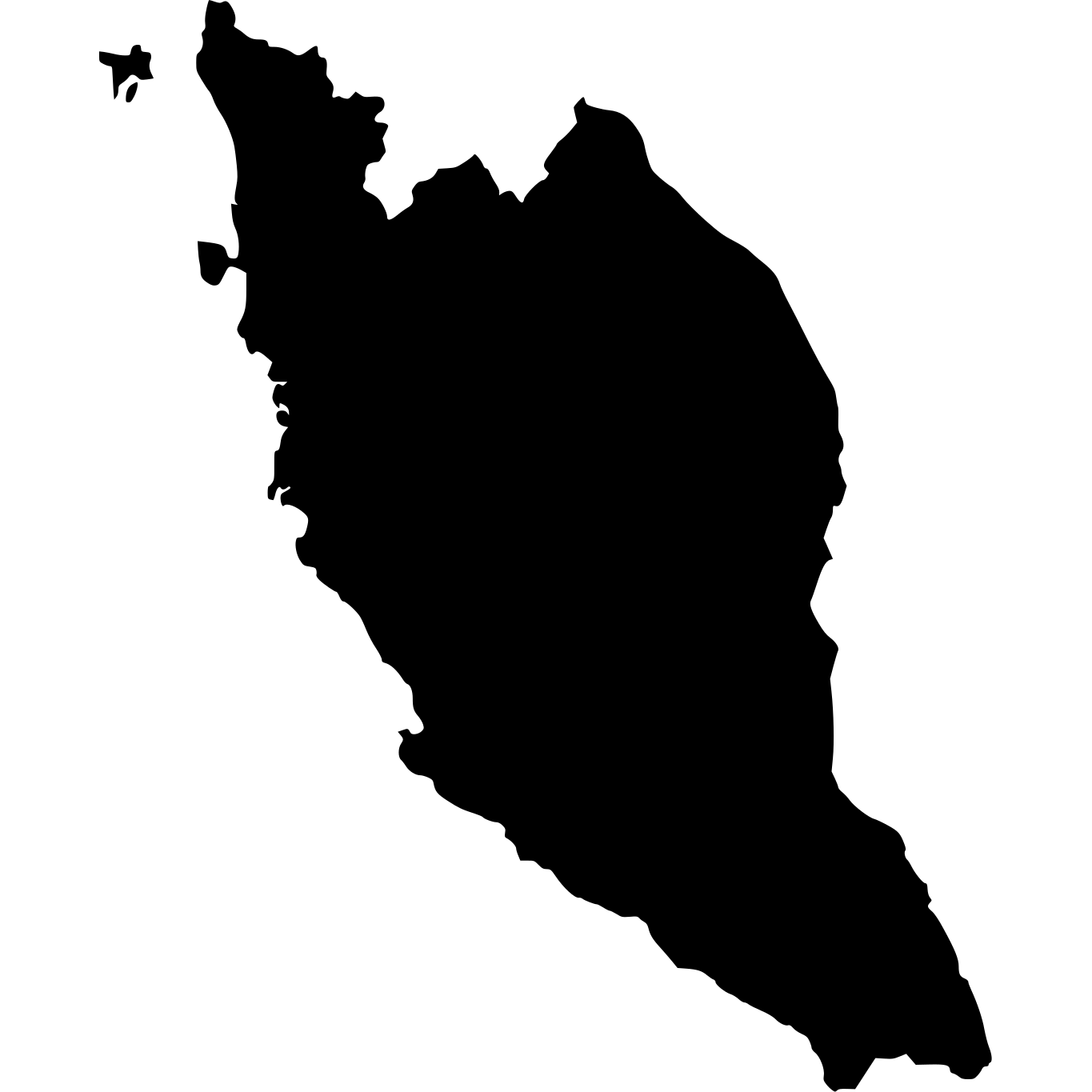
Aiken is a Malaysian brand
Often compared with

We're dedicated to providing you with the most up-to-date and science-backed ingredient info out there.
The data we've presented on this page has been verified by a member of the SkinSort Team.
Read more about us· Updated April 8, 2026 • Added by Rieza


