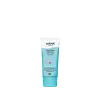
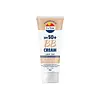
Wotnot Naturals Natural Face Sunscreen + Mineral Makeup BB Cream SPF 40 Versus Le Tan SPF 50+ BB Cream

What's inside
What's inside
 Key Ingredients
Benefits
Concerns
Ingredients Side-by-side
Zinc Oxide
Cosmetic Colorant


Phenethyl Alcohol
MaskingWater
Skin ConditioningCoco-Caprylate
Emollient

Diisopropyl Adipate
EmollientGalactoarabinan

Titanium Dioxide
Cosmetic Colorant
Polyglyceryl-3 Polyricinoleate
Emulsifying

Sorbitan Palmitate
Emulsifying
Simmondsia Chinensis Seed Oil
Emollient


Polyglyceryl-3 Diisostearate
Emulsifying


Hydrolyzed Jojoba Esters
Skin Conditioning
Vp/Eicosene Copolymer
Silica Dimethyl Silylate
EmollientGlycerin
Humectant
Iron Oxides
Aloe Barbadensis Leaf Juice
Skin Conditioning
Camellia Oleifera Leaf Extract
AstringentPolyhydroxystearic Acid
Emulsifying
Camellia Sinensis Extract
Antioxidant

Tocopherol
Antioxidant



Xanthan Gum
EmulsifyingMagnesium Sulfate
Caprylyl Glycol
Emollient
Glyceryl Caprylate
EmollientZinc Oxide, Phenethyl Alcohol, Water, Coco-Caprylate, Diisopropyl Adipate, Galactoarabinan, Titanium Dioxide, Polyglyceryl-3 Polyricinoleate, Sorbitan Palmitate, Simmondsia Chinensis Seed Oil, Polyglyceryl-3 Diisostearate, Hydrolyzed Jojoba Esters, Vp/Eicosene Copolymer, Silica Dimethyl Silylate, Glycerin, Iron Oxides, Aloe Barbadensis Leaf Juice, Camellia Oleifera Leaf Extract, Polyhydroxystearic Acid, Camellia Sinensis Extract, Tocopherol, Xanthan Gum, Magnesium Sulfate, Caprylyl Glycol, Glyceryl Caprylate
4-Methylbenzylidene Camphor
UV Absorber
Butyl Methoxydibenzoylmethane
UV Absorber
Ethylhexyl Triazone
UV Absorber
Octocrylene
UV Absorber
Aloe Barbadensis Leaf Juice
Skin Conditioning
Magnesium Aluminum Silicate
Absorbent
Argania Spinosa Kernel Oil
Emollient
Camellia Sinensis Leaf Extract
Antimicrobial
Cetearyl Alcohol
Emollient
Dimethicone
Emollient
Tocopheryl Acetate
Antioxidant
Tetrasodium EDTA
ChelatingEuterpe Oleracea Fruit Extract
Hydrated Silica
Abrasive
Hydroxyacetophenone
Antioxidant
CI 77499
Cosmetic ColorantCI 77491
Cosmetic ColorantCI 77492
Cosmetic ColorantIsopropyl Palmitate
Emollient
Kaolin
Abrasive
Chamomilla Recutita Extract
Skin Conditioning
Neopentyl Glycol Diheptanoate
EmollientPhenoxyethanol
Preservative
Polyglyceryl-3 Diisostearate
Emulsifying
Water
Skin ConditioningSimmondsia Chinensis Seed Oil
Emollient
Stearic Acid
Cleansing
Terminalia Ferdinandiana Fruit Extract
Antioxidant
Titanium Dioxide
Cosmetic Colorant
Triethanolamine
BufferingXanthan Gum
Emulsifying4-Methylbenzylidene Camphor, Butyl Methoxydibenzoylmethane, Ethylhexyl Triazone, Octocrylene, Aloe Barbadensis Leaf Juice, Magnesium Aluminum Silicate, Argania Spinosa Kernel Oil, Camellia Sinensis Leaf Extract, Cetearyl Alcohol, Dimethicone, Tocopheryl Acetate, Tetrasodium EDTA, Euterpe Oleracea Fruit Extract, Hydrated Silica, Hydroxyacetophenone, CI 77499, CI 77491, CI 77492, Isopropyl Palmitate, Kaolin, Chamomilla Recutita Extract, Neopentyl Glycol Diheptanoate, Phenoxyethanol, Polyglyceryl-3 Diisostearate, Water, Simmondsia Chinensis Seed Oil, Stearic Acid, Terminalia Ferdinandiana Fruit Extract, Titanium Dioxide, Triethanolamine, Xanthan Gum
Reviews
Ingredients Explained
These ingredients are found in both products.
Ingredients higher up in an ingredient list are typically present in a larger amount.
Aloe Barbadensis Leaf Juice is the filtered, stabilized liquid pressed from the inner gel of the aloe vera leaf.
In cosmetics, it shows up as either soothing active or a water-replacement base. It is roughly 98-99% water and the last 1-2% is an interesting mix of polysaccharides, amino acids, vitamins, minerals, and enzymes.
The polysaccharides do most of the work: they bind water at the skin surface for a light, non-greasy hydration boost. And one of the polysaccharides, glycomannan, is linked to fibroblast stimulation + collagen synthesis. This is also why aloe has such a long track record in wound and burn healing.
This ingredient is also calming with anti-inflammatory and mild antimicrobial activity, making it a great pick for sensitive, irritated, or post-sun skin.
Realistic expectations matter though; the solid evidence is mostly limited to hydration, soothing, and wound support. Deeper claims about anti-aging or sun protection are not well backed, and science reviews note it does not prevent radiation-induced skin injury.
Because it plays well with almost everything, it's commonly used as a base alongside other actives like niacinamide or vitamin C.
Typical usage concentrations range from 0.5% (where hydration benefits already show up) all the way to 90%+ (where it replaces water as the main base).
The safety for this ingredient is well-establish as well. Overall, this is a great supporting ingredient for those who want a boost in hydration.
Learn more about Aloe Barbadensis Leaf JuicePolyglyceryl-3 Diisostearate is a plant-derived, oil-soluble emulsifier. It keeps water-in-oil emulsions stable to prevent the ingredients from separating.
On the safety front, it's considered non-irritating and well-tolerated (it can even be found in formulations for baby skin).
This ingredient may not be fungal acne safe because research has shown that the Malassezia species can grow in the presence of fatty acid esters with chain lengths above C12 (and this one is C18).
While it does have a comedogenic rating of 4, the comedogenic rating scale was developed from rabbit ear models which has limited clinical relevance to human skin. Studies also show that comedogenic ingredients cannot predict how the overall formula will behave on human skin.
Learn more about Polyglyceryl-3 DiisostearateJojoba oil is one of the most well-studied plant-derived ingredients in cosmetics. It is an emollient with a special structure.
Because it is made up of 97-98% wax esters, it closely mirrors the linear monoesters found in human sebum. This makes it skin compatible, non-greasy, and lightweight.
Unlike other plant oils, jojoba wax doesn't easily penetrate skin. It mostly works in the uppermost layers as an emollient. This just means it forms a light barrier on the skin to help retain moisture.
Formulations with jojoba esters up to 90% reduced transepidermal water loss (TEWL) and increased barrier recovery by 81% (outperforming bisabolol at 47%).
Besides barrier support, the science also suggests jojoba to have anti-inflammatory effects and potential applications for skin infections, aging, and wound healing.
Fun fact: Indigenous cultures have used jojoba as a moisturizer and to help treat burns for centuries.
Fungal acne: The Malassezia yeast is known to metabolize fatty acids in the C11-24 range and jojoba's dominant fatty acid components fall into this range. This ingredient may not be fungal acne safe.
Learn more about Simmondsia Chinensis Seed OilTitanium Dioxide (TD) is a mineral UV filter widely used in sunscreens and cosmetics.
It's one of only two UV filters officially classified as "mineral" by regulatory agencies (the other being Zinc Oxide).
A really common myth is that mineral filters work by reflecting UV light off your skin like tiny mirrors.
They don't only do that; modern research shows TD protects mostly by absorbing UV radiation, the same way chemical filters do.
When researchers measured this, reflection accounted for only about 4-5% of the protection (and less than SPF 2 on its own). The other ~95% comes from absorption: the UV photons hit the particle and their energy gets soaked up by its semiconductor band gap rather than bouncing off.
So "reflects vs. absorbs" was never really the right way to split mineral from chemical filters.
TD gives broad-spectrum protection that's strongest in the UVB and UVA-2 range and weaker in the UVA-1 range. Its UVA protection isn't quite as strong as Zinc Oxide's which is why you'll often see the two paired together.
Together, they make a solid broad-spectrum system.
TD is a great pick for sensitive, acne-prone, or redness-prone skin because it's non-irritating and chemically inert. Regulatory reviews classify it as a non-sensitizer and mild-to-non-irritant.
It's also unlikely to cause the "eye sting" some chemical filters are known for.
The main trade-off is cosmetic; TD can leave a white cast and has a thicker texture. This is why mineral sunscreens are often less cosmetically elegant than chemical or hybrid formulas (and harder to shade-match on deeper skin tones).
Formulators often use micronized or nano-sized TD to cut down on white case and improve spreadability. Smaller particles scatter less visible light so the formula looks less chalky while still filtering UV.
TD is almost always bundled with coatings like Alumina, Silica, Stearic Acid, or Dimethicone. These coatings do two important jobs:
TD can be used at up to 25% in a finished sunscreen; this is the regulatory ceiling in both the US and the EU.
In practice, the amount in any given product varies a lot depending on the target SPF and whether it's paired with other UV filters.
TD is one of the most heavily vetted sunscreen ingredients out there. It is approved as a UV filter in all major markets worldwide, including the US, EU, UK, Japan, Korea, China, Australia, and Canada.
The safety evidence is solid. There was an old worry that nano particles might absorb through skin into the body but multiple studies (including on damaged, sunburned, and UV-irradiated skin) have shown that TD stays on the surface and the layer of dead skin cells on top of everything else.
There's also no evidence of carcinogenicity, mutagenicity, or reproductive toxicity from dermal exposure of this ingredient.
For those who have seen the headline about a 2022 EU ban on TD, that was on TD as a food additive (a complete separate use from topical sunscreen).
There are ongoing questions about how nano-TD might affect marine ecosystems. As of now, there has been no conclusive evidence that any form of TD (or any other sunscreen filter) harms coral reefs or marine life.
The science is still developing and it's a space worth watching rather than packing over.
However, several destinations have reef-safety sunscreen rules that restrict certain chemical filters and steer visitors toward mineral, non-nano options. If you're traveling somewhere with these rules, a non-nano mineral sunscreen is the safe bet.
Learn more about Titanium DioxideWater. It's the most common cosmetic ingredient of all. You'll usually see it at the top of ingredient lists, meaning that it makes up the largest part of the product.
So why is it so popular? Water most often acts as a solvent - this means that it helps dissolve other ingredients into the formulation.
You'll also recognize water as that liquid we all need to stay alive. If you see this, drink a glass of water. Remember to stay hydrated!
Learn more about WaterXanthan gum is used as a stabilizer and thickener within cosmetic products. It helps give products a sticky, thick feeling - preventing them from being too runny.
On the technical side of things, xanthan gum is a polysaccharide - a combination consisting of multiple sugar molecules bonded together.
Xanthan gum is a pretty common and great ingredient. It is a natural, non-toxic, non-irritating ingredient that is also commonly used in food products.
Learn more about Xanthan Gum

