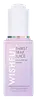
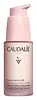
Wishful Thirst Trap Juice HA3 & Peptide Skincare Serum Versus Caudalie Resveratrol Lift Instant Firming Serum
This hydrating serum is formulated around Niacinamide and Hyaluronic Acid to hydrate skin and soften the look of wrinkles.
This anti-aging serum is formulated around Palmitoyl Grapevine Shoot Extract and Hyaluronic Acid to soften the look of wrinkles and brighten dull-looking skin.

What's inside
What's inside
 Key Ingredients
Benefits
Concerns
Ingredients Side-by-side
Water
Skin ConditioningGlycerin
Humectant


Methylpropanediol
SolventDipropylene Glycol
HumectantNiacinamide
Smoothing









Hyaluronic Acid
Humectant
Sodium Hyaluronate
Humectant
Hydrolyzed Hyaluronic Acid
Humectant
Palmitoyl Tripeptide-1
Skin Conditioning
Palmitoyl Tetrapeptide-7
Skin Conditioning
Althaea Rosea Flower Extract
Skin ConditioningAloe Barbadensis Leaf Polysaccharides
Emollient
Caffeine
Skin Conditioning
Adenosine
Skin Conditioning
Allantoin
Skin Conditioning
Ethylhexylglycerin
Skin ConditioningButylene Glycol
Humectant
Sodium Phytate
ChelatingCaprylyl Glycol
Emollient
Hydroxyacetophenone
Antioxidant
Carbomer
Emulsion StabilisingXanthan Gum
EmulsifyingTromethamine
BufferingGlyceryl Acrylate/Acrylic Acid Copolymer
HumectantPvm/Ma Copolymer
Emulsion Stabilising1,2-Hexanediol
Skin Conditioning
PEG-40 Hydrogenated Castor Oil
Emulsifying


Polysorbate 20
Emulsifying
Tocopherol
Antioxidant
Parfum
Masking



Linalool
Perfuming
Limonene
Perfuming
Water, Glycerin, Methylpropanediol, Dipropylene Glycol, Niacinamide, Hyaluronic Acid, Sodium Hyaluronate, Hydrolyzed Hyaluronic Acid, Palmitoyl Tripeptide-1, Palmitoyl Tetrapeptide-7, Althaea Rosea Flower Extract, Aloe Barbadensis Leaf Polysaccharides, Caffeine, Adenosine, Allantoin, Ethylhexylglycerin, Butylene Glycol, Sodium Phytate, Caprylyl Glycol, Hydroxyacetophenone, Carbomer, Xanthan Gum, Tromethamine, Glyceryl Acrylate/Acrylic Acid Copolymer, Pvm/Ma Copolymer, 1,2-Hexanediol, PEG-40 Hydrogenated Castor Oil, Polysorbate 20, Tocopherol, Parfum, Linalool, Limonene
Water
Skin ConditioningButylene Glycol
Humectant
Glycerin
Humectant
Hexyldecanol
Emollient
Hexyldecyl Laurate
EmollientSqualane
Emollient
Tocopheryl Acetate
Antioxidant
C20-22 Alkyl Phosphate
EmulsifyingPalmitoyl Grapevine Shoot Extract
Antioxidant
C20-22 Alcohols
Emulsion Stabilising
Potassium Cetyl Phosphate
EmulsifyingPolyacrylate Crosspolymer-6
Emulsion StabilisingHelianthus Annuus Seed Oil
Emollient
Caprylyl Glycol
Emollient
Parfum
Masking
Hydrolyzed Hyaluronic Acid
Humectant
Sodium Dehydroacetate
Preservative
Hyaluronic Acid
Humectant
Adenosine
Skin Conditioning
Sodium Hydroxide
BufferingAcetyl Dipeptide-1 Cetyl Ester
Skin Conditioning
Pentylene Glycol
Skin Conditioning
Sodium Phytate
ChelatingKhaya Senegalensis Bark Extract
Skin ProtectingMaltodextrin
Absorbent
Linalool
Perfuming
Limonene
Perfuming
Paeonia Lactiflora Root Extract
Skin ConditioningCoumarin
Perfuming
Nicotiana Benthamiana Hexapeptide-40 Sh-Polypeptide-47
Water, Butylene Glycol, Glycerin, Hexyldecanol, Hexyldecyl Laurate, Squalane, Tocopheryl Acetate, C20-22 Alkyl Phosphate, Palmitoyl Grapevine Shoot Extract, C20-22 Alcohols, Potassium Cetyl Phosphate, Polyacrylate Crosspolymer-6, Helianthus Annuus Seed Oil, Caprylyl Glycol, Parfum, Hydrolyzed Hyaluronic Acid, Sodium Dehydroacetate, Hyaluronic Acid, Adenosine, Sodium Hydroxide, Acetyl Dipeptide-1 Cetyl Ester, Pentylene Glycol, Sodium Phytate, Khaya Senegalensis Bark Extract, Maltodextrin, Linalool, Limonene, Paeonia Lactiflora Root Extract, Coumarin, Nicotiana Benthamiana Hexapeptide-40 Sh-Polypeptide-47
Reviews
Ingredients Explained
These ingredients are found in both products.
Ingredients higher up in an ingredient list are typically present in a larger amount.
Adenosine is a purine nucleoside that your body already makes in every cell. In skincare, it acts mainly as a skin conditioning and anti-aging agent.
The way it works is fairly well mapped out:
Your skin has cells called fibroblasts that build collagen (the stuff that keeps skin firm and smooth). Adenosine basically flips a switch on these cells that tells them to get to work making more collagen and other proteins. These cells slow down on their own as skin ages, so Adenosine helps give them a little nudge to keep going.
The clinical backing is pretty solid too.
A blind, randomized, placebo-controlled trial of 126 women aged 45-65 tested a 0.1% cream twice daily and found real improvements in crow's feet and frown lines using a precise 3D skin-mapping technique; these changes showed up by week 3 and held at 2 months.
A later study using Adenosine-loaded dissolving microneedle patches reported gains in wrinkle depth, dermal density, elasticity, and hydration.
On concentrations, South Korea's Ministry of Food and Drug Safety has set 0.04% as the approved functional anti-wrinkle level. You'll typically see this ingredient used somewhere in the 0.04-0.1% range since it works at low doses.
This ingredient has been found safe for cosmetics with the data showing no irritation or sensitization.
Overall, this is a great ingredient for any anti-aging routine and has no photosensitizing effect, so it suits both AM and PM use.
Learn more about AdenosineButylene Glycol (or BG) is used within cosmetic products for a few different reasons:
Overall, Butylene Glycol is a safe and well-rounded ingredient that works well with other ingredients.
Though this ingredient works well with most skin types, some people with sensitive skin may experience a reaction such as allergic rashes, closed comedones, or itchiness.
Learn more about Butylene GlycolCaprylyl Glycol is a humectant, skin conditioner, emollient, and preservative booster derived from either caprylic acid or synthetically created.
Typical use levels vary from 0.3-1% as a preservative booster and go up to 2% to condition skin.
Because it is not a free-fatty acid, this ingredient is fungal acne safe (there's nothing for Malassezia to feed on).
Learn more about Caprylyl GlycolGlycerin (or glycerol) is a compound naturally found in your skin. It's a powerhouse humectant that pulls water into the stratum corneum.
Topically, glycerin does several things at once:
Your skin makes glycerin on its own (mostly from sebaceous oil breakdown) and shuttles it to your outermost layer of skin, or your epidermis, via aquaporin-3.
Aquaporin-3 is a transporter that is essential for normal skin hydration, elasticity, and repair. Interestingly, mice lacking in AQP3 have dry and less elastic skin that can be fully corrected with glycerin.
This ingredient is non-irritating, plays well with almost every ingredient, and works across all skin types. Typical use is anywhere between 3-10% but can go up to 79% in some leave-on products.
Just know very high concentrations (>40%) can feel tacky in low humidity.
Glycerin is the name for this ingredient in American English. British English uses Glycerol/Glycerine.
Learn more about GlycerinHyaluronic acid (HA) is a glycosaminoglycan (basically a long sugar chain) that your skin already makes on its own. In your skin, HA lives in the extracellular matrix and acts as the body's moisture reservoir.
Topically, HA is a humectant that binds water and helps skin look more plump, smooth, and hydrated.
The only catch is that HA isn't a single thing; it actually comes in a wide range of molecular weights (~50 - 2,000+ kDA) and size matters.
Some clinical evidence links low molecular weight versions to improved wrinkle depth, elasticity, anti-inflammatory effects, and barrier repair.
This is why the best HA serums blend the two sizes together so you get the best of both worlds.
The majority of cosmetic HA is produced by bacterial fermentation, typically using Streptococcus or Bacillus strains. Typical use levels in skincare sit around 0.1-2%.
A clinical study using a 0.2% low-molecular weight HA gel showed improvement in facial seborrheic dermatitis with excellent tolerance.
These are some other common types of Hyaluronic Acid:
Learn more about Hyaluronic AcidHydrolyzed Hyaluronic Acid is hyaluronic acid (HA) that is broken down into lower molecular weight fragments.
It's a humectant that pulls and holds water in the skin to help with hydration, plumpness, and reduce transepidermal water loss.
Because hydrolyzed hyaluronic acid is smaller in size, it can slip past your outermost layer of skin more easily than full-sized HA.
Most formulations will combine all sizes to get the best of both worlds.
Typical usage levels range from 0.01-1%. Any percentage higher than 2% might become goopy and tacky.
Learn more about Hydrolyzed Hyaluronic AcidLimonene is the compound that gives citrus peel its smell.
In skincare, it shows up as a standalone fragrance ingredient or as a natural compound of citrus and other essential oils.
You'll typically see this ingredient used in very small amounts; anything above 0.001% in a leave-on product or 0.01% in a rinse-off has to be named on the label in the EU. The citrus oils that carry it sit around 0.5-1% in a finished formula.
Fresh limonene is a weak allergen; the real issue is that it slowly reacts with air and then breaks down from oxidation to create hydroperoxides (which are strong sensitizers). This is why suppliers are required to keep the peroxide value below 20 mmol.
Positive reactions in people being investigated for eczema vary:
It's worth skipping if you have a known fragrance allergy or a compromised barrier, but the risk is low for most people.
Older or long-opened products are also more likely to bother you than fresh ones due to oxidation.
Learn more about LimoneneLinalool is a small, naturally occurring scent molecule found in plants like lavender, coriander, bergamot, and more.
It is one of the two most-used fragrance ingredients in cosmetics and added purely for smell. Since it's not used for a skin benefit, there's no "effective dose". Concentration depends on the fragrance load of the product.
The EU requires it to be named on the label above 0.001% in leave-on and 0.01% in rinse-off products.
Fresh linalool is a weak sensitizer but air exposure turns some of it into hydroperoxides, which are strong sensitizers. Those oxidation products are the actual allergy concern.
Patch-test clinics see positive reactions to linalool hydroperoxides in about 4% to 12% of dermatitis patients depending on country and test concentration.
Resassuringly, one analytical study found hydroperoxide levels in real fragranced products to be orders of magnitude below what induced sensitization in animal studies with no evidence of oxidation building up during normal storage.
The practical takeaway is that linalool is fine for most people but worth avoiding if you have a confirmed fragrance contact allergy or a badly compromised barrier.
Products stored a long time after opening are also the high-risk scenario since that is when oxidation happens.
The scent of linalool is described as floral, spicy tropical, and citrus-like.
Learn more about LinaloolParfum is a catch-all term for an ingredient or more that is used to give a scent to products.
Also called "fragrance", this ingredient can be a blend of hundreds of chemicals or plant oils. This means every product with "fragrance" or "parfum" in the ingredients list is a different mixture.
For instance, Habanolide is a proprietary trade name for a specific aroma chemical. When used as a fragrance ingredient in cosmetics, most aroma chemicals fall under the broad labeling category of “FRAGRANCE” or “PARFUM” according to EU and US regulations.
The term 'parfum' or 'fragrance' is not regulated in many countries. In many cases, it is up to the brand to define this term.
For instance, many brands choose to label themselves as "fragrance-free" because they are not using synthetic fragrances. However, their products may still contain ingredients such as essential oils that are considered a fragrance by INCI standards.
One example is Calendula flower extract. Calendula is an essential oil that still imparts a scent or 'fragrance'.
Depending on the blend, the ingredients in the mixture can cause allergies and sensitivities on the skin. Some ingredients that are known EU allergens include linalool and citronellol.
Parfum can also be used to mask or cover an unpleasant scent.
The bottom line is: not all fragrances/parfum/ingredients are created equally. If you are worried about fragrances, we recommend taking a closer look at an ingredient. And of course, we always recommend speaking with a professional.
Learn more about ParfumSodium Phytate is the sodium salt of Phytic acid, a compound that plants store phosphorus in. It's the plant-derived alternative to ingredients like Disodium EDTA.
In skincare, this ingredient is a chelator that grabs onto trace metal ions like iron and copper that sneak into formulas through water/raw materials.
Those metals speed up oxidation so binding them keeps oils, fragrance, and actives from going off, stops color changes, and helps the preservative system work harder.
Survey data shows usage levels range from 0.0099%-0.5% in leave-on products, 0.025%-0.3% in rinse-off, and up to 0.05% in eye-area products. Suppliers typically recommend a range between 0.05-0.5%.
Learn more about Sodium PhytateWater. It's the most common cosmetic ingredient of all. You'll usually see it at the top of ingredient lists, meaning that it makes up the largest part of the product.
So why is it so popular? Water most often acts as a solvent - this means that it helps dissolve other ingredients into the formulation.
You'll also recognize water as that liquid we all need to stay alive. If you see this, drink a glass of water. Remember to stay hydrated!
Learn more about Water

