
What's inside
What's inside
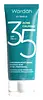 Key Ingredients
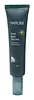
Benefits
Concerns
Ingredients Side-by-side
Water
Skin ConditioningEthylhexyl Methoxycinnamate
UV Absorber


Niacinamide
Smoothing











Butyl Methoxydibenzoylmethane
UV Absorber
Aluminum Starch Octenylsuccinate
Absorbent
Phenoxyethanol
Preservative
Cetearyl Olivate

Propanediol
Solvent
Butylene Glycol
Humectant
Octocrylene
UV Absorber
Acrylates/C10-30 Alkyl Acrylate Crosspolymer
Emulsion StabilisingSorbitan Olivate
Emulsifying
Polymethyl Methacrylate
Aminomethyl Propanol
BufferingAllantoin
Skin Conditioning
Panthenol
Skin Conditioning
Salicylic Acid
Masking


Xanthan Gum
EmulsifyingTriethylene Glycol
Masking
Ethylhexyl Triazone
UV Absorber
Tetrasodium EDTA
Lecithin
Emollient
BHT
Antioxidant
Water, Ethylhexyl Methoxycinnamate, Niacinamide, Butyl Methoxydibenzoylmethane, Aluminum Starch Octenylsuccinate, Phenoxyethanol, Cetearyl Olivate, Propanediol, Butylene Glycol, Octocrylene, Acrylates/C10-30 Alkyl Acrylate Crosspolymer, Sorbitan Olivate, Polymethyl Methacrylate, Aminomethyl Propanol, Allantoin, Panthenol, Salicylic Acid, Xanthan Gum, Triethylene Glycol, Ethylhexyl Triazone, Tetrasodium EDTA, Lecithin, BHT
Water
Skin ConditioningGlycerin
Humectant
Dibutyl Adipate
EmollientButyloctyl Salicylate
Skin Conditioning
Diethylamino Hydroxybenzoyl Hexyl Benzoate
UV Filter
Bis-Ethylhexyloxyphenol Methoxyphenyl Triazine
Skin Conditioning
Butylene Glycol
Humectant
Ethylhexyl Triazone
UV Absorber
Pentylene Glycol
Skin Conditioning
Isoamyl P-Methoxycinnamate
UV Absorber
Polysilicone-15
UV Filter
Centella Asiatica Leaf Water
Skin Conditioning
Inulin Lauryl Carbamate
Emulsion StabilisingChrysanthemum Parthenium Extract
Skin ConditioningChamomilla Recutita Extract
Skin Conditioning
Sodium Acrylate/Sodium Acryloyldimethyl Taurate Copolymer
Emulsion StabilisingAcrylates/C10-30 Alkyl Acrylate Crosspolymer
Emulsion StabilisingTromethamine
BufferingIsohexadecane
EmollientGlyceryl Caprylate
EmollientCaprylyl Glycol
Emollient
Polysorbate 80
Emulsifying
Camellia Japonica Leaf Extract
Skin ConditioningSorbitan Oleate
Emulsifying
Water, Glycerin, Dibutyl Adipate, Butyloctyl Salicylate, Diethylamino Hydroxybenzoyl Hexyl Benzoate, Bis-Ethylhexyloxyphenol Methoxyphenyl Triazine, Butylene Glycol, Ethylhexyl Triazone, Pentylene Glycol, Isoamyl P-Methoxycinnamate, Polysilicone-15, Centella Asiatica Leaf Water, Inulin Lauryl Carbamate, Chrysanthemum Parthenium Extract, Chamomilla Recutita Extract, Sodium Acrylate/Sodium Acryloyldimethyl Taurate Copolymer, Acrylates/C10-30 Alkyl Acrylate Crosspolymer, Tromethamine, Isohexadecane, Glyceryl Caprylate, Caprylyl Glycol, Polysorbate 80, Camellia Japonica Leaf Extract, Sorbitan Oleate
Reviews
Ingredients Explained
These ingredients are found in both products.
Ingredients higher up in an ingredient list are typically present in a larger amount.
Acrylates/C10-30 Alkyl Acrylate Crosspolymer is a synthetic polymer. It is used to thicken, emulsify, and improve the texture of products.
As an emulsifier, it helps stabilize oil-in-water emulsions to give products an elegant feel when applied.
It can also form a thin protective film on skin. One study found that a formula using this polymer helped slow down how quickly other ingredients (like DEET) were absorbed through skin.
A 2024 study of over 1,300 patients confirmed that sensitization to this ingredient is rare. It is also non-mutagenic and has a clean track record.
Learn more about Acrylates/C10-30 Alkyl Acrylate CrosspolymerButylene Glycol (or BG) is used within cosmetic products for a few different reasons:
Overall, Butylene Glycol is a safe and well-rounded ingredient that works well with other ingredients.
Though this ingredient works well with most skin types, some people with sensitive skin may experience a reaction such as allergic rashes, closed comedones, or itchiness.
Learn more about Butylene GlycolEthylhexyl Triazone (aka Octyl Triazone) is an oil-soluble organic UVB filter. It has peak absorption around 314 nm, right in the middle of the UVB range.
This ingredient is described as one of the most effective UVB filters available and small concentrations are enough to deliver a high SPF thanks to its strong UV absorbing power.
Formulators love it for its stability; its ability to filter UV stays practically unchanged even under intense radiation and it can also help boost the photostability of less stable filters like avobenzone.
It's also a great pick for water resistant products because it's insoluble in water and has a good affinity for keratin.
Because it's a big, heavy molecule, the European Scientific Committee has found to to have very low dermal penetration and negative results for allergenicity.
In vitro testing also showed a low absorption rate and clean results on irritation.
Typical use levels are 1-5% with 5% being the maximum in the EU, Japan, and other markets that allow it. However, this ingredient is not approved yet in the US or Canada.
Learn more about Ethylhexyl TriazoneWater. It's the most common cosmetic ingredient of all. You'll usually see it at the top of ingredient lists, meaning that it makes up the largest part of the product.
So why is it so popular? Water most often acts as a solvent - this means that it helps dissolve other ingredients into the formulation.
You'll also recognize water as that liquid we all need to stay alive. If you see this, drink a glass of water. Remember to stay hydrated!
Learn more about Water

