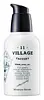
This barrier-repair serum is formulated around Centella Asiatica Extract to strengthen the skin barrier.

What's inside
What's inside
 Key Ingredients
Benefits
Concerns
Ingredients Side-by-side
Water
Skin ConditioningGlycerin
Humectant


Propanediol
Solvent
Diglycerin
Humectant
Methyl Gluceth-20
Humectant
PEG/PPG-17/6 Copolymer
SolventCyclopentasiloxane
Emollient
1,2-Hexanediol
Skin Conditioning
Dimethicone
Emollient
Betaine
Humectant
Dimethiconol
Emollient
Salvia Hispanica Seed Extract
Emollient
Centella Asiatica Extract
Cleansing


Houttuynia Cordata Extract
Skin Conditioning
Acrylates/C10-30 Alkyl Acrylate Crosspolymer
Emulsion StabilisingTromethamine
BufferingFructooligosaccharides
Humectant
Xanthan Gum
EmulsifyingEthylhexylglycerin
Skin ConditioningPullulan
Butylene Glycol
Humectant
Moringa Oleifera Seed Oil
Emollient




Harpagophytum Procumbens Root Extract
Skin ConditioningCeramide NP
Skin Conditioning
Phytosphingosine
Skin Conditioning
Hydrogenated Lecithin
Emulsifying
Polysorbate 20
Emulsifying
PEG-60 Hydrogenated Castor Oil
Emulsifying
Parfum
Masking


Water, Glycerin, Propanediol, Diglycerin, Methyl Gluceth-20, PEG/PPG-17/6 Copolymer, Cyclopentasiloxane, 1,2-Hexanediol, Dimethicone, Betaine, Dimethiconol, Salvia Hispanica Seed Extract, Centella Asiatica Extract, Houttuynia Cordata Extract, Acrylates/C10-30 Alkyl Acrylate Crosspolymer, Tromethamine, Fructooligosaccharides, Xanthan Gum, Ethylhexylglycerin, Pullulan, Butylene Glycol, Moringa Oleifera Seed Oil, Harpagophytum Procumbens Root Extract, Ceramide NP, Phytosphingosine, Hydrogenated Lecithin, Polysorbate 20, PEG-60 Hydrogenated Castor Oil, Parfum
Water
Skin ConditioningGlycerin
Humectant
PEG/PPG-17/6 Copolymer
SolventDiglycerin
Humectant
Methyl Gluceth-20
Humectant
Propanediol
Solvent
Dimethicone
Emollient
1,2-Hexanediol
Skin Conditioning
Betaine
Humectant
Undecane
EmollientAcrylates/C10-30 Alkyl Acrylate Crosspolymer
Emulsion StabilisingTromethamine
BufferingCaprylyl Methicone
Skin Conditioning
Tridecane
Perfuming
Saccharide Hydrolysate
HumectantFructooligosaccharides
Humectant
Silica Dimethyl Silylate
EmollientMica
Cosmetic ColorantXanthan Gum
EmulsifyingC30-45 Alkyl Cetearyl Dimethicone Crosspolymer
Emollient
Pullulan
CI 77891
Cosmetic ColorantEclipta Prostrata Extract
Skin Conditioning
Olea Europaea Fruit Oil
Masking
Lauryl Dimethicone
Skin Conditioning
Synthetic Fluorphlogopite
Melia Azadirachta Leaf Extract
Skin ConditioningCI 75470
Cosmetic ColorantDiamond Powder
Abrasive
Caesalpinia Spinosa Fruit Extract
Skin ProtectingMelia Azadirachta Flower Extract
Skin ConditioningMoringa Oleifera Seed Oil
Emollient
Butylene Glycol
Humectant
Coccinia Indica Fruit Extract
Skin Conditioning
Kappaphycus Alvarezii Extract
Skin Conditioning
Tocopherol
Antioxidant



Tin Oxide
Abrasive
Aloe Barbadensis Flower Extract
EmollientSolanum Melongena Fruit Extract
Skin ConditioningCaprylic/Capric Triglyceride
Masking
Simmondsia Chinensis Seed Oil
Emollient
Phosphatidylcholine
EmulsifyingCorallina Officinalis Extract
Skin Conditioning
Ocimum Sanctum Leaf Extract
Skin ConditioningCurcuma Longa Root Extract
Antioxidant
Ceramide NP
Skin Conditioning
Glycine
Buffering
Serine
Masking
Glutamic Acid
Humectant
Lysine
Skin ConditioningAlanine
Masking
Proline
Skin Conditioning
Threonine
Water, Glycerin, PEG/PPG-17/6 Copolymer, Diglycerin, Methyl Gluceth-20, Propanediol, Dimethicone, 1,2-Hexanediol, Betaine, Undecane, Acrylates/C10-30 Alkyl Acrylate Crosspolymer, Tromethamine, Caprylyl Methicone, Tridecane, Saccharide Hydrolysate, Fructooligosaccharides, Silica Dimethyl Silylate, Mica, Xanthan Gum, C30-45 Alkyl Cetearyl Dimethicone Crosspolymer, Pullulan, CI 77891, Eclipta Prostrata Extract, Olea Europaea Fruit Oil, Lauryl Dimethicone, Synthetic Fluorphlogopite, Melia Azadirachta Leaf Extract, CI 75470, Diamond Powder, Caesalpinia Spinosa Fruit Extract, Melia Azadirachta Flower Extract, Moringa Oleifera Seed Oil, Butylene Glycol, Coccinia Indica Fruit Extract, Kappaphycus Alvarezii Extract, Tocopherol, Tin Oxide, Aloe Barbadensis Flower Extract, Solanum Melongena Fruit Extract, Caprylic/Capric Triglyceride, Simmondsia Chinensis Seed Oil, Phosphatidylcholine, Corallina Officinalis Extract, Ocimum Sanctum Leaf Extract, Curcuma Longa Root Extract, Ceramide NP, Glycine, Serine, Glutamic Acid, Lysine, Alanine, Proline, Threonine
Reviews
Ingredients Explained
These ingredients are found in both products.
Ingredients higher up in an ingredient list are typically present in a larger amount.
1,2-Hexanediol is a synthetic liquid and another multi-functional powerhouse.
It is a:
- Humectant, drawing moisture into the skin
- Emollient, helping to soften skin
- Solvent, dispersing and stabilizing formulas
- Preservative booster, enhancing the antimicrobial activity of other preservatives
Acrylates/C10-30 Alkyl Acrylate Crosspolymer is a synthetic polymer. It is used to thicken, emulsify, and improve the texture of products.
As an emulsifier, it helps stabilize oil-in-water emulsions to give products an elegant feel when applied.
It can also form a thin protective film on skin. One study found that a formula using this polymer helped slow down how quickly other ingredients (like DEET) were absorbed through skin.
A 2024 study of over 1,300 patients confirmed that sensitization to this ingredient is rare. It is also non-mutagenic and has a clean track record.
Learn more about Acrylates/C10-30 Alkyl Acrylate CrosspolymerBetaine is a humectant. Like hyaluronic acid, it helps attract and retain moisture in the skin. It’s known for being gentle and for helping the skin maintain balanced hydration.
Betaine is mainly used to improve hydration and support calmer skin. It helps skin cells regulate water balance because it functions as an osmolyte.
Some studies suggest betaine may support making skin tone more even.
Fun fact: Betaine naturally exists in the skin and the body. In cosmetic products, it can be either plant-derived (most commonly from sugar beets) or synthetically produced for consistency and stability.
Betaine is also known as trimethylglycine.
Learn more about BetaineButylene Glycol (or BG) is used within cosmetic products for a few different reasons:
Overall, Butylene Glycol is a safe and well-rounded ingredient that works well with other ingredients.
Though this ingredient works well with most skin types, some people with sensitive skin may experience a reaction such as allergic rashes, closed comedones, or itchiness.
Learn more about Butylene GlycolCeramide NP (formerly known as Ceramide 3) is one of the skin's naturally occurring lipids.
Since ceramides are the major lipid components of the skin, they are crucial for maintaining skin barrier and hydration. Ceramide NP most closely mirrors the dominant kind in human skin amongst ceramide subtypes.
This ceramide works by slotting into gaps within the stratum corneum's lipid matrix to limit trans-epidermal water loss (TEWL) and shield the skin against external irritants.
A study with 312 patients found that using a ceramide-containing routine for 4 weeks reduced the severity of atopic dermatitis by over 61%.
Another clinical study in subjects aged 60 and older found that a ceramide body wash and moisturizer improved skin dryness and itchy skin in 15 days.
Overall, ceramides are considered non-irritating and safety tests have found little to no observable adverse effects from using this ingredient.
Ceramide NP is usually sourced from plants (like soybean or rice bran), or produced synthetically.
Learn more about Ceramide NPDiglycerin is a humectant. It is derived from glycerin, which is naturally found in your skin.
As a humectant, it helps draw moisture to the skin from the air.
Dimethicone is a type of synthetic silicone created from natural materials such as quartz. It is also known as polydimethylsiloxane.
What it does:
Dimethicone comes in different viscosities:
Depending on the viscosity, dimethicone has different properties.
Ingredients lists don't always show which type is used, so we recommend reaching out to the brand if you have questions about the viscosity.
This ingredient is unlikely to cause irritation because it does not get absorbed into skin. However, people with silicone allergies should be careful about using this ingredient.
Note: Dimethicone may contribute to pilling. This is because it is not oil or water soluble, so pilling may occur when layered with products. When mixed with heavy oils in a formula, the outcome is also quite greasy.
Learn more about DimethiconeFructooligosaccharides (FOS) are a type of prebiotic sugar with humectant and skin conditioning properties. As a humectant, they help attract and hold moisture in the skin.
FOS essentially acts as a food source for the "good" bacteria on your skin and make it harder for "bad" bacteria to thrive. A 2022 study using a reconstructured human skin model found that just 1% of FOS was enough to shift the bacteria balance in favor of beneficial species. This suggests it could help support a healthier skin microbiome over time.
This ingredient has a low sensitization risk and testing shows it does not classify as a skin irritant or sensitizer.
FOS are usually produced from sugar beets and can also be found in foods like bananas, garlic, and onions.
Learn more about FructooligosaccharidesGlycerin (or glycerol) is a compound naturally found in your skin. It's a powerhouse humectant that pulls water into the stratum corneum.
Topically, glycerin does several things at once:
Your skin makes glycerin on its own (mostly from sebaceous oil breakdown) and shuttles it to your outermost layer of skin, or your epidermis, via aquaporin-3.
Aquaporin-3 is a transporter that is essential for normal skin hydration, elasticity, and repair. Interestingly, mice lacking in AQP3 have dry and less elastic skin that can be fully corrected with glycerin.
This ingredient is non-irritating, plays well with almost every ingredient, and works across all skin types. Typical use is anywhere between 3-10% but can go up to 79% in some leave-on products.
Just know very high concentrations (>40%) can feel tacky in low humidity.
Glycerin is the name for this ingredient in American English. British English uses Glycerol/Glycerine.
Learn more about GlycerinMethyl Gluceth-20 is a humectant. Humectants help draw moisture from the air to your skin.
It is created by combining polyethylene glycol with glucose.
Moringa Oleifera Seed Oil is a lightweight oil from the seeds of the Moringa oleifera tree. In cosmetics, it's an emollient that forms a light film to slow water loss and soften skin.
Its fatty acid composition is dominated by oleic acid (70-78%), with smaller amounts of behenic, palmitic, and stearic acids (this profile is actually pretty similar to olive oil).
Notably, this ingredient is oxidatively stable for an oil and resists going rancid as fast as other oils.
A small, in vivo study on 32 participants found a cream with this ingredient increased skin hydration with no reported skin irritation. It also found the tocopherol content gave it some antioxidant activity as well.
Because this oil is so high in oleic acid, Malassezia can use it as a food source and this ingredient may not be fungal acne safe.
For everyone else, this ingredient is well-tolerated and nourishing with a good safety track record.
This ingredient shows up on a lot of "pore-clogging" lists but there's no real evidence behind that. It doesn't even have a comedogenic rating from an actual study; the numbers you'll find online come from blogs citing other blogs.
Ratings for other ingredients mostly come from a 1980s rabbit ear test. This test doesn't translate well to human skin or to real products because the ingredient sits at a much lower percentage.
Some people still find it breaks them out. So if that's you, definitely trust your skin.
Learn more about Moringa Oleifera Seed OilWe don't have a description for PEG/PPG-17/6 Copolymer yet.
Propanediol is an all-star ingredient. It softens, hydrates, and smooths the skin.
It’s often used to:
Propanediol is not likely to cause sensitivity and considered safe to use. It is derived from corn or petroleum with a clear color and no scent.
Learn more about PropanediolPullulan is a low viscosity polysaccharide (a long chain carbohydrate) with binding and film forming properties when dissolved in water. It is used to create a "silicone-like" or silky feel in cosmetics without adding viscosity.
According to a manufacturer, this ingredient's ability to easily dissolves makes it a great carrier for active ingredients.
Due to it being edible and tasteless, you'll likely find this ingredient in breath freshener strips. This ingredient is produced from the starch of the fungus, Aureobasidium pullulans.
Pullulan is stable over a broad-range of pH.
Learn more about PullulanTromethamine (aka THAM) is a synthetic amino acid that shows up in skincare as a helper ingredient.
It functions as a pH adjuster to help neutralize acidic ingredients and set a formula's pH to the right spot.
This matters a lot because a lot of actives (like vitamin C) needs a specific pH to work well and feel comfortable on skin.
Concentration use ranges from 0.1-1.0% depending on the formula.
Learn more about TromethamineWater. It's the most common cosmetic ingredient of all. You'll usually see it at the top of ingredient lists, meaning that it makes up the largest part of the product.
So why is it so popular? Water most often acts as a solvent - this means that it helps dissolve other ingredients into the formulation.
You'll also recognize water as that liquid we all need to stay alive. If you see this, drink a glass of water. Remember to stay hydrated!
Learn more about WaterXanthan gum is used as a stabilizer and thickener within cosmetic products. It helps give products a sticky, thick feeling - preventing them from being too runny.
On the technical side of things, xanthan gum is a polysaccharide - a combination consisting of multiple sugar molecules bonded together.
Xanthan gum is a pretty common and great ingredient. It is a natural, non-toxic, non-irritating ingredient that is also commonly used in food products.
Learn more about Xanthan Gum

