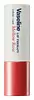
This barrier-repair lip moisturizer is formulated around Caprylic/Capric Triglyceride and Butyrospermum Parkii Butter to strengthen the lip barrier and hydrate lips.
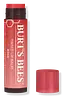
This lip moisturizer is formulated around Cocos Nucifera Oil and Butyrospermum Parkii Butter to hydrate lips.

What's inside
What's inside
 Key Ingredients
Benefits
Concerns
Ingredients Side-by-side
Caprylic/Capric Triglyceride
Masking


Diisostearyl Malate
EmollientHydrogenated Polyisobutene
EmollientSynthetic Wax
Abrasive

Bis-Diglyceryl Polyacyladipate-2
Emollient

Butyrospermum Parkii Butter
Skin Conditioning

Microcrystalline Wax
Emulsion StabilisingPetrolatum 3%
Emollient

Polyglyceryl-2 Triisostearate
Emulsifying
Silica
Abrasive

Silica Dimethyl Silylate
EmollientSorbitan Isostearate
Emulsifying
Titanium Dioxide
Cosmetic Colorant

CI 77491
Cosmetic ColorantCI 77492
Cosmetic ColorantParfum
Masking

CI 15850
Cosmetic ColorantDehydroacetic Acid
Preservative
Pentaerythrityl Tetra-Di-T-Butyl Hydroxyhydrocinnamate
Antioxidant
Honey Extract
Humectant
BHT
Antioxidant
Phenoxyethanol
Preservative
Ethylhexylglycerin
Skin ConditioningCaprylic/Capric Triglyceride, Diisostearyl Malate, Hydrogenated Polyisobutene, Synthetic Wax, Bis-Diglyceryl Polyacyladipate-2, Butyrospermum Parkii Butter, Microcrystalline Wax, Petrolatum 3%, Polyglyceryl-2 Triisostearate, Silica, Silica Dimethyl Silylate, Sorbitan Isostearate, Titanium Dioxide, CI 77491, CI 77492, Parfum, CI 15850, Dehydroacetic Acid, Pentaerythrityl Tetra-Di-T-Butyl Hydroxyhydrocinnamate, Honey Extract, BHT, Phenoxyethanol, Ethylhexylglycerin
Cocos Nucifera Oil
Masking
Vegetable Oil
Skin Conditioning
Cera Alba
Emollient
Olea Europaea Fruit Oil
Masking
Euphorbia Cerifera Cera
Astringent
Helianthus Annuus Seed Oil
Emollient
Aroma
Lanolin
Emollient
Butyrospermum Parkii Butter
Skin Conditioning
Ricinus Communis Seed Oil
Masking
Ammonium Glycyrrhizate
MaskingTocopherol
Antioxidant




Rosmarinus Officinalis Leaf Extract
AntimicrobialGlycine Soja Oil
Emollient
Canola Oil
Emollient
CI 77491
Cosmetic ColorantCI 77492
Cosmetic ColorantCI 77499
Cosmetic ColorantCI 77891
Cosmetic ColorantCI 75470
Cosmetic ColorantCocos Nucifera Oil, Vegetable Oil, Cera Alba, Olea Europaea Fruit Oil, Euphorbia Cerifera Cera, Helianthus Annuus Seed Oil, Aroma, Lanolin, Butyrospermum Parkii Butter, Ricinus Communis Seed Oil, Ammonium Glycyrrhizate, Tocopherol, Rosmarinus Officinalis Leaf Extract, Glycine Soja Oil, Canola Oil, CI 77491, CI 77492, CI 77499, CI 77891, CI 75470
Reviews
Ingredients Explained
These ingredients are found in both products.
Ingredients higher up in an ingredient list are typically present in a larger amount.
This ingredient is also known as shea butter. It is a plant-derived extract from the nuts of the Africa shea tree and one of the most well-studied emollients.
Because it has a high concentration of fatty acids (primarily oleic, stearic, and linoleic) it is able to form a protective barrier on the skin's surface. This helps seal in moisture and prevents transepidermal water loss (TEWL).
In vitro research found an increase in skin hydration by 58% and a decrease in TEWL by 37.8% after 24 hours of applying this ingredient (pretty impressive for a single ingredient!).
Besides hydration, shea butter also contains triterpenes that have anti-inflammatory potential. In particule, lupeol cinnamate has shown the highest anti-inflammatory activity in vivo.
Shea butter also contains vitamins A and E which may contribute to antioxidant activity.
While Shea Butter has an SPF rating of about 3-4, it is not a sunscreen replacement.
This ingredient may not be fungal acne safe because its fatty acids fall within the C11-C24 range that the Malassezia yeast can metabolize.
This ingredient shows up on a lot of "pore-clogging" lists but there's no real evidence behind that. It doesn't even have a comedogenic rating from an actual study; the numbers you'll find online come from blogs citing other blogs.
Ratings for other ingredients mostly come from a 1980s rabbit ear test. This test doesn't translate well to human skin or to real products because the ingredient sits at a much lower percentage.
Some people still find it breaks them out. So if that's you, definitely trust your skin. Just know this one's based on experience and not evidence.
Learn more about Butyrospermum Parkii ButterCi 77491 is also hydrated iron III oxide. It's sole purpose is to give a red/pink hue to products.
Iron III oxides are classified as inorganic chemicals for coloring.
Synthetically created Ci 77491 is considered safer than those naturally found. This is because the synthetically created version may contain less impurities. Iron oxides are generally non-toxic and non-allergenic.
Learn more about CI 77491CI 77492 is also hydrated iron III oxide. It's sole purpose is to give a yellow hue to products.
Iron III oxides are classified as inorganic chemicals for coloring.
Synthetically created CI 77492 is considered safer than those naturally found. This is because the synthetically created version may contain less impurities. Iron oxides are generally non-toxic and non-allergenic.
Learn more about CI 77492

