Urban Skin RX Pro Strength Retinol Resurfacing Treatment Pads Versus Topicals Faded Brightening + Clearing Serum
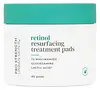
This smoothing exfoliating pad uses a pre-saturated pad with Niacinamide and Retinol to refine skin texture and fade the look of dark spots.
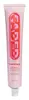
This brightening serum is formulated around Niacinamide and Tranexamic Acid to fade the look of dark spots and brighten dull-looking skin.

What's inside
What's inside
 Key Ingredients
Benefits
Concerns
Ingredients Side-by-side
Water
Skin ConditioningPolysorbate 20
Emulsifying

Ethoxydiglycol
HumectantNiacinamide
Smoothing











Retinol
Skin Conditioning

Camellia Sinensis Leaf Extract
Antimicrobial

Bambusa Vulgaris Leaf/Stem Extract
HumectantPisum Sativum Extract
Skin ConditioningGlucosamine Hcl
Ascorbic Acid
Antioxidant
Azelaic Acid
Buffering
Kojic Acid
Antioxidant
Arbutin
Antioxidant
Glutathione
Dipotassium Glycyrrhizate
Humectant
Lactic Acid
Buffering

Tetrasodium Glutamate Diacetate
ChelatingSodium Benzoate
Masking
Phenoxyethanol
Preservative
Ethylhexylglycerin
Skin ConditioningWater, Polysorbate 20, Ethoxydiglycol, Niacinamide, Retinol, Camellia Sinensis Leaf Extract, Bambusa Vulgaris Leaf/Stem Extract, Pisum Sativum Extract, Glucosamine Hcl, Ascorbic Acid, Azelaic Acid, Kojic Acid, Arbutin, Glutathione, Dipotassium Glycyrrhizate, Lactic Acid, Tetrasodium Glutamate Diacetate, Sodium Benzoate, Phenoxyethanol, Ethylhexylglycerin
Water
Skin ConditioningCaprylic/Capric Triglyceride
Masking
Glycerin
Humectant
Niacinamide
Smoothing
Butyrospermum Parkii Butter
Skin Conditioning

Tranexamic Acid
Astringent
Glyceryl Stearate
Emollient
Arbutin
Antioxidant
Simmondsia Chinensis Seed Oil
Emollient
Behenyl Alcohol
Emollient
Glyceryl Behenate
Emollient
Kojic Acid
Antioxidant
Oxidized Glutathione
EmollientPhenoxyethanol
Preservative
Ceteareth-20
Cleansing
Lecithin
Emollient
Sclerotium Gum
Emulsion StabilisingZinc Ricinoleate
Arginine Hcl
Skin ConditioningAzelaic Acid
Buffering
Squalane
Emollient
Ceteareth-12
EmulsifyingCetearyl Alcohol
Emollient
Cetyl Palmitate
Emollient
Tetrahydroxypropyl Ethylenediamine
ChelatingCurcuma Longa Root Extract
Antioxidant
Sodium Lauroyl Sarcosinate
CleansingTrisodium Ethylenediamine Disuccinate
ChelatingPhytic Acid
Chelating
Allantoin
Skin Conditioning
Dimethylmethoxy Chromanyl Palmitate
Skin Conditioning
Ethylhexylglycerin
Skin ConditioningCentella Asiatica Leaf Extract
Skin Conditioning
Melatonin
Antioxidant
Glycyrrhiza Glabra Root Extract
Bleaching
Water, Caprylic/Capric Triglyceride, Glycerin, Niacinamide, Butyrospermum Parkii Butter, Tranexamic Acid, Glyceryl Stearate, Arbutin, Simmondsia Chinensis Seed Oil, Behenyl Alcohol, Glyceryl Behenate, Kojic Acid, Oxidized Glutathione, Phenoxyethanol, Ceteareth-20, Lecithin, Sclerotium Gum, Zinc Ricinoleate, Arginine Hcl, Azelaic Acid, Squalane, Ceteareth-12, Cetearyl Alcohol, Cetyl Palmitate, Tetrahydroxypropyl Ethylenediamine, Curcuma Longa Root Extract, Sodium Lauroyl Sarcosinate, Trisodium Ethylenediamine Disuccinate, Phytic Acid, Allantoin, Dimethylmethoxy Chromanyl Palmitate, Ethylhexylglycerin, Centella Asiatica Leaf Extract, Melatonin, Glycyrrhiza Glabra Root Extract
Reviews
Alternatives
Ingredients Explained
These ingredients are found in both products.
Ingredients higher up in an ingredient list are typically present in a larger amount.
Arbutin is a naturally occurring molecule (found in bearberry, cranberry, and blueberry) that is used in skincare as a gentle brightening agent to fade dark spots, melasma, and post-inflammatory hyperpigmentation.
Chemically, it is a sugar-bound form of hydroquinone.
It works mainly by inhibiting tyrosinase, the enzyme your skin uses to make melanin. This means less new pigment gets produced over time.
There are two forms you'll see on labels: beta-arbutin (listed as just "Arbutin") and alpha-arbutin (the more stable and effective of the two).
The evidence behind this is solid: it's less cytotoxic to melanocytes than hydroquinone and comparably effective with kojic acid for hyperpigmentation.
One human study using a 10% solution reduced UVR-induced hyperpigmentation by 43.5% (jumping to 63.3% when paired with aloesin).
More recent clinical work backs it up too; a 2025 study on a 5% alpha-arbutin + 2% kojic acid cream found it comparable to triple combination prescription formulas but with lower recurrence for melasma.
Typical usage in cosmetics serums land in the 1-2% range.
It's a well-tolerated, non-irritating, and non-photoreactive ingredient that also gives some antioxidant benefits too.
Learn more about ArbutinAzelaic acid is a multitasker ingredient that helps treat acne, pigmentation, and irritation. It is a great option for sensitive skin.
What makes it special?
OTC Azelaic acid is usually available in concentrations from 10-15% and anything over requires a prescription.
Here's what each tier does best:
Unlike other acids, azelaic acid will not make your skin more photosensitive/sun sensitive.
Though this ingredient is naturally occurring in grains like wheat, rye, and barley, it is usually synthetically created for cosmetics to ensure stability and effectiveness.
Learn more about Azelaic AcidEthylhexylglycerin is created from glycerin. It is a multitasker ingredient that:
The CIR Expert Panel found minimal skin absorption or sensitization of any kind in a safety assessment. Though this ingredient is considered well-tolerated, a small number of cases of allergic dermatitis have been published since 2002. Just be sure to patch test if you are unsure.
Industry-reported use ranges from 8% in rinse-off products and 2% in leave-on formulations.
Learn more about EthylhexylglycerinKojic Acid is a naturally occurring organic acid that is produced during the fermentation of certain fungi. It is one of the most well-studied brightening ingredients (tyrosinase inhibitors) out there.
That's why you'll see Kojic Acid in products that target dark spots, hyperpigmentation, and general uneven skin tone. It also pairs well with other brightening actives like Alpha Arbutin, Glycolic Acid, and Vitamin C derivatives.
By latching onto the copper that the enzyme tyrosinase needs to function, Kojic Acid prevents less pigment from being made. It's so well-established that researchers regularly use it as the go-to benchmark when testing new brightening ingredients.
Some other perks include documented antioxidant and antimicrobial properties. The The CIR (Cosmetic Ingredient Review) Expert Panel concluded Kojic Acid is safe for use in cosmetic products at concentrations up to 1% and the EU's SCCS (Scientific Committee on Consumer Safety) considers it safe as a skin lightening agent at concentrations up to 0.7%.
One thing to know about Kojic Acid is that stability is its weak spot; it is sensitive to light, heat, and air exposure and will oxidize/turn brown in formulations. Its derivative, Kojic Dipalmitate, was developed as a stable alternative.
Some individuals have reported contact sensitization so be sure to patch test if you have reactive or sensitive skin.
Fun fact: It was first discovered in 1907 and naturally occurs in the production of sake, soy sauce, and miso.
Learn more about Kojic AcidNiacinamide is a multitasking form of vitamin B3 that strengthens the skin barrier, reduces pores and dark spots, regulates oil, and improves signs of aging.
And the best part? It's gentle and well-tolerated by most skin types, including sensitive and reactive skin.
You might have heard of "niacin flush", or the reddening of skin that causes itchiness. Niacinamide has not been found to cause this.
In very rare cases, some individuals may not be able to tolerate niacinamide at all or experience an allergic reaction to it.
If you are experiencing flaking, irritation, and dryness with this ingredient, be sure to double check all your products as this ingredient can be found in all categories of skincare.
When incorporating niacinamide into your routine, look out for concentration amounts. Typically, 5% niacinamide provides benefits such as fading dark spots. However, if you have sensitive skin, it is better to begin with a smaller concentration.
When you apply niacinamide to your skin, your body converts it into nicotinamide adenine dinucleotide (NAD). NAD is an essential coenzyme that is already found in your cells as "fuel" and powers countless biological processes.
In your skin, NAD helps repair cell damage, produce new healthy cells, support collagen production, strengthen the skin barrier, and fight environmental stressors (like UV and pollution).
Our natural NAD levels start to decline with age, leading to slower skin repair, visible aging, and a weaker skin barrier. By providing your skin niacinamide, you're recharging your skin's NAD levels. This leads to stronger, healthier, and younger looking skin.
Another name for vitamin B3 is nicotinamide. This vitamin is water-soluble and our bodies don't store it. We obtain Vitamin B3 from either food or skincare. Meat, fish, wheat, yeast, and leafy greens contain vitamin B3.
The type of niacinamide used in skincare is synthetically created.
Learn more about NiacinamidePhenoxyethanol is one of the most widely used preservatives in skincare (and for good reason!).
It has a large spectrum of antimicrobial activity and especially effective bacteria, yeast, and mold while only having a weak effect on your skin's natural microbiome.
On a cellular level, it disrupts the cell membranes of microbes by poking holes that make the cell leak. This shuts down the chemical reactions the microbe needs to make energy so it can no longer survive.
Another perk of this ingredient is that it stays functional across a wide pH range (3-10).
You'll often see it paired with boosters like Ethylhexylglycerin; one study showed that a 1:9 ratio of Ethylhexylglycerin to Phenoxyethanol damages bacterial membranes as effectively as doubling the Phenoxyethanol concentration on its own.
Typical use concentrations range from 0.3-1% depending on the formula, and this ingredient is capped at 1% int the EU.
Safety-wise, the fear mongering does not hold up to the evidence. The EU's Scientific Committee on Consumer Safety and FDA consider it safe as a preservative at up to 1%, including for children of all ages.
Adverse systemic effects only showed up in animal studies at exposures roughly 200x higher than what people get from cosmetics. And despite its very widespread use, this ingredient is a rare sensitizer and allergic reactions are uncommon.
Learn more about PhenoxyethanolWater. It's the most common cosmetic ingredient of all. You'll usually see it at the top of ingredient lists, meaning that it makes up the largest part of the product.
So why is it so popular? Water most often acts as a solvent - this means that it helps dissolve other ingredients into the formulation.
You'll also recognize water as that liquid we all need to stay alive. If you see this, drink a glass of water. Remember to stay hydrated!
Learn more about Water

